Your cart is currently empty!
Application: Grease Lubricants
-
The Science Behind Grease Lubricants: Choosing the Right One for Machinery Performance
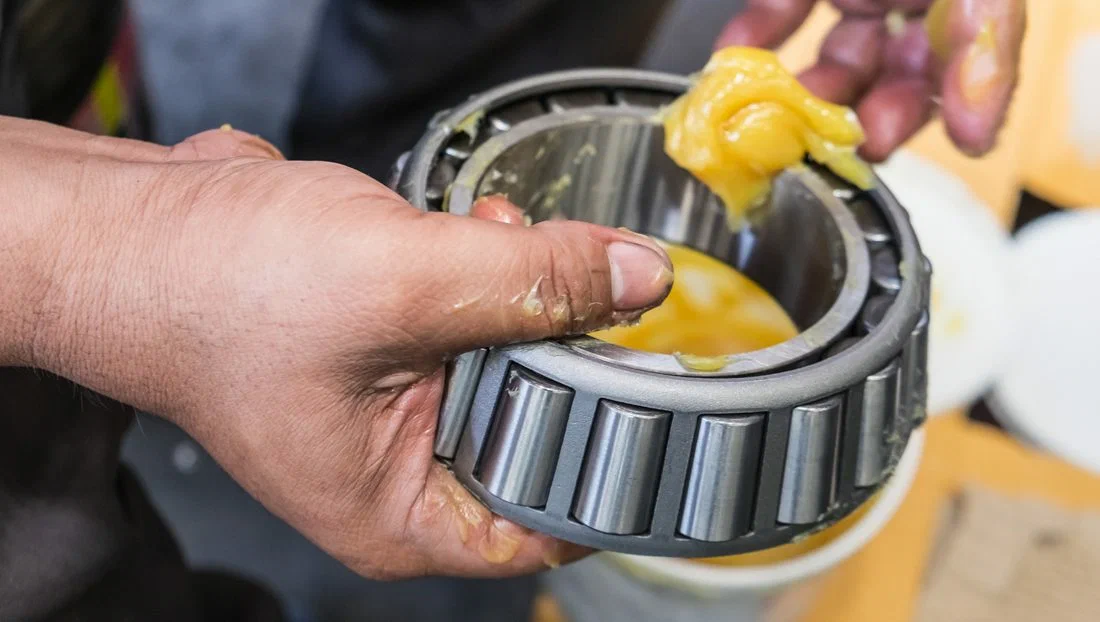
Grease lubricants form the backbone of reliable machinery maintenance by reducing friction, minimizing wear, and sealing out contaminants. Understanding the science behind grease, from base oil selection to thickener chemistry, empowers maintenance teams to choose optimal grease lubricants for diverse operating conditions. In this post, we’ll explore key factors—temperature tolerance, load-carrying capacity, and water resistance—to guide you toward the perfect grease solution for peak machinery performance.
How Grease Lubricants Work?
Effective grease lubrication hinges on three core components: base oil, thickener, and additives.
- Base Oil: Provides the primary film that separates moving parts; options include mineral, synthetic, and biodegradable esters, each offering distinct viscosity and thermal properties.
- Thickener: Functions like a sponge to hold oil in place; common thickeners are lithium soap, calcium soap, aluminum complex, and polyurea, influencing water resistance and dropping point.
- Additives: Enhance performance by providing oxidation inhibitors, antiwear agents, extreme pressure (EP) modifiers, and corrosion protection.
The synergy of these elements results in semisolid greases that remain stationary under shear, deliver continuous lubrication, and act as effective barriers against dust and moisture.
Types of Grease Lubricants
-
Lithium Grease
Widely used for its versatility, lithium grease offers excellent temperature tolerance (–20°C to 120°C), good mechanical stability, and water resistance, making it suitable for automotive and general industrial applications.
-
Calcium Grease
Renowned for superior water resistance, calcium grease is ideal for marine and agricultural machinery. However, its lower dropping point (~80°C) limits high-temperature use.
-
Aluminum Complex Grease
Engineered for extreme heat (up to 260°C), aluminum complex greases maintain structural integrity at elevated temperatures and resist oxidation, making them perfect for engine compartments and exhaust systems.
-
Polyurea Grease
With high-temperature stability and excellent shear resistance, polyurea greases serve precision bearings and electric motors, delivering long relubrication intervals and minimal maintenance.
-
Synthetic Grease
Synthetic greases, based on polyalphaolefin or alkylated naphthalene, excel in wide temperature ranges (–50°C to 150°C) and offer superior oxidation resistance for aerospace, food processing, and high-performance industries.
Selecting the Right Grease for Your Needs
When choosing a grease lubricant, consider:
- Operating Temperature: Select grease with a dropping point 20–30°C above your maximum operating temperature to prevent bleeding and breakdown.
- Load and Speed: For heavy loads and slow speeds, EP and solid additives (MoS₂, graphite) bolster film strength; high-speed applications benefit from low-viscosity synthetics .
- Water Exposure: Marine or washdown environments demand water-resistant thickeners like calcium sulfonate or complex soaps.
- Compatibility: Avoid mixing incompatible greases (e.g., calcium with lithium complex) to prevent structural breakdown and performance loss.
Maintenance Best Practices
- Proper Dispensing: Use clean grease guns and closed systems to prevent contamination.
- Relubrication Intervals: Follow OEM recommendations; over- or under-greasing can lead to premature bearing failure.
- Condition Monitoring: Regularly inspect for grease degradation signs—hardening, oil separation, or contamination—and replace if needed.
Conclusion
Choosing the right grease lubricants is a science of balancing base oil properties, thickener chemistry, and additive performance against specific operating demands. Whether you need water-resistant calcium grease or high-temperature aluminum complex variants, understanding these factors ensures peak machinery performance, reduced downtime, and extended equipment life. Elevate your maintenance strategy by selecting premium greases tailored to your needs—your machines will run smoother, longer.
Bearing World is your trusted partner for sourcing premium grease lubricants tailored to every industrial and automotive need. Simply explore our comprehensive E-catalog to find the perfect grease match, or visit our Contact page with our expert team via phone, email, or WhatsApp.
Subscribe for more expert insights on machinery lubrication and maintenance.
Q: How often should I apply grease lubricants to heavy machinery?
A: Typically, heavy-duty equipment requires relubrication every 500–1,000 operating hours but always follow OEM guidelines and monitors for grease viscosity changes.
Q: What is the best grease for high-temperature applications?
A: Aluminum complex and synthetic thickeners withstand temperatures from 200°C to 260°C, making them ideal for extreme heat environments.
Q: Can I mix different grease lubricants?
A: Mixing greases with incompatible thickeners (e.g., calcium and lithium complex) can cause separation and loss of performance; always use the same grease type for relubrication.
Q: Which grease offers the best water resistance?
A: Calcium sulfonate-based greases provide exceptional water washout resistance and corrosion protection in wet environments.
Q: Are synthetic base oils better than mineral oils in grease?
A: Synthetic base oils deliver broader temperature ranges, improved oxidation stability, and enhanced film strength compared to mineral oils, especially under extreme conditions.
Q: How do I choose the right grease for food processing equipment?
A: Select FDA-approved, food-grade synthetic thickeners that resist washout and offer high oxidative stability for hygiene compliance.
Q: What role do EP additives play in grease performance?
A: EP additives like zinc dialkyl–dithiophosphate form protective films under high loads, reducing metal-to-metal contact and wear.
Q: How important is grease compatibility when switching grease?
A: Incompatible greases can lead to thickener clash, resulting in grease softening, oil separation, or hardening, which compromises lubrication.
Q: Can grease lubricants prevent equipment corrosion?
A: Yes, corrosion inhibitors in grease form protective barriers on metal surfaces, blocking moisture and corrosive agents.
Q: What factors affect grease service life?
A: Service life depends on operating temperature, load, contamination, and additive depletion; regular monitoring ensures optimal performance and timely reapplication.
-
7 Tips to Choose the Right Grease Lubricant
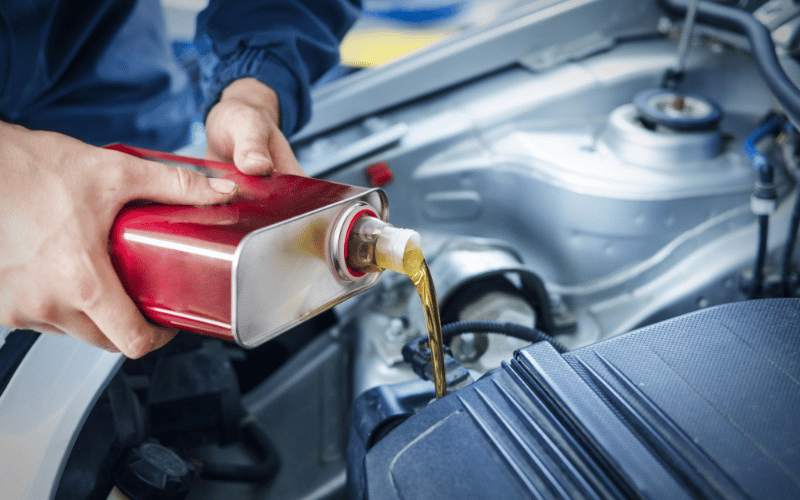
Are your machines facing premature wear and tear? The culprit might be the wrong grease lubricant. Selecting the correct grease is crucial for optimal performance and longevity. This blog post provides seven expert tips to help you choose the best grease lubricant for your specific needs. Let us guide you to selecting the right grease.
1. Understand the Application Requirements
The first step is understanding what the grease lubricant needs to do. Consider the specific conditions the grease will face. Different applications place different demands on the lubricant.
- Temperature: High or low temperatures significantly impact grease performance. High heat can cause it to break down. Extreme cold can make it stiff and ineffective.
- Speed: Fast moving parts require grease that can withstand centrifugal forces. Slow-moving parts may need grease with enhanced adhesive properties.
- Load: Heavy loads demand grease with high load-carrying capacity. This prevents metal-to-metal contact and wear.
- Environment: Exposure to water, chemicals, or dust requires special grease. These greases provide protection against contamination and corrosion.
For example, a high-speed electric motor bearing will require a different grease than a slow-moving construction equipment joint. Understanding these application specifics is key.
2. Consider the Grease Base Oil Viscosity
Base oil viscosity is a critical factor in grease lubricant selection. Viscosity refers to the grease’s resistance to flow.
• Higher viscosity: Better for heavy loads and slower speeds. It provides a thicker film between surfaces.
• Lower viscosity: Ideal for high-speed applications and low temperatures. It reduces friction and heat generation.
Choosing the correct viscosity ensures proper lubrication. Consider the operating temperature. Viscosity decreases as temperature increases. Select a base oil viscosity appropriate for the expected operating conditions.
3. Choose the Right Thickener Type
The thickener is another crucial component. It holds the base oil and additives in a semi-solid state. Different thickener types offer unique properties.
- Lithium: Most common type. Offers good overall performance and water resistance.
- Lithium Complex: Provides higher temperature resistance and improved water resistance compared to lithium.
- Calcium Sulfonate: Excellent water resistance, high load-carrying capacity, and rust protection. Good for marine applications.
- Polyurea: Offers exceptional high-temperature performance and long life. Often used in sealed-for-life bearings.
The thickener type significantly influences grease performance. Choose the one best suited for the application demands.
4. Evaluate the Additives
Additives enhance the grease lubricant‘s properties. They provide specific benefits.
- Extreme Pressure (EP) additives: Prevent wear under heavy loads and high speeds.
- Anti-wear additives: Reduce friction and wear in boundary lubrication conditions.
- Rust and Corrosion Inhibitors: Protect metal surfaces from rust and corrosion.
- Oxidation Inhibitors: Extend grease life by preventing oxidation and degradation.
Consider the specific needs of the application. Select grease with the appropriate additives to enhance performance and protection.
5. Check Grease Compatibility
Mixing different types of grease can lead to problems. Incompatibility can cause:
- Grease softening or hardening
- Reduced lubrication effectiveness
- Equipment damage
Always check grease compatibility before switching brands or types. Consult a grease compatibility chart or the manufacturer’s recommendations. When in doubt, completely remove the old grease before applying the new one.
6. Consider the Operating Temperature Range
The operating temperature range is vital. It indicates the temperatures the grease can effectively function within.
- Low-temperature limit: Below this temperature, the grease becomes too stiff. It may not flow properly.
- High-temperature limit: Above this temperature, the grease can break down. It can lose its lubricating properties.
Select a grease whose temperature range aligns with the application’s operating conditions. This ensures optimal performance and prevents premature failure.
7. Consult with Bearing World Experts
Choosing the right grease lubricant can be complex. Bearing World experts can assist you. They understand various applications and grease properties.
- Application analysis: They can analyze your specific needs and recommend suitable greases.
- Product selection: Bearing World provides a wide range of high-quality grease lubricants. They can help you find the perfect match.
- Technical support: They offer technical support to answer your questions and address any concerns.
Do not hesitate to seek professional help. Contact Bearing World for expert advice.
Choosing the right grease lubricant is essential for optimal equipment performance and longevity. By considering these seven tips, you can make an informed decision. Proper grease selection prevents wear, reduces downtime, and saves money. For all your bearing and lubrication needs, turn to the experts at Bearing World.
Ready to optimize your equipment’s performance? Contact Bearing World today for expert guidance on choosing the right grease lubricant. Visit our website or call us for a consultation.
Q: What is grease lubricant made of?
A: Grease lubricant typically consists of a base oil, a thickener, and additives. The base oil provides lubrication, the thickener provides structure, and the additives enhance specific properties.Q: How often should I relubricate my bearings with grease?
A: Relubrication frequency depends on the application, operating conditions, and grease type. Consult the equipment manufacturer’s recommendations or a lubrication specialist.Q: Can I mix different types of grease lubricant?
A: Mixing different types of grease can cause incompatibility issues. It can degrade performance. It is best to avoid mixing greases unless compatibility is verified.Q: What is synthetic grease lubricant?
A: Synthetic grease uses synthetic base oils instead of mineral oils. It provides better high-temperature performance, low-temperature performance, and longer service life.Q: How do I know if I am using the wrong grease lubricant?
A: Signs of using the wrong grease include excessive wear, overheating, leakage, and unusual noise. Regularly inspect your equipment and grease condition.Q: Where can I find grease compatibility charts?
A: Grease compatibility charts are often available from grease manufacturers or lubrication suppliers. Search online or contact Bearing World for assistance.Q: What is the difference between grease and oil lubricant?
A: Grease is a semi-solid lubricant. Oil is a liquid lubricant. Grease is better for applications requiring long-term lubrication. It can also prevent contamination.Q: How should I store grease lubricant?
A: Store grease in a cool, dry place. Keep containers tightly sealed to prevent contamination.