Your cart is currently empty!
Application: Automotive
-
Roller Ball Bearing Versus Angular Contact Bearing: Which is the Best?
Are you choosing a bearing for your next project? Do you need it to handle heavy loads or operate at high speeds? Maybe you are unsure which type suits your needs best. This article breaks down roller ball bearings and angular contact bearings. We will help you decide which is the right fit.
We cover the differences, advantages, and disadvantages of each. We will also help you make an informed decision for optimal performance.
Understanding Roller Ball Bearings
Roller ball bearings are common in many applications. They are known for their versatility and efficiency.
What is a Roller Ball Bearing?
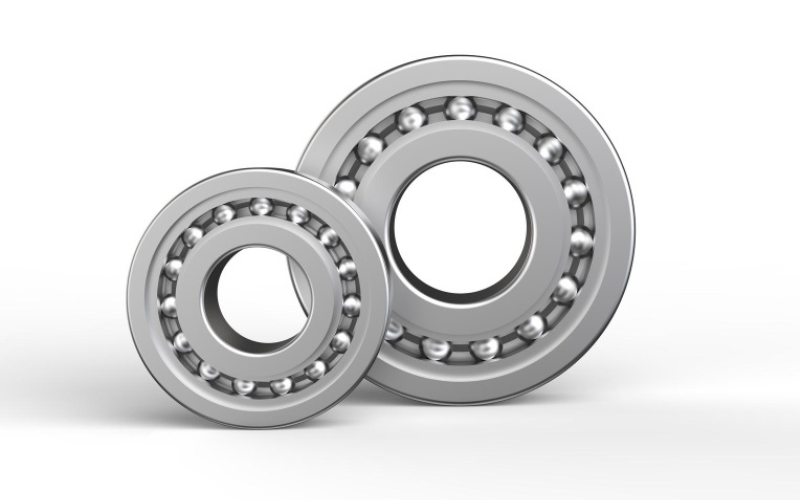
A roller ball bearing uses balls between the inner and outer rings. These balls reduce friction and allow smooth rotation. This design makes them efficient for radial loads which are usually the forces applied perpendicular to the shaft.
Advantages of Roller Ball Bearings
- Low Friction: Balls minimize contact area and reduces friction. The result is smoother operation and less heat generation.
- High Speed: Roller ball bearings handle higher speeds. They generate less heat than other bearing types.
- Versatility: These bearings work in many applications. They are used in motors, pumps, and gearboxes.
- Cost-Effective: Roller ball bearings are often affordable and makes a good choice for general use.
Disadvantages of Roller Ball Bearings
- Lower Load Capacity: Compared to other bearings, they handle less load. They are not ideal for heavy-duty applications.
- Susceptible to Misalignment: They are sensitive to misalignment as it can cause premature wear and failure.
Exploring Angular Contact Bearings
Angular contact bearings are designed for specific performance needs. They excel in applications that require handling combined loads.
What is an Angular Contact Bearing?
Angular contact bearings have raceways which are angled to support both radial and axial loads. Axial loads are forces parallel to the shaft. This design makes them suitable for applications which involve thrust loads and high speeds.
Advantages of Angular Contact Bearings
- High Load Capacity: They can handle significant axial loads and are ideal for applications with thrust forces.
- Combined Load Handling: Angular contact bearings manage both radial and axial loads well.
- High Speed Capability: They are designed to perform at high speeds. Some designs allow for even greater speeds.
- Precision: These bearings offer high precision and are suitable for applications requiring accuracy.
Disadvantages of Angular Contact Bearings
- Higher Cost: Angular contact bearings are usually more expensive due to their complex design.
- Require Preload: They often need preload which is an axial force applied during installation. This force ensures proper operation.
- More Complex Installation: Installation can be more complex as it requires careful adjustment to achieve optimal performance.
Key Differences: Roller Ball Bearing vs. Angular Contact Bearing
Here is a table to highlight the key distinctions:
Feature Roller Ball Bearing Angular Contact Bearing Load Capacity Lower Higher Load Type Primarily Radial Radial and Axial Speed Capability High High, Specialized Designs Higher Cost Lower Higher Complexity Simpler More Complex Preload Requirement No Yes, Often Misalignment Sensitivity High Lower Application Examples
Roller Ball Bearings:
- Electric Motors: General purpose motors often use ball bearings. They provide efficient and smooth operation.
- Pumps: Small to medium-sized pumps benefit from the versatility and low friction of these bearings.
- Conveyor Systems: They support rollers in light to medium-duty conveyor systems.
Angular Contact Bearings:
- Machine Tool Spindles: High-speed spindles in CNC machines use angular contact bearings as they offer precision and rigidity.
- Gearboxes: Transmissions and gearboxes need to handle combined loads which the angular contact bearings provide effortlessly.
- Automotive Wheel Bearings: Some vehicle wheel bearings use angular contact designs. They manage both radial and thrust loads from cornering.
Real-World Example:
Consider a packaging company looking to upgrade its conveyor system. One of the top supply chain trends is lowering packaging costs. This improvement can also impact bearing choices. If the conveyor handles light loads, roller ball bearings are adequate and cost-effective. However, if the conveyor system deals with heavy or uneven loads, angular contact bearings are a better choice. They offer superior load handling and durability. This selection optimizes the system’s performance and minimizes downtime.
How to Choose the Right Bearing
Selecting the right bearing requires careful consideration. Consider these factors:
- Load Requirements: Determine the magnitude and direction of the loads. Are they primarily radial, axial, or a combination?
- Speed Requirements: Identify the operating speed of the application. Choose a bearing that can handle the speed without overheating.
- Operating Environment: Consider temperature, contamination, and lubrication requirements. Select a bearing that withstands these conditions.
- Precision Requirements: If the application demands high precision, opt for an angular contact bearing as it offers better accuracy.
- Budget: Balance performance needs with cost constraints. Roller ball bearings are economical. Angular contact bearings offer superior performance at a higher price.
Maximizing Bearing Life and Performance
Proper maintenance ensures long-lasting performance:
- Lubrication: Use the correct lubricant. Follow the manufacturer’s recommendations for lubrication intervals.
- Installation: Install bearings correctly. Avoid misalignment and excessive preload.
- Inspection: Regularly inspect bearings for wear, damage, and contamination. Replace as needed.
- Sealing: Use appropriate seals to protect bearings from contaminants.
Conclusion
Choosing between roller ball bearings and angular contact bearings is about matching the bearing to the application. Roller ball bearings are versatile and cost-effective for primarily radial loads and high speeds. Angular contact bearings excel in handling combined loads. They are great when precision is important. Understand the application requirements. Then you can make the best choice. Your choice will ensure optimal performance and longevity.
Need assistance selecting the right bearing for your specific needs? Contact Bearing World in Saudi Arabia today. Our experts can help you find the perfect solution. Improve your machinery’s performance and reliability.
Q: What is the main difference between roller ball bearings and angular contact bearings?
A: Roller ball bearings are designed for primarily radial loads. Angular contact bearings handle both radial and axial loads.Q: When should I use an angular contact bearing?
A: Use angular contact bearings when the application involves significant thrust loads. They are also good when precision and high-speed performance are needed.Q: Are angular contact bearings more expensive than roller ball bearings?
A: Yes, angular contact bearings are generally more expensive due to their complex design and higher load capacity.Q: Can roller ball bearings handle axial loads?
A: Roller ball bearings can handle some axial loads. However, they are not designed for heavy axial loads. Angular contact bearings are better suited for this.Q: Do angular contact bearings require preload?
A: Yes, angular contact bearings often require preload. Preload ensures proper operation and prevents slippage under load.Q: What are some common applications for roller ball bearings?
A: Common applications include electric motors, pumps, conveyor systems, and general machinery.Q: How do I maintain roller ball bearings and angular contact bearings?
A: Proper maintenance includes regular lubrication, correct installation, and periodic inspection for wear and damage.Q: What happens if I choose the wrong type of bearing?
A: Choosing the wrong bearing can lead to premature failure. You may also see reduced performance, increased downtime, and higher maintenance costs.Q: Where can I buy high-quality roller ball bearings and angular contact bearings?
A: You can purchase high-quality bearings from reputable suppliers like Bearing World in Saudi Arabia.Q: How do I know what size bearing I need?
A: Determine the required bore size, outer diameter, and width based on the application’s specifications. Consult bearing catalogs or engineering experts for assistance. -
Roller Ball Bearing: What Are They Used For?
Ever wondered how heavy machines move so smoothly? Roller ball bearings might be the answer! They are small parts with a big job. This article will explain what roller ball bearings are and what they do. We will look at their uses in Saudi Arabia and around the world.
What is a Roller Ball Bearing?
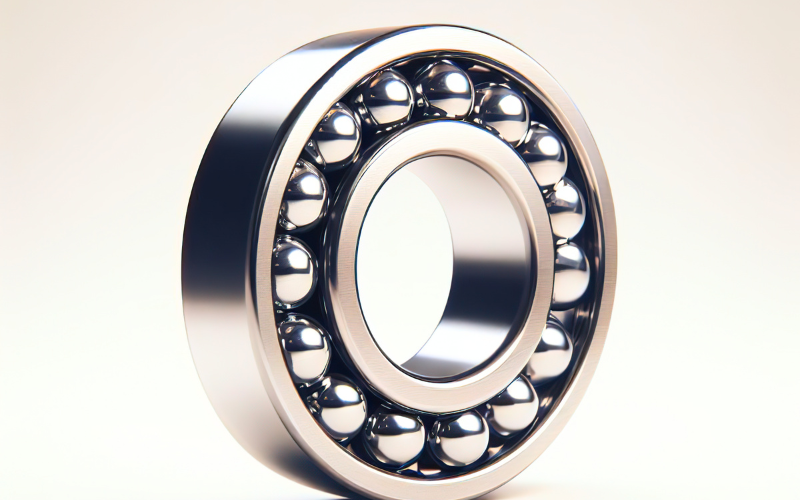
A roller ball bearing is a type of bearing. Bearings are parts that let things move easily. Roller ball bearings use balls to reduce friction. Friction is what makes things slow down when they rub together. The balls roll between two rings. This rolling action makes movement easier.
How Do Roller Ball Bearings Work?
Imagine pushing a heavy box. It’s hard because of friction. Now, put round balls under the box. It becomes much easier to push. Roller ball bearings do the same thing. The balls inside the bearing roll, making it easier for parts to rotate or move.
Why Are Roller Ball Bearings Important?
Roller ball bearing are crucial for many reasons:
- Reduce Friction: They minimize friction, making machines more efficient.
- Increase Speed: Machines can operate at higher speeds.
- Carry Loads: They can support heavy weights and forces.
- Improve Efficiency: Less energy is lost to friction.
- Extend Lifespan: They protect machine parts from wear and tear.
Types of Roller Ball Bearings
There are many types of roller ball bearing. Each type is made for specific uses. Here are some common types
- Deep Groove Ball Bearing: These are the most common. They handle radial and axial loads.
- Angular Contact Ball Bearing: These handle heavy axial loads. They are often used in pairs.
- Self-Aligning Ball Bearing: These can handle misalignment. They are good for machines that vibrate.
- Thrust Ball Bearing: These handle axial loads only. They are used in low-speed applications.
Where Are Roller Ball Bearings Used?
Roller ball bearing are used in many things. Here are some common examples:
- Cars: They are in wheels, engines, and transmissions.
- Bicycles: They are in wheels and pedals.
- Electric Motors: They support the rotating shaft.
- Pumps: They allow smooth rotation of pump parts.
- Hard Drives: They allow the platters to spin.
- Industrial Machinery: They are in conveyor belts and other equipment.
- Aerospace: Precision roller ball bearings are used in aircraft.
- Medical Equipment: They are in devices requiring smooth motion.
Roller Ball Bearings in the Saudi Arabia Region
The bearing industry in Saudi Arabia is growing. Here are some facts:
- Oil and Gas: The oil and gas industry use many roller ball bearing. They are in pumps, compressors, and drilling equipment.
- Manufacturing: Saudi Arabia is increasing its manufacturing sector. This increases the need for roller ball bearing
- Construction: The construction industry needs bearings for heavy machinery.
- Imports: Saudi Arabia imports many bearings. This shows the demand for these parts.
- Local Production: Some companies are starting to make bearings locally, supporting the economy.
- Saudi Vision 2030: This plan supports industrial growth. It will likely increase the use of roller ball bearing.
Example: The Saudi Arabian Oil Company (Saudi Aramco) uses countless roller ball bearing in its operations. They are vital for the efficient operation of their massive infrastructure
Fact: According to a report by “Mordor Intelligence,” the Saudi Arabian bearings market is projected to grow significantly in the coming years. This growth is driven by the increasing industrialization and infrastructure development in the region
Choosing the Right Roller Ball Bearing
Choosing the right bearing is important. Here are some things to consider:
- Load: How much weight will the bearing carry?
- Speed: How fast will the bearing rotate?
- Temperature: What is the operating temperature?
- Environment: Will the bearing be exposed to dirt or water?
- Size: What size bearing is needed?
- Type: Which type of bearing is best for the job?
Consult with a bearing expert if you are not sure.
Maintaining Roller Ball Bearings
Proper maintenance is essential. It will extend the life of your bearings. Here are some tips:
- Lubrication: Keep bearings lubricated with the right type of lubricant.
- Cleaning: Keep bearings clean. Remove dirt and debris.
- Inspection: Check bearings regularly for wear and tear.
- Replacement: Replace worn bearings promptly.
Advantages and Disadvantages
Advantages:
- Low friction.
- High-speed capability.
- Wide availability.
- Relatively low cost.
Disadvantages:
- Lower load capacity than roller bearings.
- Can be noisy at high speeds.
- Susceptible to damage from contamination.
Conclusion
Roller ball bearings are essential parts. They make machines move smoothly and efficiently. They are used in many industries. From cars to oil rigs, they play a vital role. Understanding how they work can help you choose the right one for your needs. If you require roller ball bearing for any application, make sure you research the proper type of bearing for your application.
Do you want to purchase roller ball bearings? Contact us today!
FAQs About Roller Ball Bearings
-
- What is the main purpose of a roller ball bearing?
It reduces friction and allows smooth movement between parts. - What are the main parts of a roller ball bearing?
The inner ring, outer ring, balls, and cage. - How often should roller ball bearings be lubricated?
It depends on the application. Refer to the manufacturer’s instructions. - What happens if a roller ball bearing fails?
It can cause machine failure, noise, and vibration. - Can roller ball bearings be repaired?
Generally, they are replaced rather than repaired. - What is the difference between a ball bearing and a roller er bearing?
Ball bearing use balls, while roller er bearing use roller ers to reduce friction. - Are roller ball bearing used in high-temperature applications?
Yes, but special high-temperature bearings are needed. - 8. How do I choose the right size roller ball bearing?
Consider the load, speed, and space requirements. - 9. Where can I buy roller ball bearing in Saudi Arabia?
They can be purchased from industrial supply stores and bearing distributors. - 10. What are some common causes of roller ball bearing failure?
Lack of lubrication, contamination, and overloading are common causes.
- What is the main purpose of a roller ball bearing?
-
What are Bearings Made Up Of? Classifying Bearings by Function
Do you know what keeps machines running smoothly? It’s often a small part: the bearing. Bearings are vital. They reduce friction and allow motion. This post explains what bearings are made of. This blog will classify bearings by their application.
What are Bearings?
Bearings are mechanical parts. They reduce friction between moving parts. They allow smooth, efficient motion. They support loads and enable rotation. They are crucial in many machines.
What Materials Make Up a Bearing?
Bearings have several key parts. Each part needs specific materials. These materials offer strength and durability. Here’s a breakdown:
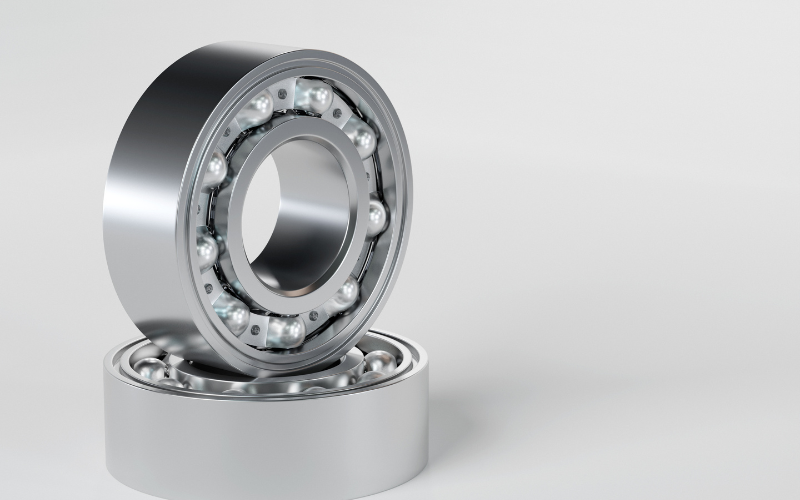
- Bearing Rings (Races): These are the inner and outer rings. They are usually made of high-carbon chrome steel. This steel is strong and resists wear. Saudi Arabia has a growing steel industry. This supports bearing production.
- Rolling Elements: These are the balls or rollers. They sit between the rings. They are also made of high-carbon chrome steel. Some use ceramic for high speeds. Zirconium dioxide is used in some specialty bearings.
- Cage (Retainer): This part separates the rolling elements. It prevents them from colliding. Cages are made from:
- Steel: Common for many bearings.
- Brass: Used for corrosion resistance.
- Nylon: Offers quiet operation.
- Seals and Shields: These protect the bearing from dirt. They also keep lubricant inside. Materials include:
- Rubber: Common and cost-effective.
- Metal: Used for high-temperature bearings.
Bearing material choices depend on the application. Factors include load, speed, and temperature.
Classifying Bearings by Function
Bearings come in many types. We can classify them by how they function. Here are some common types:
-
Ball Bearings
- How they work: They use balls to reduce friction.
- What they are good for: Handling radial and light thrust loads.
- Examples: Angular contact ball bearings & deep groove ball bearings.
- Applications: Used in pumps and electric motors. Common in Saudi Arabian industries.
-
Roller Bearings
- How they work: They use rollers instead of balls.
- What they are good for: Handling heavy radial loads. Some can handle thrust loads.
- Types:
- Cylindrical Roller Bearings: Known for carrying radial loads.
- Tapered Roller Bearings: Used in the automotive sector, handling radial & thrust loads.
- Spherical Roller Bearings: Carry heavier loads & handle misalignment.
- Applications: Gearboxes, heavy machinery. These are critical for Saudi Arabia’s oil and gas industry.
-
Thrust Bearings
- How they work: They support axial loads (thrust).
- What they are applicable: Some applications have load parallel to the shaft which requires thrust bearings.
- Types: Roller thrust bearings & ball thrust bearings.
- Applications: Crane hooks and gearboxes.
-
Plain Bearings (Sleeve Bearings)
- How they work: They use a sliding surface.
- What they are good for: Low-speed, high-load applications.
- Materials: Composite materials, plastic, and bronze.
- Applications: Pivots and hinges.
-
Magnetic Bearings
- How they work: They use magnetic levitation.
- What they are good for: High-speed and low-friction applications.
- Applications: High-speed trains and turbomachinery.
Choosing the Right Bearing
- Load: How much weight will the bearing support?
- Speed: How fast will the bearing rotate?
- Temperature: What is the operating temperature?
- Environment: Will the bearing be exposed to contaminants?
- Misalignment: Can the bearing tolerate misalignment?
Working with a bearing supplier like Bearing World is helpful. They can offer advice based on your needs. Several bearing distributors operate in Saudi Arabia. They provide support to local industries and Bearing World is a renowned name among them.
The Importance of Lubrication
Lubrication is key for bearing life. It reduces friction and wear. Use the correct lubricant for your bearing type. Grease and oil are common lubricants. Regular maintenance extends bearing life.
Examples in Saudi Arabian Industry
- Oil and Gas: Heavy machinery uses roller bearings. These bearings handle demanding loads.
- Manufacturing: Ball bearings are common in electric motors and pumps.
- Construction: Equipment like cranes use thrust bearings. These support heavy axial loads.
- Automotive: Tapered roller bearings are used in vehicle wheel bearings. Saudi Arabia has a growing automotive sector. This increases the demand for bearings.
The Future of Bearings
Bearing technology continues to improve. New materials and designs are emerging. These improvements boost efficiency and longevity. Smart bearings with sensors are also developing. These can monitor condition and predict failures. This is crucial for predictive maintenance.
Conclusion
Bearings are essential components. They enable motion in machines. Knowing what bearings are made of matters. Understanding their classifications is also important. This knowledge helps you choose the right bearing. It ensures efficient and reliable operation. Do you have any questions about bearings? Share your thoughts in the comments! Subscribe to our blog for more insights on bearing.
Q: What is the main function of a bearing? A: A bearing’s primary role is to reduce friction between moving parts, enabling smooth and efficient motion. Q: What are the most common types of bearings? A: Ball bearings and roller bearings are the most widely used types. Q: What material is usually used for bearing rings? A: High-carbon chrome steel is commonly used for its strength and wear resistance. Q: Why is lubrication important for bearings? A: Lubrication minimizes friction and wear, helping to extend the bearing’s lifespan and maintain performance. Q: What are thrust bearings used for? A: Thrust bearings are designed to support axial loads (forces parallel to the shaft). Q: How do I choose the right bearing? A: Consider key factors such as load type, speed, operating temperature, and environmental conditions. Q: What is the role of the cage in a bearing? A: The cage separates and guides the rolling elements, preventing contact and ensuring smooth rotation. Q: Are magnetic bearings suitable for high-speed applications? A: Yes, magnetic bearings are ideal for high-speed operations due to their contact-free design and minimal friction. Q: Where are tapered roller bearings commonly used? A: These bearings are typically found in automotive wheel hubs and similar applications requiring combined load support. Q: What is the difference between a ball bearing and a roller bearing? A: Ball bearings use spherical balls, while roller bearings use cylindrical rollers. Roller bearings generally support heavier loads. -
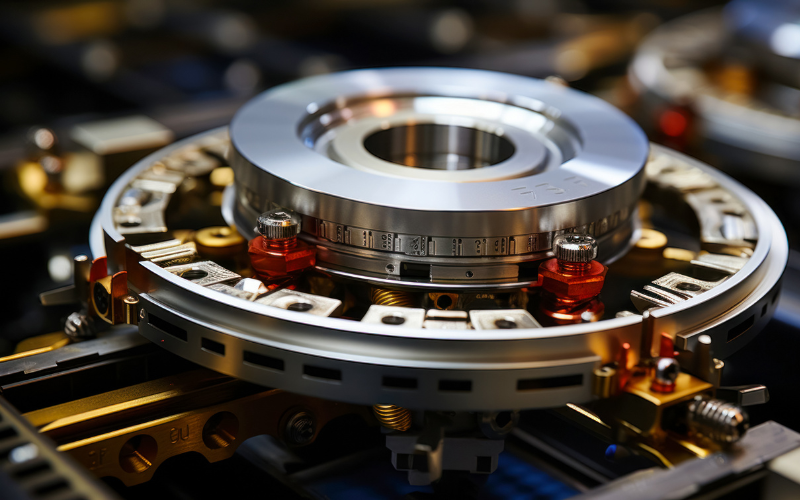
What are Car Bearings: Their Usage & Significance in Automotive Industry
Ever wonder how your car’s wheels spin so smoothly? The secret lies in small, but vital parts called car bearings. They’re found in many places in your vehicle. This post will explain what car bearings are, why they’re important, and how they’re used, especially in Saudi Arabia’s car industry. We’ll cover everything you need to know!
Car Bearing: An Overview
A car bearing is a part that lets your vehicle spin easily. It reduces friction between moving parts. Think of tiny metal balls or rollers inside a ring. These allow wheels and other components to turn smoothly.
Types of Car Bearings
Several types of car bearings exist. Here are some common ones:
- Ball Bearings: Good for supporting radial loads. These are common.
- Roller Bearings: Better for heavy loads. They use rollers instead of balls.
- Tapered Roller Bearings: Handle both radial and thrust loads. Found in wheel hubs.
- Thrust Bearings: Designed for axial loads (loads along the shaft).
Where are Car Bearings Used?
Car bearings are used in many parts of a car.
- Wheel Hubs: Allow the wheels to spin freely.
- Engine: Support the crankshaft and camshaft.
- Transmission: Enable gears to turn.
- Steering System: Help with smooth steering.
- Differentials: Allow wheels to spin at different speeds.
- Air Conditioning Compressors: Assist in smoother operations.
Why are Car Bearings Important?
Car bearings are crucial for several reasons:
- Reduced Friction: This improves fuel efficiency.
- Smooth Operation: This leads to a comfortable ride.
- Support Loads: Bearings support the weight of the vehicle.
- Reliability: They keep the car running smoothly.
- Safety: Worn bearings can cause accidents.
Car Bearings in Saudi Arabia: A Growing Market
Saudi Arabia has witnessed decent growth in the automotive industry. It hints a huge potential for aftermarket parts and rigorous usage of bearing, especially in relation to car manufacturing sector.
- Increase Car Purchases: More and more people are investing money in cars in the Saudi Arabia. This increases the need for car bearings.
- Local Manufacturing: Some companies are starting to manufacture car parts locally. This includes car bearings.
- Hot Climate: The hot weather in Saudi Arabia puts extra stress on car bearings. It is responsible for faster wear and tear of bearings and naturally indicates an increase in demand.
Example: 15% increase in the replacement of cars occurred during the hot summer months in Riyadh.
- Saudi Vision 2030: Saudi Kingdom has planned to diversify economy which is accompanied with the investment in auto manufacturing as well.
- Car Bearings Import: Countries like China, Germany, and Japan export a good amount of car bearings to Saudi Arabia.
Common Car Bearing Problems
Wear & Tear: Over time bearings face decent wear & tear.
- Lubrication Issues: Now or less oiling or greasing protects bearing to perform at full capacity.
- Contamination: Damaged bearings are usually a result of dirt and debris.
- Overloading: Each bearing can hold a specific weight beyond which it may fail to work properly.
- Corrosion: Rust can cause bearings to fail.
- Impact Damage: Road hazards can damage bearings.
How to Tell if a Car Bearing is Bad
Listen for these signs:
- Grinding Noises: A common sign of a bad bearing.
- Unusual Clicking: As you turn on the machinery or engine.
- Wobbly Wheels: Either a loose or damaged bearing causes wobbly wheels.
- Uneven Tire Wear: Bad bearing is responsible for this condition.
- ABS Light On: Sometimes related to wheel bearing issues.
Replacing Car Bearings
Replacing car bearings is best left to professionals. It involves:
- Removing the wheel and brake components.
- Pressing out the old bearing.
- Pressing in the new bearing.
- Reassembling everything.
- Testing the wheel for smooth rotation.
Choosing the Right Car Bearing
- Consider the Vehicle Type: Different cars need different bearings.
- Check the Load Capacity: Choose a bearing that can handle the load.
- Look for Quality: Buy from a reputable brand.
- Follow the Manufacturer’s Recommendations: Use the correct type of bearing.
Tips for Maintaining Car Bearings
- Regular Lubrication: Proper greasing is a must for a car to work properly.
- Refrain from Overloading: Do not overload your vehicle.
- Regular Inspection: Vehicles tend to undergo a lot of wear and tear without your knowledge. Keep inspecting and be aware.
- Timely Replacement: Be proactive in assuring bearings are timely replaced.
Conclusion
Car bearings are small but mighty as these ensure your vehicle is in the best condition to move. are critical for the smooth and safe operation of your car. As Saudi Arabia has a growing automotive market, it is crucial for manufacturing plants to ensure proper upkeep of bearing used. Always consult your service engineer and approach the right dealer for stocking bearing that works.
Call to Action
Have you ever had to replace a car bearing? Share your experience in the comments below! Subscribe to our blog for more tips on car and bearing maintenance.
Frequently Asked Questions (FAQs)
- How long does a car bearing last? A car bearing may support you from 75,000 to 100,000 miles. However, heat and sandy roads in warm countries like Saudi Arabia can shorten this lifespan.
- Can I replace a car bearing myself? No. Always seek professional help.
- What is the cost of replacing a car bearing? The type of car and bearing decides this. Expect to pay between 500-1500 SAR per wheel.
- What happens if a car bearing fails? Accident, as the wheel may get locked up.
- Which grease should be used on car bearings? High-temperature wheel bearing grease should be used.
- Do I need to lubricate my car bearings? The owner’s manual has this mentioned for each vehicle. Usually every 30,000 miles.
- Can I drive with a bad car bearing? It’s not recommended. It’s unsafe.
- Are front and rear wheel bearings the same? Not always. Check your car’s specifications.
- Does tire size affect car bearings? Bigger tires often put more stress on bearings.
- Where can I buy car bearings in Saudi Arabia? You can buy them from us. Visit us at www.bearingworld.com.sa
-
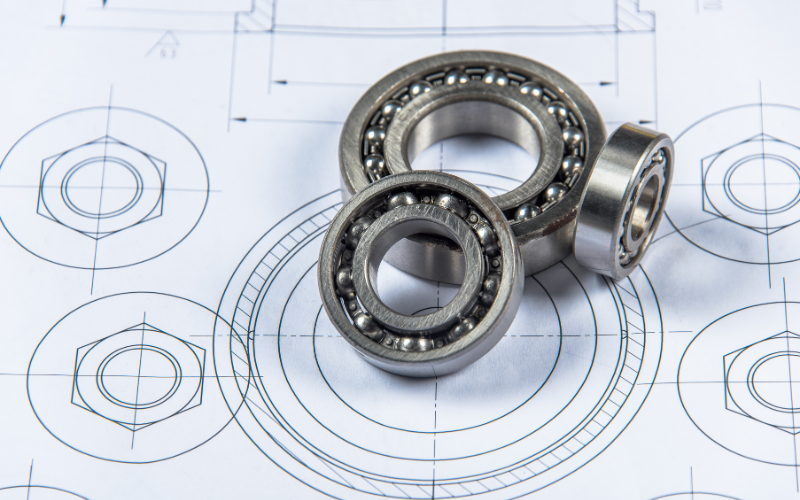
What Makes Ball Bearing the Most Popular Aftermarket Product?
Where Are Ball Bearings Used?
Ball bearings are used in many things.
- Cars: Wheel bearings let wheels turn swiftly. Transmissions use them to change gears. Engines use them for pumps and other parts. Steering systems need them too.
- Bikes: Wheels use them for smooth rides. Pedals and headsets use them. Bottom brackets need them for turning the pedals.
- Machines: Electric motors need them to run well. Pumps and conveyors also use them.
- Planes: Aircraft engines use them for high speed. Landing gear needs them to work right. Control surfaces move with their help.
- Medical Tools: Scanners use them to turn. Surgical tools need them for control. Dental drills use them for speed.
Different Types of Ball Bearings
Not all ball bearings are the same. Some are made for certain jobs.
- Deep Groove: These are common. They work for many things. They handle weight from the side well.
- Angular Contact: These handle weight from the side and front. Pumps and gearboxes use them.
- Thrust: These handle weight from the front only. Cranes and turntables use them.
- Self-Aligning: These work even if things are not lined up. This is good if parts move.
How to Pick the Right Ball Bearing
Picking the right ball bearing is important. Consider these things:
- Load Capacity: How much weight can a bearing hold? Pick one that can handle the weight.
- Speed Rating: How fast will it spin? Pick one that can spin fast enough.
- Temperature: How can friction impact its temperature? Pick one that can handle the heat.
- Size: Will it fit? Make sure the size is right.
- Material: What is it made of? Steel is common. Ceramic is strong. Stainless steel is good for water.
Why Replace Ball Bearings?
New ball bearings make things better.
- Better Performance: Things move smoother and faster.
- Less Downtime: You can stop problems before they start.
- More Efficiency: You save energy and money.
- Longer Life: Other parts last longer.
- More Safety: Things work the way they should. This stops accidents.
Where to Buy Ball Bearings
Buy good ball bearings from:
- Dealers: Buy from brands you trust.
- Online: Read reviews before you buy.
- Shops: Get help from experts.
How to Keep Ball Bearings Working
Grease: Use the right grease. Use it often.
- Seals: Keep dirt and water out.
- Check: Look for problems early. Check for noise. Evaluate shaking.
- Clean: Clean them often.
Ball Bearings: The Unsung Hero
Ball bearings are small but important. They help many things work. They wear out, so they are replaced often. Now you know why ball bearings are the most popular aftermarket product. They keep the world moving.
Share Your Tips!
Do you have any tips about ball bearings? Let’s discuss how we can make Bearing World a better place to purchase bearings of all classes and industries.
Keep visiting our blog for more updates and information on bearing.
Frequently Asked Questions About Ball Bearings
- How to define a ball bearing? It’s a part that lets things turn smoothly by using rolling balls.
- Why are ball bearings so popular? They are used in many things and wear out, so people buy replacements.
- Where are ball bearings used? Cars, bikes, machines, and medical tools all use them.
- How do ball bearings work? Balls roll between rings to reduce friction, making movement easier.
- What is a ball bearing cage? It keeps the balls apart inside the bearing.
- Describe the major types of ball bearings? Angular contact ball bearing, deep groove ball bearing and thrust ball bearing are the most popular types of bearings across manufacturing industries.
- What does “load capacity” mean? It’s the amount of weight a bearing can handle.
- Why is speed rating important? It tells you how fast a bearing can spin safely.
- Which material is used to make ball bearings? Bearings are generally made up of ceramic, steel and stainless steel are common.
- Is it important to replace worn ball bearings? New bearings improve performance and save energy.
- Whom should I approach for purchasing ball bearings? You can purchase ball bearings from us at www.bearingworld.com.sa
- How can we enhance the longevity of ball bearings? Grease them often and keep them clean.
- Which grease is used for ball bearing? Bearing maker provides a manual for each bearing or they may also provide you with the grease which should be used for the type of bearing purchased by you.
- How to identify a bad ball bearing? As the bearing is in running mode, look for unwanted noise and shaking.
- Why should one use steel bearings? Even with moisture, steel bearings can resist corrosion and rust.