Your cart is currently empty!
Application: Automotive
-
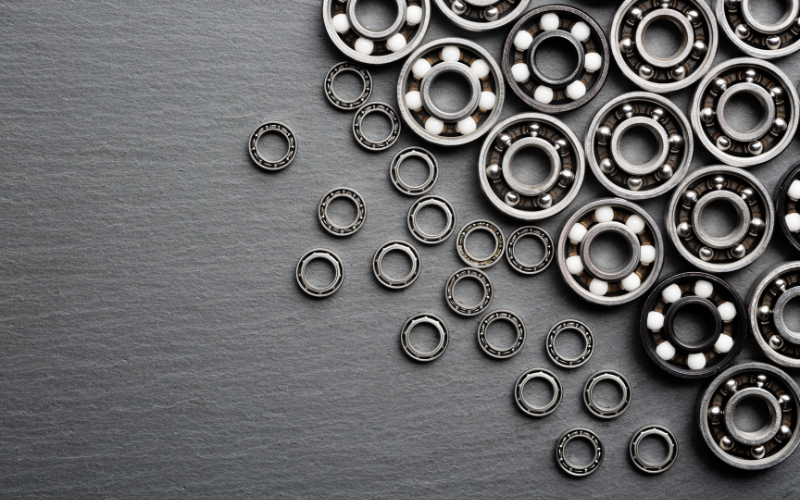
Car Bearing: Shaping the Future of Automotives
Have you ever considered what keeps your car wheels turning smoothly? It is the car bearing. These small components play a vital role in vehicle performance and longevity. At Bearing World, we understand the critical importance of car bearings. We see them as essential to the automotive industry, especially in the aftermarket. This blog explores why car bearings are so crucial and how they shape the future of automotive mobility.
The Unsung Hero: What is a Car Bearing?
A car bearing is a component designed to reduce friction between moving parts. Imagine the energy wasted if your wheels rubbed directly against the axle. Bearings allow wheels to rotate freely. They support the vehicle weight with minimal resistance. This translates to better fuel efficiency and smoother rides.
Why Car Bearings Matter: Performance and Safety
Car bearings directly impact vehicle performance in several ways. Consider these:
- Reduced Friction: Minimizes energy loss and improves fuel economy. Studies show that optimized bearings can improve fuel efficiency by up to 5%.
- Smooth Operation: Ensures smooth wheel rotation and a comfortable driving experience.
- Load Support: Handles vehicle weight and distributes it evenly.
- Enhanced Safety: Prevents wheel wobbling and ensures stable handling. Worn bearings can lead to dangerous situations, including wheel failure.
The Industrial Aftermarket: A Crucial Role for Car Bearings
The automotive aftermarket is a huge industry. It focuses on replacement parts, maintenance, and upgrades. Car bearings are a vital part of this market. Vehicles need replacement bearings due to wear and tear. Factors such as mileage, driving conditions, and maintenance habits influence bearing lifespan.
Here is why car bearings are so important in the aftermarket:
- Regular Replacement: Bearings are wearing items that require periodic replacement. This creates constant demand.
- Safety Critical: Replacing worn bearings improves vehicle safety. It prevents accidents due to wheel failure.
- Performance Enhancement: Upgrading to high-performance bearings can improve handling and fuel efficiency.
- Extending Vehicle Life: Replacing worn bearings helps extend the life of a vehicle. It keeps the engine running smoothly for years to come.
Types of Car Bearings
Several types of car bearings cater to different needs and applications. Some common types include:
- Ball Bearings: These balls are used to reduce friction. They are suitable for radial loads.
- Roller Bearings: These use rollers instead of balls. They handle heavier loads.
- Tapered Roller Bearings: These are designed to manage both radial and axial loads. These are commonly used in wheel bearings.
- Needle Roller Bearings: These are slim and suitable for applications with limited space.
Quality Matters: Choosing the Right Car Bearing
Selecting the right car bearing is critical. Quality affects performance, lifespan, and safety. Consider these factors when choosing a car bearing:
- Material: High-quality steel ensures durability and resistance to wear.
- Precision: Precise manufacturing reduces friction and improves performance.
- Sealing: Effective seals prevent contamination and extend bearing life.
- Brand Reputation: Choose reputable brands known for quality and reliability. Bearing World offers a wide range of high-quality car bearings from trusted manufacturers.
The Future of Car Bearings: Innovation and Technology
The future of car bearings looks promising. Innovations are improving performance and extending lifespan. Here are some trends to watch:
- Advanced Materials: Ceramics and composites offer reduced friction and improved heat resistance.
- Smart Bearings: Sensors monitor bearing condition and predict maintenance needs.
- Electric Vehicle Applications: Bearings designed for the specific demands of electric vehicles.
Car Bearings and Electric Vehicles
Electric vehicles place different demands on car bearings. Electric motors produce instant torque. This puts more stress on the bearings. EV bearings need to be durable and efficient. They also need to operate quietly. Some developments include:
- Improved Lubrication: Special lubricants reduce friction and wear.
- Noise Reduction: Design improvements minimize noise and vibration.
- Lightweight Materials: Reducing weight improves energy efficiency.
Bearing World: Your Partner in Car Bearing Solutions
At Bearing World, we are committed to providing high-quality car bearings. We serve the automotive aftermarket. We offer a wide range of bearings from top manufacturers. Our expert team can help you find the right bearing for your needs. Visit Bearing World to explore our products and learn more. We help you keep your vehicle running smoothly and safely.
Conclusion: The Indispensable Car Bearing
Car bearings are essential components in the automotive industry. They impact performance, safety, and fuel efficiency. Their role in the aftermarket is crucial. They ensure vehicles stay on the road. As technology advances, car bearings will continue to evolve. They will contribute to safer, more efficient, and more sustainable transportation. Visit Bearing World today. Discover how we can help you with your car bearing needs.
Q: How often should I replace my car bearings?
A: Replacement depends on driving conditions and vehicle usage. Check your vehicle’s manual for specific intervals. Listen for humming, grinding, or vibration, which may signal worn bearings.Q: What are the signs of a bad car bearing?
A: Symptoms include unusual noises (humming, grinding), wheel wobble, uneven tire wear, and possible ABS warning light activation.Q: Can I replace the car bearings myself?
A: It’s a complex task that requires special tools and mechanical expertise. For safety, professional installation is recommended.Q: What is the difference between ball bearings and roller bearings?
A: Ball bearings use balls and are ideal for radial loads. Roller bearings use rollers, offering better support for heavier or combined loads.Q: Are expensive car bearings worth the investment?
A: Yes. High-quality bearings provide superior performance, safety, and longevity, making them a smart long-term investment.Q: How do I choose the right car bearing for my vehicle?
A: Refer to your vehicle manual, consult a qualified mechanic, and consider driving style and conditions.Q: Do car bearings affect fuel efficiency?
A: Absolutely. Worn bearings increase friction, which in turn reduces fuel economy.Q: What is the role of lubrication in car bearing maintenance?
A: Proper lubrication reduces wear and friction, helping to extend bearing lifespan and maintain performance.Q: How can I prevent car bearing failure?
A: Perform routine maintenance, use correct lubrication, and avoid overloading your vehicle.Q: Where can I buy high-quality car bearings?
A: Visit Bearing World for a wide range of top-tier car bearings from trusted global manufacturers. -
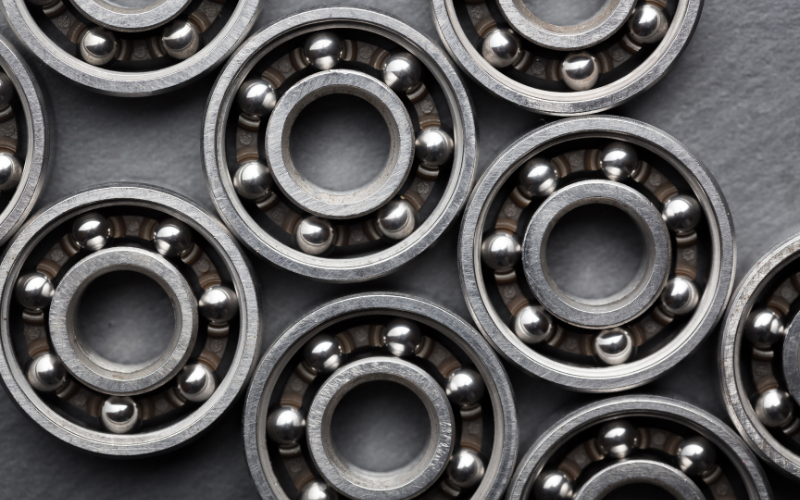
What Makes Wheel Bearings Crucial for Vehicle Success?
Ever wondered what enables your car wheels to spin smoothly? The unsung hero is the wheel bearing. At Bearing World, we see firsthand how these small components make a huge difference. They are vital for your vehicle performance and safety. Let us discuss why wheel bearings are so important, especially in the industrial aftermarket.
The Silent Workhorse: Understanding Wheel Bearings
Wheel bearings are simple devices. They are usually made of steel balls or rollers held within a metal ring. They reduce friction. This allows wheels to rotate freely. These bearings support the vehicle weight. They ensure a smooth and safe ride. Without them, your car would not go very far.
Why are Wheel Bearings So Important?
- Safety First: Worn bearings cause instability. This affects steering and braking. It puts you and others at risk.
- Smooth Ride: Good bearings mean less vibration. This improves riding comfort.
- Fuel Efficiency: Damaged bearings increase friction. This makes your engine work harder. Replacing them improves fuel economy.
- Component Protection: Faulty bearings strain other parts like tires and suspension. Replacing them prevents further damage.
The Industrial Aftermarket: A Big Deal for Bearings
The industrial aftermarket refers to the market for replacement parts and services. This keeps vehicles running smoothly. Bearings are essential in this market. Vehicles need replacements throughout their lifespan. The demand for quality wheel bearings is always high.
Signs of Failing Wheel Bearings
Being aware of the signs of failing bearings is crucial. Early detection can prevent major issues. Here are common warning signs:
- Unusual Noises: Grinding, humming, or clicking sounds from the wheels, especially when turning.
- Vibration: Feeling vibrations in the steering wheel or floorboard.
- Loose Steering: A feeling of play or looseness in the steering.
- Uneven Tire Wear: Premature or uneven wear on your tires.
- ABS Issues: Problems with the anti-lock braking system.
If you notice these signs, it is time to inspect your wheel bearings.
Choosing the Right Wheel Bearings
Selecting the right bearings ensures optimal performance. Consider these factors:
- Vehicle Type: Different vehicles need different bearing types.
- Quality: Invest in high-quality bearings. They last longer and perform better.
- Brand Reputation: Choose trusted brands known for reliability. Bearing World offers premium bearings. They meet the needs of our customers.
- Installation: Professional installation is important. This ensures correct fit and function.
Keep Your Vehicle Running Smoothly
Wheel bearings are a small part, but they play a bigger role in assuring engine success. They impact vehicle safety, performance, and efficiency. Knowing their importance helps you maintain your vehicle. It also reduces costs. Visit Bearing World today and explore our selection of quality wheel bearings. Contact our team for support and keep your vehicle running at its best!
Q: How often should I replace my wheel bearings?
A: There’s no fixed interval, but it’s wise to inspect them every 40,000 to 60,000 miles. Replace them if you notice symptoms like noise, vibration, or play in the wheels.Q: Can I replace wheel bearings myself?
A: While it’s possible, it requires mechanical skills and specific tools. For safety and reliability, professional installation is recommended.Q: What causes wheel bearings to fail?
A: Common causes include wear and tear, impact damage, inadequate lubrication, and contamination.Q: Are all wheel bearings the same?
A: No, wheel bearings differ in size, type, and design, depending on your vehicle make, model, and application.Q: How do I know if my ABS sensor is bad?
A: Signs include the ABS warning light on the dashboard and irregular braking behavior.Q: What is the difference between a wheel hub and a wheel bearing?
A: The wheel bearing allows rotation, while the hub mounts the wheel to the vehicle. Some vehicles use hub assemblies that integrate both components.Q: Can I drive with a bad wheel bearing?
A: It’s not safe. Driving with a faulty bearing can lead to wheel damage, steering issues, and accidents.Q: How much does it cost to replace a wheel bearing?
A: The cost varies by vehicle type and labor charges. It’s best to get a quote from a trusted mechanic.Q: What type of grease should I use for wheel bearings?
A: Use a high-temperature, water-resistant grease—lithium-based grease is a popular choice.Q: Where can I buy quality wheel bearings?
A: Visit Bearing World for a wide range of high-quality wheel bearings tailored to all types of vehicles. -
Why Roller Bearings Use Cylindrical Rollers?
Have you ever wondered what makes heavy machinery move with such ease? A key component is the roller bearing. These essential parts are everywhere. They are in cars, manufacturing plants, and even home appliances. At Bearing World, we see firsthand the critical importance of these bearings in keeping industry running smoothly. We want to explain why cylindrical rollers are so often chosen for these vital devices.
The Unsung Hero: Roller Bearings in Industry
Roller bearings are not just small metal parts. They are essential for reducing friction between moving parts. They allow machines to operate efficiently and reliably. The industrial aftermarket relies heavily on these bearings. Damaged or worn bearings can cause downtime. This can lead to lost production and revenue. A report by Grand View estimates that the global bearing market is expected to advance at a compound annual growth rate of 10.6% from 2023 to 2030 to reach USD 226.6 billion by 2030. (Source: grandviewresearch). This shows the huge demand for reliable bearing solutions.
What Makes Cylindrical Rollers Special?
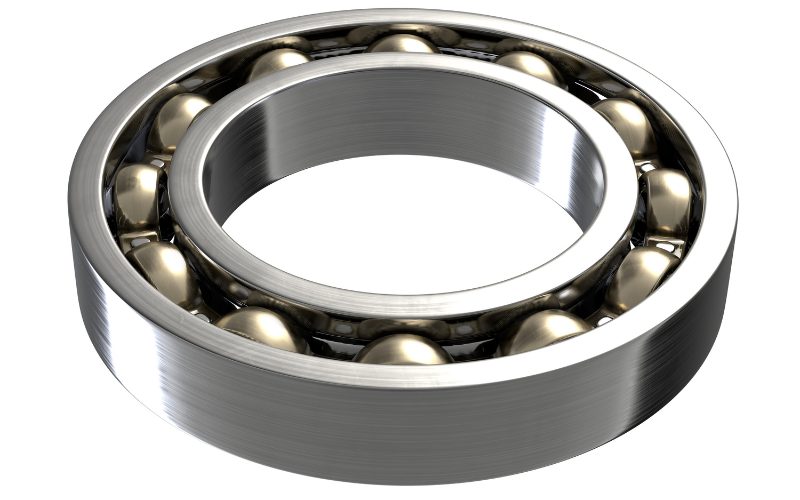
Several types of roller bearings exist. Ball bearings and tapered roller bearings are common. However, cylindrical roller bearings offer unique advantages. Their cylindrical shape allows them to distribute loads evenly across a larger area. This makes them ideal for applications with heavy radial loads.
Consider a conveyor system in a manufacturing plant. It constantly carries heavy materials. Cylindrical roller bearings in the conveyor system’s rollers can handle this weight. They do this without excessive wear or deformation. This is because the load is spread across the entire length of the roller.
Load Capacity and Performance
The key benefit of cylindrical rollers is their high load capacity. This is significantly greater than that of ball bearings of the same size. Ball bearings rely on point contact. Cylindrical rollers have line contact. Line contact distributes the load over a larger area.
For example, a cylindrical roller bearing can handle 2 to 3 times the load of a comparable ball bearing. This is crucial in applications where heavy loads are the norm. These applications include gearboxes, electric motors, and rolling mills.
Applications Where Cylindrical Rollers Excel
Cylindrical roller bearings are well-suited for specific applications. Some common examples include:
- Gearboxes: They support the shafts and gears. They handle the radial forces generated during power transmission.
- Electric Motors: They provide smooth and efficient rotation of the motor shaft.
- Rolling Mills: They withstand the extreme forces involved in shaping metal.
- Railway Axles: They provide reliable support for train wheels.
- Pumps: They support the rotating shafts and impellers.
These applications benefit from durability. They also benefit from the high load capacity offered by cylindrical roller bearings.
Advantages Over Other Bearing Types
Cylindrical roller bearings offer other advantages:
- Lower Friction: They have lower friction compared to some other roller bearing types. This translates to better energy efficiency.
- High Speed Capability: They can operate at relatively high speeds. This makes them suitable for various applications.
- Simple Design: Their straightforward design simplifies installation and maintenance.
Understanding Roller Bearing Design
Cylindrical roller bearings typically consist of:
- An outer ring (race)
- An inner ring (race)
- Cylindrical rollers
- A cage (separator)
The cage keeps the rollers separated. This prevents them from rubbing against each other. It also ensures even load distribution. The design allows for pure rolling motion. This reduces friction and wear.
The Importance of Quality and Maintenance
The lifespan of a roller bearing depends on several factors. These include the quality of the bearing and proper maintenance. Regular lubrication is crucial. It minimizes friction and prevents corrosion. Proper alignment is also essential. Misalignment can cause uneven load distribution. This leads to premature failure.
At Bearing World, we emphasize the importance of selecting high-quality bearings. We also recommend following a consistent maintenance schedule. This ensures optimal performance and extends the lifespan of your equipment.
Choosing the Right Cylindrical Roller Bearing
Selecting the correct cylindrical roller bearing is vital. Consider the following factors:
- Load Requirements: Determine the maximum radial load the bearing will experience.
- Speed Requirements: Ensure the bearing can handle the operating speed.
- Operating Temperature: Choose a bearing material that can withstand the operating temperature.
- Lubrication Method: Select a bearing compatible with your lubrication system.
Consulting with a bearing specialist is helpful. This ensures you choose the most suitable bearing for your application.
Conclusion
Cylindrical roller bearings are a crucial component in many industrial applications. Their ability to handle heavy radial loads, combined with their durability and efficiency, makes them a reliable choice. By understanding their design, advantages, and proper maintenance, you can optimize their performance and extend the lifespan of your machinery. Visit Bearing World to explore our wide selection of high-quality roller bearings and expert support.
Q: What is a cylindrical roller bearing?
A: It is a rolling-element bearing that uses cylindrical rollers to maintain separation between moving parts, supporting radial loads efficiently.Q: What are the main advantages of cylindrical roller bearings?
A: They offer high radial load capacity, low friction, and are suitable for high-speed applications.Q: Where are cylindrical roller bearings commonly used?
A: Common applications include gearboxes, electric motors, rolling mills, railway axles, and pumps.Q: How do cylindrical roller bearings handle loads compared to ball bearings?
A: Cylindrical rollers provide line contact, whereas ball bearings use point contact. This enables them to carry much heavier radial loads.Q: What is the purpose of the cage in a cylindrical roller bearing?
A: The cage separates the rollers, prevents contact between them, and ensures even load distribution for smooth operation.Q: How important is lubrication for cylindrical roller bearings?
A: Lubrication is essential. It reduces friction, prevents corrosion, and helps extend the lifespan of the bearing.Q: What happens if a cylindrical roller bearing is misaligned?
A: Misalignment can cause uneven load distribution, leading to premature wear and potential failure.Q: What factors should I consider when choosing a cylindrical roller bearing?
A: Key considerations include load capacity, operating speed, temperature range, and the lubrication method.Q: How can I extend the lifespan of a cylindrical roller bearing?
A: Use high-quality bearings, maintain regular lubrication, and ensure proper alignment during installation.Q: Where can I buy high-quality cylindrical roller bearings?
A: Visit Bearing World for a wide range of premium cylindrical roller bearings and expert guidance tailored to your needs. -
What Makes Ball Bearings a Universal Solution for Automotive Applications?
Are you driving a car, riding a motorcycle, or even using a bicycle? Then you are relying on a small but mighty component: the ball bearing. These unassuming rings filled with metal balls play a huge role in how smoothly your vehicle operates. As an industry expert with Bearing World, I have seen firsthand how crucial ball bearings are. Let’s explore why they are so universal, particularly in the automotive world and its vital aftermarket.
The Genius of the Ball Bearing: Reducing Friction
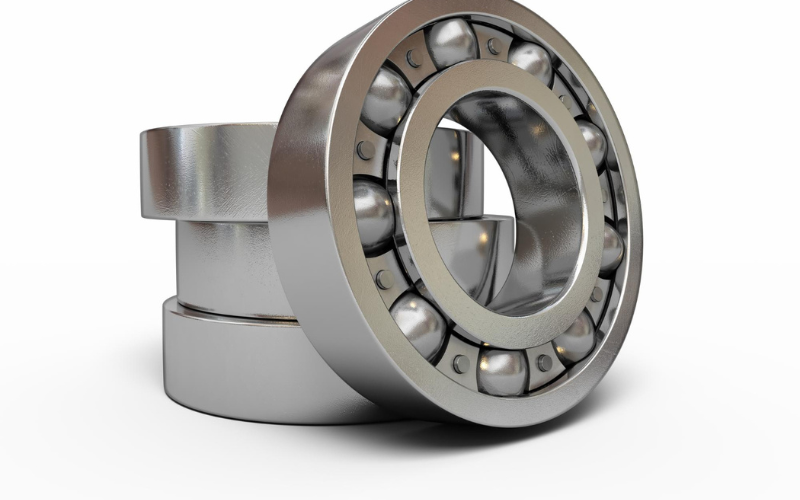
The core function of a ball bearing is simple: reduce friction. Imagine two surfaces rubbing directly against each other. That creates a lot of heat and wear. Ball bearings, placed between these surfaces, allow them to roll instead of rub. This rolling motion significantly cuts down on friction.
This is especially important in vehicles. Engines, transmissions, wheels, and other moving parts all need to operate efficiently. Less friction translates to better fuel economy, reduced wear and tear, and increased power.
Automotive Applications: Ball Bearings Everywhere
You might be surprised by how many ball bearings are in your car. Here are a few key examples:
- Wheel Bearings: These are essential for smooth and safe wheel rotation. They allow your wheels to spin freely while supporting the weight of the vehicle.
- Engine Components: Ball bearings are used in the engine to support the crankshaft, camshaft, and other rotating parts. This ensures smooth engine operation and reduces wear.
- Transmission Systems: Transmissions rely heavily on ball bearings to facilitate gear changes and transfer power efficiently.
- Steering Systems: Ball bearings are used in the steering column and power steering systems for precise and effortless steering control.
- Alternators and Starters: These electrical components also use ball bearings for reliable operation.
The Aftermarket: Keeping Vehicles on the Road
The automotive aftermarket is the economic sector involved in the manufacturing, remanufacturing, distribution, retailing, and installation of all vehicle parts, chemicals, equipment, and accessories after the sale of the vehicle by the original equipment manufacturer (OEM) to the consumer. The aftermarket depends heavily on ball bearings. When a wheel bearing fails, for instance, it needs to be replaced. That is where companies like Bearing World come in. We provide high-quality replacement ball bearings to keep vehicles running smoothly.
The aftermarket is a huge business. A report by the Auto Care Association estimates the global automotive aftermarket at over $400 billion. Ball bearings make up a significant portion of this market, underscoring their critical importance for vehicle maintenance and repair.
Why Ball Bearings Reign Supreme
Several factors contribute to the universal adoption of ball bearings in automotive applications:
- Efficiency: They minimize friction, improving fuel economy and performance.
- Load Capacity: Ball bearings can handle significant radial and thrust loads.
- Durability: Made from hardened steel, they can withstand high stress and temperatures.
- Versatility: They are available in various sizes and designs to fit different applications.
- Cost-Effectiveness: Despite their performance benefits, ball bearings are relatively inexpensive to manufacture and replace.
The Future of Ball Bearings in Automotive
As the automotive industry moves towards electric vehicles (EVs), the role of ball bearings remains crucial. EVs still rely on bearings in their electric motors, transmissions, and wheel assemblies. In some cases, the demands on these bearings are even greater due to the high speeds and torque of electric motors.
Ongoing research and development are focused on improving ball bearing materials, designs, and lubrication techniques. This will further enhance their performance, lifespan, and efficiency in both traditional and electric vehicles.
Ball bearings are more than just small metal components. They are a vital element in ensuring the safe, efficient, and reliable operation of vehicles. Their widespread use and importance in the automotive aftermarket make them a truly universal solution for mobility. At Bearing World, we are committed to providing high-quality ball bearings that keep the world moving.
Q: What is the typical lifespan of a wheel bearing?
A: Wheel bearings usually last between 85,000 and 130,000 kilometers. However, lifespan depends on driving conditions, load, and maintenance practices.Q: How do I know if a ball bearing needs to be replaced?
A: Warning signs include grinding or humming noises, excessive vibrations, and loose or unstable steering.Q: Can I replace the ball bearing myself?
A: While possible, replacement can be complex and may require specialized tools. For safety and precision, professional installation is recommended.Q: What are the different types of ball bearings?
A: Common types include:
– Deep Groove Ball Bearings
– Angular Contact Ball Bearings
– Thrust Ball BearingsQ: How important is lubrication for ball bearings?
A: Proper lubrication is essential. It reduces friction, prevents wear, and significantly extends the life of the bearing.Q: Do electric vehicles use ball bearings?
A: Yes, electric vehicles use ball bearings in motors, transmissions, and wheel assemblies, ensuring smooth and efficient operation.Q: What materials are ball bearings made of?
A: Ball bearings are typically made from high-carbon chromium steel, known for its strength and durability.Q: Where can I buy high-quality ball bearings?
A: Visit www.bearingworld.com.sa to explore our extensive range of premium-quality ball bearings for all applications.Q: How do ball bearings contribute to fuel efficiency?
A: By minimizing friction in moving parts, ball bearings help vehicles operate more efficiently, improving fuel economy.Q: What is the role of ball bearings in automotive safety?
A: Ball bearings play a critical role in wheel stability and steering. Faulty bearings can impact control, making regular inspection vital for safety. -
Types of Roller Ball Bearing and Their Uses
Are you curious about what keeps machines moving smoothly? Do you wonder about the hidden heroes of motion that reduce friction? The answer lies in roller ball bearings. These small yet powerful components are crucial in countless applications, from the wheels of your car to the intricate mechanisms in industrial machinery. This blog post from Bearing World will explore the different types of roller ball bearings and their specific uses, providing you with a comprehensive understanding of these essential parts.
What are Roller Ball Bearings?
Roller ball bearings are a type of rolling-element bearing that uses balls to maintain separation between the bearing races. This design minimizes rotational friction and supports radial and axial loads. These bearings are integral to the efficient operation of various mechanical systems. They allow parts to move freely and with minimal energy loss.
Why are Roller Ball Bearings Important?
- Reduced Friction: Bearings significantly decrease friction. This leads to energy savings and longer component life.
- Load Support: They support both radial and axial loads, allowing machines to handle various forces.
- Smooth Operation: Bearings ensure smooth and precise motion, essential for many applications.
- Increased Efficiency: By reducing friction, they improve the overall efficiency of mechanical systems.
- Extended Lifespan: Using bearings can extend the life of machinery by minimizing wear and tear on moving parts.
Types of Roller Ball Bearings
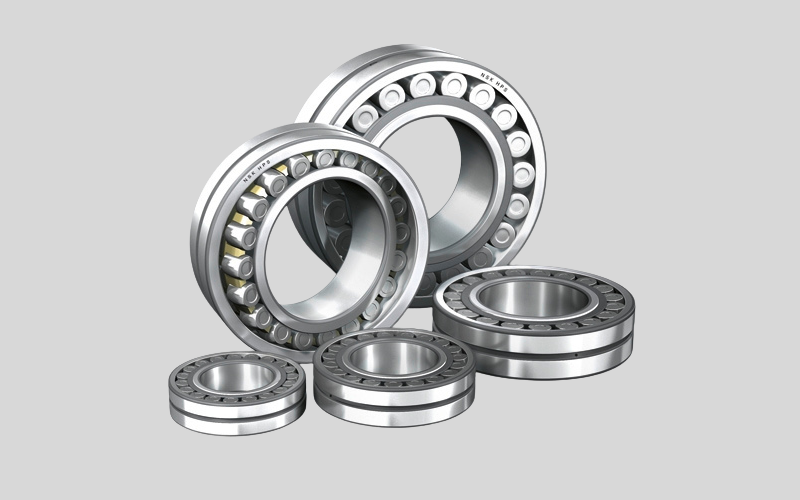
Many types of roller ball bearings exist, each designed for specific applications and load requirements. Here is a look at some common types:
1. Deep Groove Ball Bearings
- Description: These are the most common type of roller ball bearings. They feature deep, uninterrupted raceway grooves.
- Uses: Deep groove bearings are versatile. They are suitable for high speeds and moderate radial and axial loads and are found in electric motors, pumps, and household appliances. Their simple design and cost-effectiveness make them a popular choice.
- Advantages: High speed capability, low friction, versatile application.
- Limitations: Moderate load capacity compared to other types.
2. Angular Contact Ball Bearings
- Description: Angular contact bearings are designed to handle combined radial and axial loads. The contact angle between the balls and races allows for higher axial load capacity.
- Uses: These bearings are ideal for applications requiring high precision and rigidity. Examples include machine tool spindles, pumps, and compressors. They can be mounted in pairs or sets to handle loads in both directions.
- Advantages: High axial load capacity, precise operation, good for combined loads.
- Limitations: Requires careful alignment, more complex installation.
3. Self-Aligning Ball Bearings
- Description: These bearings have two rows of balls and a spherical raceway in the outer ring. This allows the bearing to tolerate angular misalignment.
- Uses: Self-aligning bearings are useful in applications where shaft misalignment is a problem. They are found in textile machinery, conveyors, and agricultural equipment.
- Advantages: Tolerates misalignment, reduces stress on components.
- Limitations: Lower load capacity compared to other types.
4. Thrust Ball Bearings
- Description: Thrust bearings are designed to handle axial loads only. They are not suitable for radial loads.
- Uses: Thrust bearings are used in low-speed applications with heavy axial loads, such as crane hooks, turntables, and some types of gearboxes.
- Advantages: High axial load capacity in one direction.
- Limitations: Cannot handle radial loads, limited speed capability.
5. Cylindrical Roller Bearings
- Description: These bearings use cylindrical rollers instead of balls. This provides a larger contact area and higher radial load capacity.
- Uses: Cylindrical roller bearings are found in heavy machinery, gearboxes, and electric motors. They are suitable for high radial loads and moderate speeds.
- Advantages: High radial load capacity, good for shock loads.
- Limitations: Lower axial load capacity compared to angular contact bearings.
6. Needle Roller Bearings
- Description: Needle roller bearings use long, thin cylindrical rollers. These bearings have a small radial section height, making them suitable for applications with limited space.
- Uses: Needle roller bearings are used in automotive transmissions, rocker arms, and small engines.
- Advantages: Compact design, high load capacity for their size.
- Limitations: Requires hardened shaft surfaces, can be sensitive to misalignment.
7. Tapered Roller Bearings
- Description: These bearings use tapered rollers and raceways. They are designed to handle both radial and axial loads.
- Uses: Tapered roller bearings are common in automotive wheel bearings, gearboxes, and heavy machinery.
- Advantages: High load capacity, good for combined loads.
- Limitations: Requires careful adjustment, more complex installation.
Choosing the Right Roller Ball Bearing
Selecting the right type of bearing is crucial for optimal performance and longevity. Consider the following factors:
- • Load Requirements: Determine the magnitude and direction of the loads (radial, axial, or combined).
- • Speed Requirements: Consider the operating speed of the application.
- • Operating Environment: Consider the temperature, contamination levels, and other environmental factors.
- • Space Limitations: Determine the available space for the bearing.
- • Misalignment: Assess the potential for misalignment between the shaft and housing.
Consult with Bearing World to ensure you select the most appropriate roller ball bearing for your specific needs. Our team of experts can provide guidance and support to help you optimize your machinery performance.
The Roller Ball Bearings Market and its Significance
The roller ball bearings market is a significant part of the global industrial economy. According to a recent report by Grand View Research, the global bearings market was valued at USD 128.7 billion in 2022 and is expected to grow. This growth is driven by the increasing demand for bearings in automotive, aerospace, and industrial sectors.
- Automotive Industry: Bearings are crucial in vehicle manufacturing, contributing to smooth and efficient operation.
- Aerospace Industry: High-precision bearings are essential for aircraft engines and control systems.
- Industrial Sector: Bearings are used in a wide range of industrial machinery, from pumps and motors to heavy equipment.
The roller ball bearings market is competitive, with many global and regional players. Bearing World strives to deliver high-quality products and exceptional customer service to meet the diverse needs of our clients.
Maintenance and Care of Roller Ball Bearings
Proper maintenance is essential for extending the life of roller ball bearings. Here are some tips:
- Lubrication: Use the correct type and amount of lubricant.
- Cleanliness: Keep bearings clean and free from contaminants.
- Alignment: Ensure proper alignment during installation.
- Inspection: Regularly inspect bearings for wear and damage.
- Replacement: Replace worn or damaged bearings promptly.
Following these guidelines can help you maximize the performance and lifespan of your roller ball bearings.
Conclusion
Roller ball bearings are essential components in a vast range of applications. Understanding the different types of bearings and their specific uses is crucial for selecting the right bearing for your needs. Bearing World offers a wide selection of high-quality bearings and expert support to help you optimize your machinery performance. Contact us today to learn more about our products and services.
Ready to find the perfect roller ball bearing for your application? Visit Bearing World today to explore our extensive catalog and speak with our expert team. We are here to help you find the right solution for your needs.
Q: What is the difference between a ball bearing and a roller bearing?
A: Ball bearings use balls to reduce friction, while roller bearings use cylindrical or tapered rollers. Roller bearings generally have higher load capacities.Q: What is the most common type of roller ball bearing?
A: Deep groove ball bearings are the most common type.Q: How do I choose the right bearing for my application?
A: Consider the load requirements, speed, operating environment, space limitations, and potential for misalignment.Q: What is the purpose of lubrication in bearings?
A: Lubrication reduces friction, dissipates heat, and protects against corrosion.Q: How often should I lubricate my bearings?
A: The frequency of lubrication depends on the application and operating conditions. Consult the bearing manufacturer’s recommendations.Q: What are the signs of a worn bearing?
A: Signs include excessive noise, vibration, heat, and play.Q: Can I replace the roller bearing myself?
A: It depends on your mechanical skills and the complexity of the application. Consult a professional if you are unsure.Q: Where can I buy high-quality roller ball bearings?
A: Bearing World offers a wide selection of high-quality bearings to meet your needs.Q: What is the lifespan of a roller ball bearing?
A: The lifespan depends on the application, operating conditions, and maintenance practices.Q: Are roller ball bearings recyclable?
A: Yes, most roller ball bearings are made from recyclable materials. -
What are the causes of Car Bearing Malfunction?
Are you hearing a strange humming or grinding noise from your wheels? It might be a car bearing issue. Car bearings are crucial for a smooth and safe ride. They allow your wheels to rotate freely. Ignoring problems can lead to bigger issues. This blog post explains the causes of car bearing failure. We will also discuss ways to prevent them. If you suspect a car bearing problem, this guide is for you.
What Are Car Bearings and Why Are They Important?
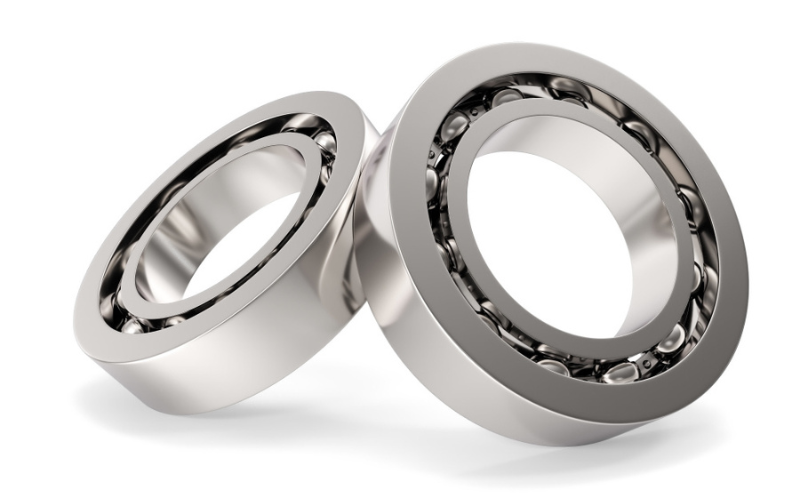
Car bearings are essential parts. They sit inside the wheel hubs and help the wheels turn smoothly. Without them, the wheels would face too much friction. This friction can cause overheating and even wheel lockup. A properly functioning car bearing ensures:
- Smooth and quiet ride.
- Accurate steering.
- Optimal fuel efficiency.
- Safe braking performance.
Main Causes of Car Bearing Malfunction
Several factors contribute to car bearing problems. Knowing these causes can help you take preventive measures.
1.Lack of Lubrication
- The Problem: Car bearings need grease to function correctly. Grease reduces friction and dissipates heat. Over time, grease can dry out, leak, or become contaminated which leads to increased friction and wear.
- The Result: Overheating, noise, and eventual failure.
- Prevention: Regularly inspect your car bearings. Have them repacked with grease as part of routine maintenance. Follow your vehicle manufacturer’s recommendations.
2.Contamination
- The Problem: Dirt, water, and other particles can enter the car bearing. Contamination damages the internal components.
- The Result: Premature wear, corrosion, and eventual failure.
- Prevention: Use high-quality seals. Make sure they are installed correctly. Avoid driving through deep water or mud if possible.
3.Impact Damage
- The Problem: Hitting potholes, curbs, or other road hazards can damage car bearings. The impact forces can cause cracks, dents, or misalignment.
- The Result: Noise, vibration, and eventual failure.
- Prevention: Drive carefully. Avoid road hazards when possible. If you hit something hard, have your car bearings inspected.
4.Improper Installation
- The Problem: Incorrect installation can cause significant damage. This includes using the wrong tools. It also involves applying excessive force.
- The Result: Premature wear, misalignment, and eventual failure.
- Prevention: Have car bearings installed by a qualified mechanic. Ensure they use the correct tools and procedures.
5.General Wear and Tear
- The Problem: Like any mechanical part, car bearings wear out over time. Normal use causes gradual wear on the internal components.
- The Result: Increased noise, looseness, and eventual failure.
- Prevention: Regular inspections can help detect wear early. Replace car bearings as needed. Follow the manufacturer’s recommendations.
6.Overloading
- The Problem: Exceeding your vehicle’s weight capacity puts extra stress on the car bearings.
- The Result: Premature wear and failure.
- Prevention: Avoid overloading your vehicle. Distribute weight evenly when carrying cargo.
7.Corrosion
- The Problem: Exposure to moisture and road salt can cause rust. Rust weakens the car bearing components.
- The Result: Increased friction, noise, and eventual failure.
- Prevention: Regularly wash your vehicle. Especially during winter. Apply rust protection to undercarriage components.
8.Poor Quality Bearings
- The Problem: Using low-quality or counterfeit bearings. These bearings are often made with inferior materials and manufacturing processes.
- The Result: Premature failure and potential safety hazards.
- Prevention: Purchase car bearings from reputable suppliers. Like Bearingworld.com.sa. Ensure they meet or exceed OEM specifications.
9.Misalignment
- The Problem: Wheel misalignment puts uneven stress on car bearings.
- The Result: Accelerated wear and potential failure.
- Prevention: Get regular wheel alignments. This ensures even load distribution on the car bearings.
10.Brake Issues
- The Problem: Dragging brakes can generate excessive heat. This heat can damage the car bearings.
- The Result: Premature wear and failure.
- Prevention: Regularly inspect your brakes. Fix any issues promptly.
Recognizing the Signs of a Failing Car Bearing
Catching a problem early can save you time and money. Be alert for these signs:
- Unusual Noises: Grinding, humming, or roaring sounds coming from the wheels. The noise often gets louder as speed increases.
- Vibration: Feeling vibrations in the steering wheel or floorboard.
- Looseness: Excessive play in the wheel when you try to move it by hand.
- Uneven Tire Wear: Unusual wear patterns on your tires.
- ABS Light: The ABS (Anti-lock Braking System) light might illuminate. This happens if the car bearing has an integrated ABS sensor.
Proactive Maintenance for Car Bearings
Preventative maintenance is key to extending the life of your car bearings:
- Regular Inspections: Have your car bearings inspected by a mechanic during routine maintenance.
- Proper Lubrication: Ensure car bearings are properly lubricated.
- Wheel Alignment: Maintain proper wheel alignment to prevent uneven wear.
- Careful Driving: Avoid potholes and other road hazards.
- Quality Parts: Use high-quality replacement car bearings.
When to Replace Your Car Bearings
There is no set timeline for replacing car bearings. Replacement depends on driving conditions and maintenance habits. If you notice any signs of failure, have them inspected immediately and replace them as needed because replacing them prevent further damage and ensure safety.
Finding the Right Car Bearings
Choosing the right car bearings is crucial. Consider these factors:
- Vehicle Specifications: Select car bearings that are designed for your specific make and model.
- Quality: Opt for high-quality car bearings from reputable manufacturers. Visit Bearingworld.com.sa for reliable options.
- Warranty: Look for car bearings with a good warranty.
- Professional Advice: Consult with a mechanic or car bearing specialist for guidance.
When to look for a bearing supplier?
Are you experiencing car bearing issues? Don’t wait until it’s too late. Contact Bearing World today for high-quality replacement car bearings. Ensure a smooth and safe ride by first scheduling a professional inspection. We can address any potential car bearing problems and may help you in ensuring safety of your vehicle assembly.
Q: How long do car bearings typically last?
A: Car bearing lifespan varies. It depends on driving conditions and maintenance. They often last between 75,000 and 150,000 miles.Q: Can I replace a car bearing myself?
A: It is possible. It requires specialized tools and knowledge. Hence, it is best left to a qualified mechanic.Q: How much does it cost to replace a car bearing?
A: Cost varies depending on the vehicle make and model. It also depends on labor rates. Expect to pay between 750.15 Riyal to 3000.59 Riyal per car bearing.Q: What happens if I don’t replace a bad car bearing?
A: Ignoring a bad car bearing can lead to wheel lockup. This can cause an accident and may also damage other suspension components.Q: Can a bad car bearing affect my gas mileage?
A: Yes, a failing car bearing can increase friction. This makes your engine work harder as it reduces fuel efficiency.Q: Are front and rear car bearings the same?
A: No, front and rear car bearings are often different. They are designed for specific axle loads and configurations.Q: How can I tell which car bearing is bad?
A: The easiest way is to have a mechanic inspect your vehicle. They use diagnostic tools which can pinpoint the source of the noise or vibration precisely.Q: Does replacing a car bearing require a wheel alignment?
A: Yes, it is recommended to get a wheel alignment. This ensures proper suspension geometry and prevents uneven tire wear.Q: What is the difference between a ball car bearing and a roller car bearing?
A: Ball car bearings use balls to reduce friction. Roller car bearings use rollers. Roller car bearings can handle heavier loads.Q: Where can I buy quality car bearings?
A: You can buy quality car bearings from reputable suppliers. Visit Bearingworld.com.sa for a wide selection of reliable options.