Your cart is currently empty!
Category: Technical Insights
-
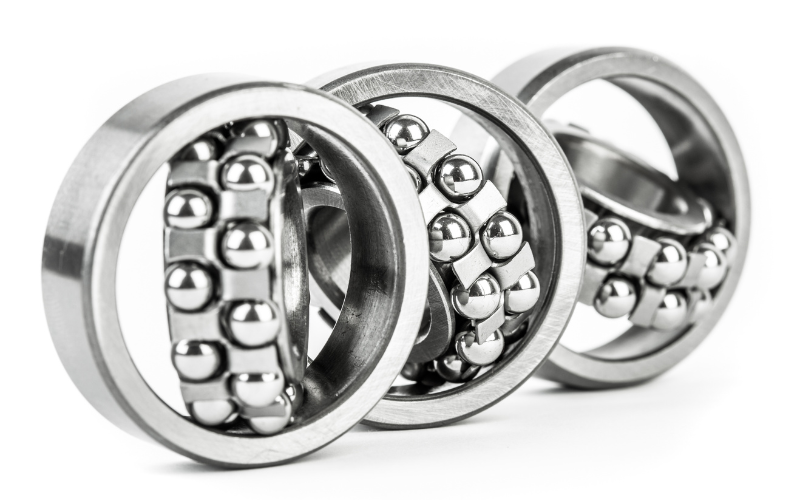
5 Signs Your Roller Ball Bearing Needs Replacement: Avoid Downtime
Understanding the Importance of Roller Ball Bearings
Roller ball bearings a are the unsung heroes in vehicles. They play a critical role in ensuring smooth performance and safety. Acting as the interface between moving parts, these bearings minimize friction and wear, allowing your vehicle to operate efficiently. Neglecting them could lead to catastrophic failure, compounding the risk to both the vehicle and its occupants.
Critical Role in Vehicle Performance and Safety
Bearings could well be considered the backbone of your vehicle’s mechanical system. They support the weight of the vehicle, facilitate wheel rotation, and contribute to overall handling stability. Without properly functioning bearings, you’re looking at diminished performance and a potential safety hazard. Failed bearings can cause sudden wheel lock, reduced braking efficiency, and even loss of vehicle control. Hence, understanding their importance can’t be stressed enough.
Cost Implications of Bearing Failure vs. Preventive Maintenance
Let’s talk dollars and cents. Waiting for a bearing to fail can cost you a lot of time. When a bearing fails without warning, it can lead to collateral damage taking out nearby components. In severe cases, it could require an entirely new wheel or axle assembly. Compare that to preventive maintenance, where regularly scheduled checks and timely replacements can nip potential issues in the bud. This proactive approach can drastically reduce the chances of extensive repairs, saving both time and money.
Impact on Overall Vehicle Efficiency and Longevity
Beyond safety and immediate cost implications, bearing health impacts your vehicle’s long-term efficiency and lifespan. Well-maintained bearings reduce friction, which translates to better fuel efficiency. Additionally, they keep other vehicle parts from unnecessary strain, thereby extending their operational life. In essence, paying attention to your roller ball bearings ensures your vehicle runs smoothly for years to come, and who doesn’t want that peace of mind?
Performing regular checks and understanding the warning signs can make all the difference.
Unusual Noise Patterns
Identifying unusual noise patterns from roller ball bearings is a crucial diagnostic tool for any vehicle owner or mechanic. These noises often serve as an early warning system for impending bearing failures. Learning to differentiate these sounds from other mechanical issues can save you from costly repairs and ensure vehicle safety.
Types of Bearing-Related Noises
Bearings often give off distinct noises when they start to wear out. Some common types include:
- Clicking: Often heard when turning or changing speeds, a clicking noise typically implies that the bearing has suffered from a lack of lubrication or has accumulated debris.
- Grinding: This is usually a sign of severe wear and is a warning that the bearing might fail soon if not addressed. Grinding noises could indicate metal-to-metal contact, which is particularly damaging.
- Squealing: High-pitched squeals can be the result of inadequate lubrication and sometimes point to bearings that are overheating.
Identifying Bearing-Specific Sounds
It’s often challenging to distinguish bearing-specific noises from other mechanical issues, but two tests can help:
- Speed and Load Variations: If the noise changes with vehicle speed or load, it likely originates from the bearings rather than other components like brakes or engine.
- Directional Influence: Bearing noises often get louder or quieter when turning the wheel in one direction, particularly if you’re putting more load on the affected wheel.
Noise Patterns and Damage Severity
The type of noise can also give you a clue about the severity of the bearing damage:
- Intermittent Clicking: Typically indicates early-stage wear. The bearing is still operational but will need attention soon.
- Constant Grinding: Usually implies significant wear and potential internal damage. Immediate action is required.
- Squealing and Heat Build-Up: Suggests severe friction and possible imminent failure. The bearing may disintegrate if not addressed promptly.
Understanding these noise patterns is an essential part of maintaining vehicle performance and safety. Don’t ignore these early warning signs; they can save you a lot of hassle in the long run.
Temperature Monitoring
Normal Operating Temperature Ranges for Roller Ball Bearings
Understanding the typical operating temperature ranges for roller ball bearings is crucial for effective vehicle maintenance. Generally, standard bearings operate comfortably within a range of 130°F to 180°F (54°C to 82°C). Any deviation from this range can signal potential issues that need immediate attention.
Signs of Excessive Heat Generation and Its Causes
Excessive heat generation in roller ball bearings is a red flag for underlying problems. Here are some common causes and signs:
- Insufficient Lubrication: Lack of proper lubrication can increase friction and heat.
- Overloading: Bearing overloaded beyond its capacity can lead to rapid wear and generate excess heat.
- Misalignments: Improper alignment causes uneven load distribution, generating hotspots.
- Contamination: Dirt and debris inside the bearing reduce efficiency and increase temperature.
Signs of excessive heat include discoloration, burning smell, or exceptionally high temperatures, indicating that immediate action is necessary.
Using Temperature as an Early Warning Indicator
Monitoring the temperature of roller ball bearings can serve as an early warning indicator for potential problems. Regularly checking the temperatures can help identify:
- Lubrication Efficiency: Ensuring that the lubricant is performing as expected.
- Load Impact: Monitoring if the bearing is operating within its design load limits.
- Maintenance Needs: Recognizing the need for preventive maintenance before significant damage occurs.
Effective temperature monitoring can significantly extend the lifespan of the bearings and improve overall vehicle performance.
Understanding temperature trends and warning signs can be a game-changer in maintaining the efficiency and longevity of your roller ball bearings while preventing unexpected breakdowns.
Vibration Analysis
Common Vibration Patterns Indicating Bearing Wear
One of the most telltale signs that your roller ball bearings need attention is through vibration patterns. These unique movements can reveal a lot about what’s going wrong under the hood:
- Imbalance: If you notice uneven or sporadic vibrations, it might indicate that the bearing is unbalanced. This imbalance can cause wear and tear over time.
- Misalignment: Consistent vibration at specific speeds often points to misalignment. Bearings need to be perfectly aligned to ensure optimal performance.
- Looseness: Excessive or loose fits can create significant vibrations. If the bearing isn’t seated properly, it can lead to severe issues down the line.
How to Conduct Basic Vibration Checks
Conducting basic vibration checks can save you from bigger headaches. Here’s a simple way to get started:
- Visual Inspection: Before anything else, a quick visual inspection can sometimes reveal obvious issues.
- Hand Test: Place your hand near the bearing housing – you’ll often feel the vibration if the bearing is failing.
- Use of Tools: Tools like vibration pens or analyzers can give more precise readings.
Distinguishing Bearing Vibrations from Other Mechanical Issues
Not all vibrations stem from bearing issues. To distinguish bearing-specific vibrations:
- Frequency Analysis: Bearing vibrations typically show up at higher frequencies compared to other mechanical issues.
- Amplitude Observation: Notice the amplitude – larger amplitude can indicate problems other than bearings, like rotor imbalance.
- Consistency Check: Bearing problems usually result in consistent vibration patterns, while other mechanical issues might have irregular ones.
Lastly, detecting these vibrations early on allows for timely maintenance, thus improving overall vehicle performance and longevity. Taking immediate action can extend the life of your bearings significantly.
Maintenance isn’t just about fixing problems; it’s about preventing them from before they appear. Regular inspections can help catch issues before they escalate.
Visual Inspection Guidelines
Key Visual Indicators of Bearing Wear and Damage
Visual inspection is a straightforward yet powerful method to catch early signs of bearing issues. Look out for discoloration, which signals excessive heat exposure, corrosion, which indicates moisture or chemical attack, and indentations that suggest contamination or excessive loads. Cracks or fractures on the bearing surfaces are clear indicators of imminent failure.
Proper Inspection Techniques and Frequency
To perform an effective inspection, you should clean the bearing area thoroughly to ensure no debris interferes with your assessment. Use bright light and magnification where necessary. Rotate the bearing slowly to see if there are any irregularities in movement or noise. Conduct these inspections regularly, depending on your vehicle’s usage and operating environment. For daily-operated vehicles, a monthly check is advisable. For those with less frequent use, a quarterly inspection might suffice.
Common Physical Signs of Imminent Bearing Failure
Common signs include excessive play in the bearing seat, which can be checked by moving the bearing manually. If there’s more than marginal movement, it’s a sign of wear. Uneven wear patterns on the bearing surface are also red flags, suggesting misalignment or imbalance. Other signs are grease leakage or hardening, which indicate lubrication issues.
Visual inspections not only help in identifying these signs but also guide on when to shift to other diagnostic methods like vibration or temperature analysis. Keep a keen eye; it’s your first line of defense in maintaining roller ball bearing integrity.
Preventive Maintenance Goals
Establishing Regular Inspection Schedules
Setting up a regular inspection schedule for your roller ball bearings is the cornerstone of preventive maintenance. Regularly scheduled checks help identify issues before they evolve into expensive problems. Ideally, high-use vehicles should have monthly inspections, whereas vehicles used less frequently could be inspected quarterly. Regular inspections help in maintaining the integrity of the bearings and the overall performance of the vehicle.
Documenting Bearing Performance and Maintenance History
Keeping detailed records of each inspection can be incredibly beneficial. Documenting performance and maintenance history creates a valuable database of information that can help predict when a bearing might next need attention. Note the date of each inspection, any signs of wear, actions taken, and the technician who performed the inspection. This not only aids in tracking the lifespan of bearings but also ensures accountability.
Conclusion; Developing Early Detection Strategies for Bearing Issues
Early detection strategies can significantly extend the life of your roller ball bearings and the vehicle itself. Employing techniques like trend analysis from documented data and modern diagnostic tools such as vibration and temperature monitoring can indicate early stages of bearing wear or failure. Consistently applying these strategies makes it easier to prevent uncontrolled failures and unplanned downtime.
Keep your bearings, and indeed your entire vehicle, running smoothly by meticulously following these preventive maintenance goals. Contact Bearing World for any bearing related queries.
-
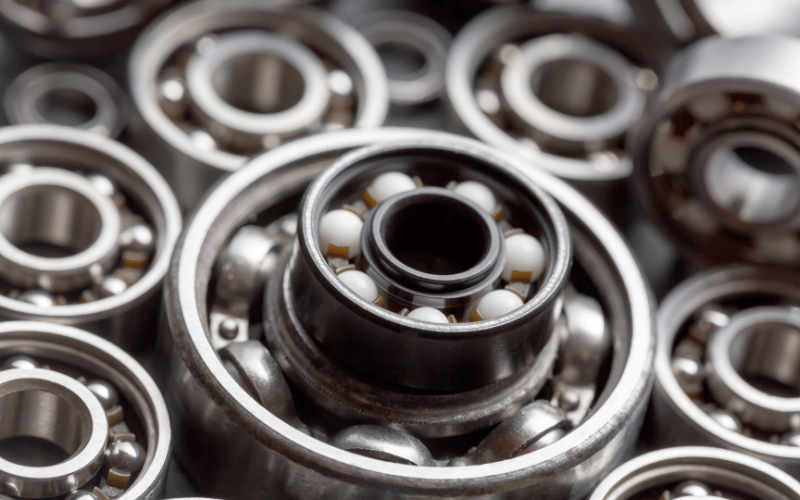
Tips to Choose the Right Bearings for Your Vehicle: What to Look For
Introduction to Bearing Quality
Importance of Selecting High-Quality Bearings for Manufacturers
High-quality bearings are the unsung heroes of industrial machinery, enabling smooth, reliable operation. Selecting the right bearing can significantly impact productivity, maintenance costs, and safety. For manufacturers, the stakes are high; a poor choice can lead to frequent breakdowns, higher energy consumption, and even catastrophic machinery failure.
Quality bearings also play a crucial role in sustainability. They reduce wear and tear, prolonging the lifespan of machines and thereby minimizing waste. In the competitive marketplace, where efficiency and reliability dictate success, the importance of investing in top-notch bearings cannot be overstated.
Overview of Key Factors Influencing Bearing Quality
Several critical factors determine bearing quality:
- Materials used affect the bearing’s durability and performance.
- Manufacturing standards and certifications ensure that the bearings meet industry benchmarks.
- Rotation accuracy influences the precision and operational efficiency of machinery.
- Noise levels indicate the bearing’s internal integrity and smoothness of operation.
- Friction torque impacts energy consumption and overall bearing performance.
By understanding these elements, manufacturers can make informed decisions tailored to their specific applications and operational environment.
How This Guide Will Help in Understanding and Evaluating Bearing Quality
This guide aims to break down the complexities of bearing quality into digestible, actionable insights. It will delve into:
- Methods to measure and ensure high rotation accuracy.
- Techniques to evaluate and reduce noise levels in bearings.
- Tools and strategies for assessing and controlling friction torque.
- Insights into the best materials and manufacturing standards for premium bearings.
Whether you are a seasoned engineer or new to the field, this guide offers valuable knowledge to optimize your bearing selection process.
Understanding these aspects will empower you to choose bearings that not only meet but exceed the demands of your machinery, enhancing both performance and longevity.
Stay tuned as we unravel each factor in detail, equipping you with all the necessary tools for effective bearing selection.
Understanding Rotation Accuracy
Definition and Significance of Rotation Accuracy in Bearings
Rotation accuracy is a key measure of how precisely a bearing supports rotational motion. High rotation accuracy means that the bearing can allow for very smooth and consistent movements, minimizing deviations or vibrations. This accuracy is crucial for applications where even a slight wobble can lead to significant performance issues, such as in precision machining, robotics, and aerospace engineering. Poor rotation accuracy can result in increased noise levels, higher wear and tear, and ultimately a reduced lifespan of machinery.
Methods to Measure and Ensure Rotation Accuracy
There are several methods used to assess and ensure rotation accuracy in bearings. These include:
- Dimensional Inspection: The dimensions of the bearing components are measured using high-precision tools like micrometers and coordinate measuring machines. This ensures the parts fit precisely and can rotate without excess play or constraint.
- Radial Runout Measurement: Radial runout refers to the deviation of the inner or outer ring of the bearing as it rotates. This is measured using dial indicators or electronic sensors to ensure minimal deviation.
- Axial Runout Measurement: Axial runout is the deviation in the perpendicular plane, which is also measured using dial indicators. Both radial and axial runouts should be within specified tolerances for high rotation accuracy.
- Form Error Measurement: This involves analyzing the surface profiles of the bearing races and rolling elements to ensure they adhere to the desired geometrical specifications. Advanced techniques like roundness testing can be used here.
Maintaining high rotation accuracy during installation and operation also involves proper lubrication, securing the bearing correctly without misalignment, and regularly monitoring the bearing performance to detect and rectify any issues early.
Impact of Poor Rotation Accuracy on Machinery Performance
Poor rotation accuracy can have several detrimental effects on machinery:
- Vibration and Noise: As the bearing deviates from its ideal path, vibrations and noise increase. This not only contributes to a louder working environment but also indicates potential mechanical inefficiencies.
- Premature Wear: Inaccurate rotation can lead to uneven load distributions, causing certain parts of the bearing to wear out faster than others. This uneven wear accelerates the need for maintenance and part replacement.
- Energy Inefficiency: More effort is required to drive a bearing that does not rotate smoothly. This inefficiency can lead to higher energy consumption, reducing the overall efficiency of the machinery.
- Operational Downtime: Poor rotation accuracy can lead to mechanical failures, resulting in unexpected downtimes. This translates to a loss of productivity and increases operational costs.
Ensuring rotational accuracy is integral to maintaining high performance, longevity, and efficiency in machinery. Moving forward, it’s essential to consider noise levels as a critical component of bearing quality.
Evaluating Noise Levels
Why Noise Levels are Critical in Determining Bearing Quality
Noise levels in bearings aren’t just a minor inconvenience—they are a key indicator of performance and longevity. High noise levels can signify underlying problems such as misalignment, improper lubrication, or manufacturing defects. For manufacturers, maintaining low noise levels is crucial as it impacts both the perceived and actual quality of machinery. In essence, quieter bearings often correspond to better-built components that enhance machine performance and operator comfort.
Techniques to Test and Minimize Noise in Bearings
To ensure bearings operate quietly, manufacturers employ various testing methods:
Acoustic Emission Testing
This method involves using sensitive microphones and sensors to detect noise frequencies emitted by the bearing. By analyzing these frequencies, technicians can pinpoint the exact source of noise and address it.
Vibration Analysis
Vibration is closely tied to noise. Vibration meters help in recording and analyzing the vibrations that occur when the bearing is in operation. This method helps in identifying imbalances or defects that could cause noise.
Lubrication Strategies
Proper lubrication is vital for minimizing noise. Using the right type and amount of lubricant reduces friction and dampens unwanted sound. Periodic lubrication checks are essential to maintain low noise levels.
Effects of High Noise Levels on Machine Efficiency and Longevity
Ignoring noise issues can have far-reaching consequences on machinery:
Decreased Efficiency
High noise levels often indicate excessive vibration and friction, both of which can cause energy losses. This results in decreased operational efficiency and higher power consumption.
Premature Wear and Tear
Continuous high noise can lead to accelerated wear of bearing components. Over time, this not only shortens the bearing’s lifespan but also risks damage to other parts of the machinery.
Operational Downtime
Persistent noise issues eventually lead to bearing failure, resulting in sudden machine downtimes. This can disrupt production schedules and increase maintenance costs.
Understanding and controlling noise levels are essential steps in ensuring the performance and reliability of bearings. By prioritizing these aspects, manufacturers can significantly improve the overall quality and longevity of their machinery.
Assessing Friction Torque
Explanation of Friction Torque and Its Role in Bearing Performance
Friction torque refers to the resistance created between moving parts within a bearing assembly. It’s a critical factor that influences how efficiently the bearing operates. Essentially, friction torque affects energy consumption, heat generation, and wear and tear. When friction torque is minimized, the bearing can perform more smoothly and last longer, translating to better machine efficiency and reduced operational costs.
Tools and Techniques for Measuring Friction Torque
Understanding and evaluating friction torque requires precise tools:
- Torque Testers: These devices measure the rotational force needed to turn the bearing. They provide direct readings of friction torque and can be integrated into quality assurance processes.
- Dynamic Analyzers: These sophisticated instruments assess friction under varying conditions, mimicking real-world applications. They offer in-depth insights into bearing behavior under load and speed variations.
- Lubricant Analysis: Regularly checking the condition and effectiveness of lubricant can indicate changes in friction torque. Poor lubrication often leads to increased friction and should be addressed promptly.
Consequences of High Friction Torque on Energy Consumption and Wear
High friction torque in bearings can significantly impact machinery:
- Energy Consumption: Increased friction means more power is needed to maintain operations, leading to higher energy costs.
- Heat Generation: Excessive friction produces heat, which can degrade the bearing material and lubricant, reducing the overall lifespan.
- Wear and Tear: Continuous high friction accelerates wear, leading to frequent maintenance, replacements, and potential downtime.
By understanding and managing friction torque, manufacturers can optimize bearing performance and enhance machinery efficiency. This insight is crucial for maintaining high standards in production and ensuring long-term reliability.
Material and Manufacturing Standards
Common Materials Used in High-Quality Bearings
High-quality bearings rely on the selection of superior materials to ensure performance and longevity. Common materials include:
- Chrome Steel: Also known as SAE 52100, this material is widely used due to its hardness, strength, and wear resistance.
- Stainless Steel: Ideal for applications where corrosion resistance is crucial, such as in food processing or maritime environments.
- Ceramics: Often used for high-speed and extreme-temperature applications. Ceramic bearings are lightweight, non-magnetic, and corrosion-resistant.
- Polymer: Suitable for applications requiring low weight and high chemical resistance.
Choosing the right material is foundational to ensuring the bearing meets the operational demands of machinery effectively.
How Material and Manufacturing Affect Overall Bearing Quality
The selection of materials impacts factors like durability, corrosion resistance, and load capacity. Meanwhile, stringent manufacturing standards influence the precision and consistency of bearings. High-quality materials combined with rigorous manufacturing protocols result in bearings that exhibit superior performance, reduced wear, and longer life spans. This confluence of material and manufacturing excellence ensures that the bearings are capable of maintaining peak performance over extended periods, ultimately contributing to the efficiency of the machinery they are a part of.
Best Practices for Choosing Bearings
Tips for Selecting Bearings That Meet Rigorous Standards
Choosing the right bearings involves more than just matching specifications. It’s about ensuring they fit the application’s rigorous demands for both operational efficiency and longevity. Here are some top tips to guide you:
- Verify Material Compatibility: Different materials offer varying benefits. Chrome steel excels in strength and durability, whereas ceramics perform well at high speeds and temperatures. Select the material best suited to your specific application demands.
- Understand Load Requirements: Analyze the load that your bearings will need to support. Consider both dynamic and static loads and ensure the chosen bearings can handle these loads continuously without premature failure.
- Evaluate Operating Environment: Determine if your environment involves exposure to extreme conditions like high temperatures, corrosive elements, or significant contamination. Specific bearings are designed to withstand such harsh environments better.
Case Studies of Successful Bearing Applications
- Wind Turbines: High-quality bearings are essential for the reliable operation of wind turbines. By using chrome steel bearings with advanced sealing technology, a leading turbine manufacturer can extend the mean time between failures (MTBF), significantly reducing maintenance costs.
- Medical Equipment: Precision and low noise are critical in medical devices. A company specialized in high-speed centrifuges adopted ceramic bearings, resulting in quieter operations and increased equipment longevity, which also enhanced overall patient safety.
- Automotive Industry: A major automotive giant incorporated high-precision, low-friction torque bearings in their electric vehicles. This resulted in improved energy efficiency and a substantial increase in vehicle mileage per charge.
Conclusion
The world of bearing technology is constantly evolving, with new advancements tailored to meet increasingly complex demands. Staying updated on the latest developments can give you a competitive edge. Engage with Bearing World to get a better insight into quality bearings for your next project. They are the leading bearing distributor in Saudi Arabia.
-
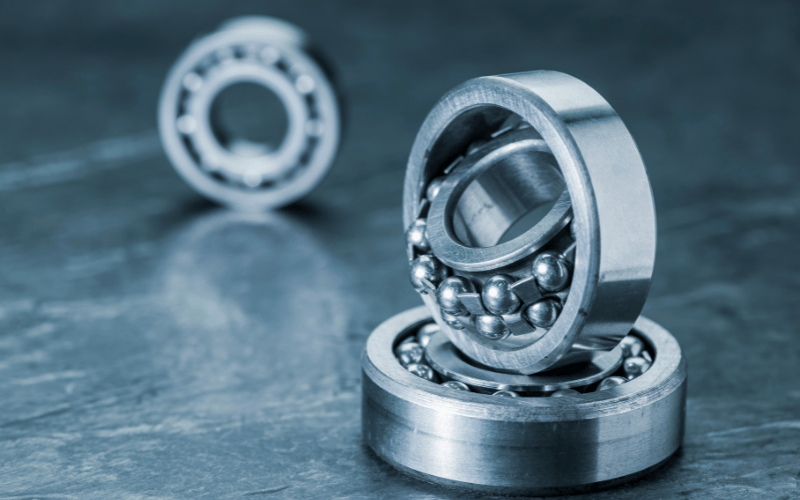
How Car Bearings Impact Your Driving Experience: What You Should Know
Understanding Automotive Bearings: The Hidden Heroes
Basic Function and Types of Bearings in Vehicles
Bearings are a fundamental component in the automotive world, ensuring that rotational parts move smoothly while minimizing friction. Their primary function is to support rotating shafts and manage loads, whether radial, axial, or a combination of both. Different types of car bearings include ball bearings, roller bearings, and tapered roller bearings, each designed for specific applications to handle varying load capacities.
How Bearings Contribute to Smooth Operation and Reduced Friction
Bearings play a crucial role in enhancing the efficiency and performance of vehicles. By reducing friction between moving parts, they ensure that less energy is lost as heat, leading to smoother operation and better fuel efficiency. This friction reduction is essential in minimizing wear and tear on the vehicle’s components, thereby decreasing maintenance costs and prolonging the lifespan of various parts.
Key Locations Where Bearings Are Used in Automobiles
Bearings are used in several critical areas within the vehicle:
- Wheel Hubs: Essential for smooth rotation of the wheels, ensuring stable and safe driving.
- Transmission Systems: Help in the efficient transfer of power from the engine to the wheels.
- Alternators: Ensure the rotation of the alternator, which is vital for the vehicle’s electrical system.
- Steering Mechanisms: Enable smooth turning and handling, critical for maneuverability.
Efficient operation in these areas underscores the importance of using quality bearings. As we explore the impact of bearings on vehicle performance, it becomes clear that attention to these hidden heroes can make a significant difference in overall vehicle functionality.
Critical Role in Vehicle Performance
Impact on Fuel Efficiency and Power Transmission
Automotive bearings are fundamental in optimizing your vehicle’s fuel efficiency and power transmission. By minimizing friction between moving parts, high-quality bearings ensure smoother operation, which translates to less energy required for movement. This reduction in energy consumption directly impacts fuel economy, allowing vehicles to travel further on less fuel, thereby enhancing efficiency.
When power is transmitted through the drivetrain, bearings facilitate the smooth transfer of energy from the engine to the wheels. High-quality bearings reduce torque loss, ensuring that more of the engine’s power is effectively used for propulsion. This efficiency not only improves acceleration but also reduces the strain on the engine, contributing to prolonged engine life and better vehicle performance.
Relationship Between Bearing Quality and Vehicle Handling
Bearing quality has a profound effect on vehicle handling. Superior bearings provide consistent, reliable rotation and support, which are paramount for precise steering and stability. Low-quality bearings, on the other hand, can introduce play and misalignment, leading to poor handling characteristics such as vibration, noise, and erratic steering response.
High-quality bearings ensure that the wheels maintain their proper alignment with the suspension, enabling the vehicle to respond accurately to driver inputs. This precision in handling not only contributes to a better driving experience but also enhances safety by ensuring that the vehicle remains predictable and controllable in all driving conditions.
How Bearings Affect Overall Vehicle Longevity
Investing in premium bearings significantly impacts the overall longevity of the vehicle. High-quality bearings are designed to withstand greater loads and harsher conditions, providing durable performance over time. These bearings reduce wear and tear on associated components, such as the axle, hub, and transmission, thus preventing premature failures and costly repairs.
Durable bearings maintain their integrity and function, even in demanding environments, ensuring that the vehicle’s critical systems operate smoothly throughout its lifespan. By reducing the frequency of necessary maintenance and replacements, premium bearings contribute to lower long-term ownership costs and extend the usable life of the vehicle.
Proper attention to bearings not only enhances performance and fuel efficiency but also plays a crucial role in vehicle lifespan and handling. Understanding these connections helps in making informed choices about automotive maintenance and investment.
Safety Implications of Bearing Maintenance
Warning Signs of Failing Bearings
Detecting the early warning signs of failing bearings is crucial for ensuring vehicle safety. Unusual noises such as grinding, clicking, or humming sounds often indicate that a bearing is deteriorating. Additionally, increased vibration, uneven tire wear, or a noticeable decrease in steering smoothness can signal potential bearing issues. Drivers should also be alert to any changes in the vehicle’s handling or performance, which could signify underlying bearing problems. Recognizing these symptoms early helps mitigate further damage and ensures timely maintenance.
Potential Risks of Neglected Bearing Maintenance
Neglecting bearing maintenance poses significant risks. Failing bearings can lead to severe mechanical breakdowns, resulting in costly repairs and potentially dangerous driving conditions. For instance, a worn-out wheel bearing can cause the wheel to wobble or even detach, leading to accidents. Compromised bearings in critical components like the transmission or steering system can also lead to loss of vehicle control. Beyond safety threats, neglected bearings reduce fuel efficiency and increase wear on other parts, escalating overall maintenance costs.
How Proper Bearing Maintenance Prevents Accidents
Regular bearing maintenance is essential for vehicle safety and performance. Proper lubrication and routine inspections ensure that bearings operate smoothly and efficiently. Using high-quality lubricants reduces friction and wear, prolonging the bearing’s life. Scheduled inspections help identify and rectify minor issues before they escalate into major bearings failures. By adhering to a strict maintenance regimen, drivers can prevent accidents, enhance vehicle handling, and extend the lifespan of their automobile.
A well-maintained bearing system not only guarantees safe, reliable transportation but also contributes to a more cost-effective ownership experience.
Why Quality Matters: Premium vs. Budget Bearings
When it comes to automotive bearings, the saying “you get what you pay for” rings especially true. Investing in premium bearings can yield significant benefits over their budget counterparts, directly impacting costs, performance, and overall vehicle reliability.
Long-Term Cost Benefits of Investing in Quality Bearings
While premium bearings might come with a higher initial price tag, they offer remarkable long-term savings. Quality bearings are built to precise standards using superior materials, which reduces the likelihood of premature failure. This longevity minimizes the frequency of replacements and repairs, which can add up substantially over the life of a vehicle. Additionally, high-end bearings often come with extended warranties, providing further peace of mind and financial protection.
Performance Differences Between Premium and Budget Options
The performance disparity between premium and budget bearings cannot be overstated. Premium bearings are engineered for optimal performance, offering smoother rotation, less friction, and better heat dissipation. This translates to more efficient power transmission and improved vehicle handling. On the other hand, budget bearings often compromise on materials and design, leading to increased friction, quicker wear, and a higher chance of failure under stress.
Impact on Vehicle Reliability and Maintenance Frequency
Using premium bearings enhances vehicle reliability. The superior construction quality and better tolerances mean that these bearings are less likely to succumb to the stresses and strains of daily driving or harsh conditions. Consequently, vehicles equipped with premium bearings experience fewer breakdowns and require less frequent maintenance. This reliability not only extends the vehicle’s lifespan but also ensures a consistently safe driving experience.
By choosing premium bearings, you invest in the overall health and performance of your vehicle. This chapter underscores why premium bearings are worth the investment, highlighting their long-term cost benefits, superior performance, and positive impact on vehicle reliability.
Proper Lubrication Techniques and Importance
Lubrication is critical to the functionality and lifespan of automotive bearings. Using the correct type and amount of lubricant can drastically reduce friction and prevent excessive heat buildup. Here’s how to lubricate different bearings:
- Grease Application: For wheel and roller bearings, high-quality automotive grease is essential. Apply generously and avoid over-packing.
- Oil Lubrication: Ball bearings in transmission systems often need specific oils. Always use what the manufacturer recommends.
Regular lubrication minimizes metal-to-metal contact, ensuring smooth rotations and preventing premature failure. This not only enhances performance but also protects other vehicle components from undue stress.
Professional Inspection Requirements
To complement routine maintenance, professional inspections are fundamental. A certified mechanic can identify early signs of bearing wear or damage that might not be visible to the untrained eye. Key areas they’ll assess include:
- Noise and Vibration: Escalated levels often indicate bearing issues.
- Play in the Wheels: Excessive movement suggests potential bearing failure.
- Physical Condition: A visual check for cracks, rust, and dirt ingress.
Regular professional inspections, typically during tire rotations or oil changes, ensure that any issues are caught early, thus avoiding costly repairs down the line and maintaining safety.
By maintaining a diligent maintenance schedule, performing proper lubrication, and undergoing regular professional inspections, you effectively safeguard your vehicle. This practice not only extends the life of bearings but also ensures the overall reliability and safety of your automobile.
Bearing World: Your Trusted Partner in Saudi Arabia
Overview of Bearing World’s Premium Product Range
Bearing World stands as a premier provider of high-quality automotive bearings in Saudi Arabia. Specializing in a wide range of products, Bearing World ensures that each bearing meets stringent standards for performance and durability. Their extensive catalog includes:
- Wheel bearings
- Transmission bearings
- Alternator bearings
- Steering system bearings
Each product is sourced from reputable manufacturers, ensuring only the best components reach your vehicle. By offering premium bearings, Bearing World aims to boost your car’s efficiency and longevity.
Comprehensive Bearing Maintenance Services Offered
Bearing World provides an array of bearing maintenance services designed to keep your vehicle in peak condition. Services include:
- Regular inspection and diagnostics
- Advanced lubrication techniques
- Timely replacements with OEM-quality parts
Their team of experts employs state-of-the-art diagnostic tools to identify potential bearing issues before they lead to severe problems. The comprehensive maintenance approach ensures that your vehicle runs smoothly, efficiently, and safely.
Expertise in Automotive Bearing Solutions and Customer Support
The team at Bearing World boasts unparalleled expertise in automotive bearings. They offer personalized consultation to help you select the right bearings for your vehicle’s specific needs. Additionally, their customer support is always available to assist with any queries or concerns, reinforcing their commitment to superior service and customer satisfaction.
With Bearing World, you are assured of reliable solutions that not only meet but exceed your expectations, setting the stage for exceptional vehicle performance.
-
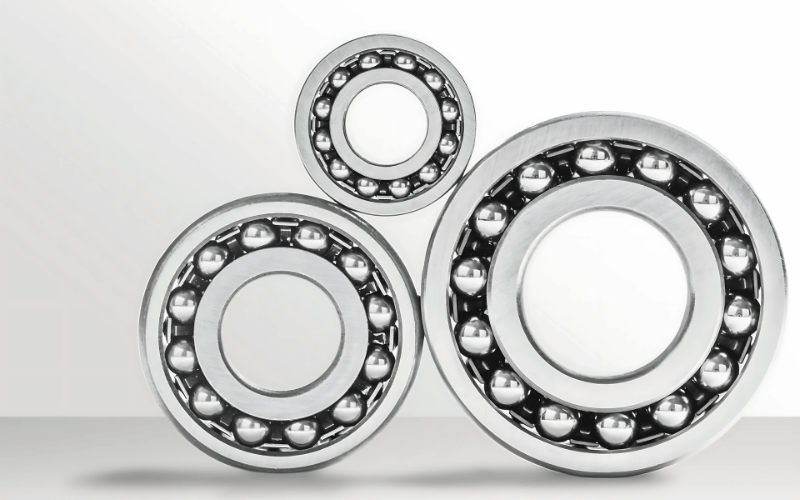
5 Key Factors When Choosing the Right Ball Bearing for Your Application
Introduction to Ball Bearings
Impact of Ball Bearings on Industrial Efficiency and Productivity
Ball bearings stand as pivotal components in various industries, directly impacting efficiency and productivity. By reducing friction between moving parts, they enhance operational smoothness, leading to significant energy savings and reduced wear and tear. Their introduction has allowed machinery to operate at higher speeds and with greater reliability, which in turn boosts overall industrial productivity.
Fundamental Components and Working Principles of Ball Bearings
At their core, ball bearings consist of four major components: the inner ring, the outer ring, the balls, and the cage. The inner ring fits on the rotating shaft, while the outer ring is fixed to the housing. The balls, typically made of steel, ceramic, or other alloys, rotate within a cage that maintains the balls’ separation and ensures even load distribution. This design minimizes friction and permits smooth rotational motion with minimal resistance.
Ball bearings operate on the principle of rolling motion rather than sliding motion, which dramatically reduces friction. The balls carry the load, minimizing surface contact and consequentially the frictional resistance, transforming more input energy into rotational movement efficiently.
Common Applications Across Automotive, Aerospace, and Manufacturing Sectors
Ball bearings are ubiquitous across several high-stakes industries. In automotive applications, they are crucial in gearboxes, engines, and wheels, enhancing performance and durability. In the aerospace sector, ball bearings are indispensable for jet engines and cockpit instruments, where their reliability can mean the difference between success and failure. Moreover, the manufacturing sector relies on ball bearings in machinery such as CNC machines, robotics, and conveyor systems, ensuring smooth operations and reducing downtime.
By playing a critical role in these diverse industries, ball bearings not only promote more efficient and productive operations but also contribute to the longevity and reliability of essential machinery and equipment.
Next, we delve into understanding the central concept of load capacity, a fundamental aspect in choosing the correct ball bearing for specific applications.
Understanding Load Capacity
Difference Between Static and Dynamic Load Ratings
Load capacity is a pivotal factor in selecting the appropriate ball bearing for an application. There are two main types of load ratings to consider: static and dynamic.
Static load rating measures the maximum load a bearing can endure without causing permanent deformation to its components. This is crucial when the bearing is subjected to heavy loads while stationary or during slow oscillations. On the other hand, dynamic load rating pertains to the maximum load a bearing can support while in motion. This rating is integral to ensuring the bearing’s integrity and lifespan under continuous rotation or linear movement.
How to Calculate Required Load Capacity for Specific Applications
Determining the required load capacity for a specific application involves several steps:
Identify Load Types: Determine if the application involves static or dynamic loads.
Factor in Safety Margins: Incorporate safety factors to account for unexpected load increases or operational conditions.
Match with Bearing Rating: Compare the equivalent load with the manufacturer’s specified load ratings to select an appropriate bearing.
Real-World Examples of Load Capacity Requirements in Different Industries
Different industries have unique load capacity requirements based on their operational demands.
In the automotive sector, wheel bearings need high dynamic load ratings to withstand continuous motion and varying weights from the vehicle.
The aerospace industry requires bearings with both high static and dynamic ratings due to the extreme conditions faced during take-off, flight, and landing.
For manufacturing machinery, bearings need robust static load ratings, especially in equipment that carries heavy static weights intermittently.
Understanding these specific needs ensures that the selected bearing enhances operational efficiency and longevity.
To further refine your choice of ball bearing for your industrial application, understanding the relationship between speed ratings and performance is the next crucial step.
Speed and Performance Considerations
When selecting ball bearings, speed and performance are critical. These factors not only influence the choice of a bearing but also its operating longevity, efficiency, and reliability in various industrial applications.
Relationship Between Speed Ratings and Bearing Performance
The speed rating of a ball bearing indicates the maximum rotational speed it can sustain without compromising performance. This rating is generally defined by the bearing’s design, materials, lubrication, and precision. Bearings with higher speed ratings tend to offer superior performance, ensuring smoother operation and longer life spans. This is particularly important in high-speed applications where insufficient speed ratings can lead to overheating, excessive wear, or premature failure.
Factors Affecting Maximum Operational Speed
Several factors can impact the maximum operational speed of a bearing:
Bearing Design: The design plays an integral role, including the internal geometry, size, and type of ball bearings.
Materials: Bearings made of advanced materials like ceramics or hybrids can typically achieve higher speeds than traditional steel bearings.
Lubrication: The type and quality of lubrication directly affect friction and heat generation, thus influencing speed capacity.
Precision Levels: Higher precision bearings (e.g., ABEC-7 or ABEC-9) allow for smoother and more stable rotation at higher speeds.
Environmental Conditions: External factors such as temperature, contamination, and moisture levels can also affect the speed rating.
Selecting Bearings for High-Speed Applications
Choosing the right bearing for high-speed applications involves careful consideration of all the above factors to ensure optimal performance. Applications like high-speed machine tools, automotive engines, and aerospace turbines require bearings that can handle extreme rotational speeds with minimal friction and heat.
When selecting a bearing for high-speed use, consider the following:
Evaluate Speed Ratings: Start by checking the manufacturer’s listed speed ratings and ensure they align with your application’s requirements.
Material Choice: Opt for advanced materials like ceramic or hybrid bearings for higher speed capacities and better heat dissipation.
Precision Grade: Choose higher precision grades to ensure stable and reliable performance at high speeds.
Lubrication Requirements: Ensure that the lubrication type and maintenance plan are suitable for achieving and maintaining high operational speeds.
Operational Environment: Factor in environmental challenges and ensure the chosen bearing can withstand conditions such as high temperatures or contamination.
Understanding these considerations will equip you with the knowledge to select the most suitable ball bearing, ensuring efficient and reliable high-speed operation in your industrial applications.
Environmental Factors and Protection
Impact of Temperature, Moisture, and Contamination on Bearing Life
Ball bearings operate under diverse environmental conditions, which significantly impact their lifespan and performance. Temperature fluctuations, moisture, and contamination are crucial factors to consider when selecting ball bearings for industrial applications.
Temperature: High temperatures can degrade lubrication and lead to thermal expansion, causing increased wear and reduced efficiency. Conversely, low temperatures may cause materials to become brittle, risking fracture under stress.
Moisture: Exposure to moisture, especially in the form of humidity or direct contact with liquids, can lead to corrosion. Corrosion not only decreases bearing efficiency but also significantly shortens its service life.
Contamination: Contaminants such as dust, dirt, and debris can infiltrate the bearing, causing pitting, scoring, and accelerated wear. These contaminants often result in premature failure if not adequately addressed.
Sealing Solutions for Different Environmental Conditions
Sealing solutions are essential for protecting ball bearings from harmful environmental factors. Various sealing technologies are tailored to address specific conditions.
Contact Seals
- Rubber Seals: Commonly used to keep out dirt and moisture, rubber seals create a tight barrier but may cause friction at high speeds.
- Metal Shields: Provide moderate protection against contaminants. Ideal for applications where some debris is expected but not excessive.
Non-Contact Seals
- Labyrinth Seals: Consist of interlocking grooves that trap contaminants. Suitable for high-speed applications due to minimal friction.
- Magnetically Enhanced Seals: Use magnetic fields to create a contamination-resistant barrier, offering excellent protection in precision applications.
Material Selection Based on Environmental Challenges
Material selection is paramount when facing environmental challenges. Different materials offer distinct advantages and drawbacks depending on the conditions they will confront.
Steel Bearings: Versatile and robust, steel bearings are a common choice for most applications. However, they are susceptible to corrosion when exposed to moisture.
Ceramic Bearings: Resistant to high temperatures and electrical insulation, ceramic bearings excel in environments with extreme heat or electric currents. They offer superior wear resistance but come at a higher cost.
Hybrid Bearings: Combine steel races with ceramic balls, offering a balanced approach. They provide enhanced performance in adverse conditions while maintaining cost-efficiency relative to full ceramic bearings.
Understanding the environmental impacts and selecting appropriate sealing solutions and materials are essential steps for maximizing the longevity and efficiency of ball bearings within industrial applications.
Material Selection and Durability
Comparison of Common Bearing Materials
When selecting ball bearings, understanding the different materials available is crucial for optimizing performance and longevity.
Steel Bearings
Steel, particularly chrome steel, is the most common material used in ball bearings. It offers high load capacity, hardness, and resistance to wear and fatigue. However, its performance can degrade in high-temperature environments, and it is susceptible to corrosion in moist conditions.
Ceramic Bearings
Ceramic bearings, typically made from silicon nitride, are lighter and harder than steel bearings. They perform exceptionally well in high-speed and high-temperature applications and offer excellent corrosion resistance. While they are more expensive than steel bearings, their extended service life and reduced maintenance needs often justify the higher initial cost.
Hybrid Bearings
Hybrid bearings combine steel races with ceramic balls, offering a balance between the benefits of steel and ceramic materials. They provide improved speed and temperature capabilities compared to full steel bearings and are more affordable than full ceramic bearings. They are ideal for applications requiring higher performance without the higher cost associated with fully ceramic options.
Durability Factors and Expected Service Life
The durability of a ball bearing is influenced by several factors, including material properties, operational conditions, and environmental factors.
Material Properties: Hardness, toughness, and fatigue resistance determine how well the bearing can withstand operational stresses.
Operational Conditions: Load, speed, and lubrication significantly impact the bearing’s service life.
Environmental Factors: Contaminants, moisture, and temperature extremes can reduce bearing life by accelerating wear and corrosion.
By selecting the appropriate bearing material and addressing environmental and operational factors, the expected service life can be maximized.
Cost-Benefit Analysis of Different Material Options
Choosing the right bearing material involves considering both upfront costs and long-term benefits.
Steel Bearings: While more affordable initially, they may incur higher maintenance and replacement costs in corrosive or high-temperature environments.
Ceramic Bearings: Despite their higher initial cost, ceramics offer longer service life and reduced maintenance, providing better long-term value in demanding applications.
Hybrid Bearings: These offer a middle-ground solution, balancing cost and performance, making them suitable for a range of applications that require higher performance without prohibitive costs.
Selecting the right ball bearing material involves a careful evaluation of the operational environment, performance demands, and cost considerations. This critical decision ensures optimal bearing performance and longevity, contributing to overall industrial efficiency.
Tolerance Requirements for Different Industrial Uses
Tolerance refers to the allowable variation in a bearing’s dimensions and affects a bearing’s fit within machinery. High tolerance levels contribute to less friction and longer service life. Each industrial use has specific tolerance requirements:
Automotive: Bearings in vehicles must accommodate a range of loads and rotational speeds, necessitating medium to high tolerance precision.
Aerospace: Extreme precision is essential to manage critical loads and speeds, ensuring reliability in high-stress environments.
Manufacturing: Depending on the machinery, tolerances must be tight to prevent excessive wear and maintain high productivity levels.
By understanding these requirements, industries can select bearings that prolong machinery lifespan and enhance efficiency.
Impact of Precision on Bearing Performance and Cost
Precision directly impacts a bearing’s performance, affecting factors such as friction, noise, and overall lifecycle. High-precision bearings can significantly reduce operational wastage, lead to smoother rotations, and decrease the likelihood of breakdowns. However, achieving high precision comes at a cost:
Performance Benefits: Enhanced precision results in reduced friction and vibration, leading to lower energy consumption and quieter operations.
Cost Implications: Higher precision grades dramatically increase manufacturing costs due to stringent quality control and sophisticated production techniques.
Investing in high-precision bearings for critical applications can lead to long-term savings by minimizing maintenance costs and extending machinery life, despite the initial higher expenditure.
Selecting the right precision grade and tolerance levels is crucial for optimizing performance, longevity, and cost-efficiency. Making informed decisions about these parameters can profoundly affect the success and reliability of industrial applications.
Conclusion
Utilizing online calculators, adhering to industry standards, and choosing reputable manufacturers are vital steps in the ball bearing selection process. These practices ensure you find a solution that meets your application requirements while guaranteeing longevity and reliability. Visit Bearing World for more information on choosing the right ball bearings.
-
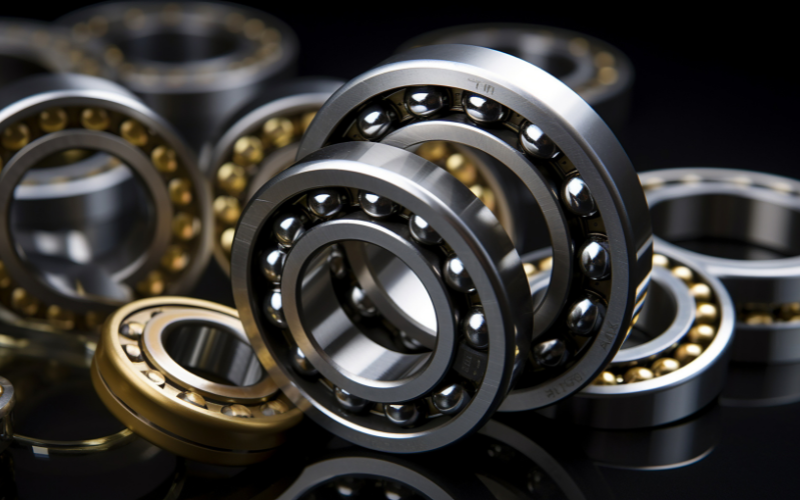
Top 4 Tips to Maximize the Lifespan of Your Ball Bearings
Ball bearings are essential components used in various machines, from automobiles to household appliances and industrial machinery. They minimize friction between moving components, improving both the efficiency and longevity of the equipment. However, the lifespan of ball bearings can be significantly shortened if they are not selected, installed, and maintained properly. This blog provides information about the essential tips to maximize the lifespan of ball bearings while discussing different types of ball bearings, their uses, common causes of failure, and how to troubleshoot issues.
Understanding Ball Bearings
Ball bearings are mechanical elements that help machines achieve smooth rotational or linear motion. They reduce friction between moving components, enabling smooth movement with minimal wear. Ball bearings come in many types, including deep groove ball bearings, ceramic ball bearings, linear ball bearings, miniature ball bearings, and steel ball bearings. Each type is designed for specific applications and load capacities.
- Deep Groove Ball Bearings: Known for their versatility and high load-bearing capacity, they are used in various industries, including transport and manufacturing.
- Ceramic Ball Bearings: These are lightweight, durable, and ideal for high-speed applications due to their heat resistance.
- Steel Ball Bearings: Commonly used in heavy-duty machinery due to their strength and durability.
- Miniature Ball Bearings: These are ideal for precision equipment such as medical devices and small appliances.
- Linear Ball Bearings: These bearings allow smooth linear motion in machine tools and robotics applications.
Understanding the correct type of ball bearing for your machinery is the first step to ensuring optimal performance and longevity.
Essential Tips for Extending the Life of Your Ball Bearings
-
Selection and Installation
Selecting the right ball bearing for your application is crucial for long-term performance. Start by evaluating the operating conditions, such as load, speed, temperature, and environment. For instance, ceramic ball bearings are ideal for high-speed environments, while steel ball bearings excel in heavy-load applications.
During installation, it is essential to avoid applying too much force, which can damage the bearing. Utilize appropriate tools and adhere to the instructions of manufacturer. Incorrect installation can lead to misalignment, one of the leading causes of bearing failure.
-
Lubrication and Maintenance
Proper lubrication is essential for minimizing friction and preventing overheating. Choose the appropriate lubricant based on the operating environment and load conditions. Both under-lubrication and over-lubrication can cause problems.
Regular maintenance is critical for prolonging the lifespan of ball bearings. Clean the surrounding areas and check for signs of wear or damage. Use contamination-free tools when handling bearings to avoid introducing particles that could lead to premature failure.
-
Operational Practices
The way your machinery operates can significantly affect the lifespan of ball bearings. Ensure that the machine operates within its designed capacity. Overloading the machinery places excessive stress on the bearings, leading to failure.
Avoid sudden starts or stops, which can place undue stress on the bearings. Maintain a balanced load on the machine to ensure the even distribution of forces. This helps to avoid early wear and damage to the bearings.
-
Monitoring and Diagnostics
Regular monitoring and diagnostic practices can help identify potential issues before they lead to failure. Use vibration analysis, temperature monitoring, and noise analysis to detect irregularities in the bearings’ operation.
For instance, increased vibration or noise levels could indicate misalignment or improper lubrication. Resolve these issues quickly to prevent additional damage. Advanced diagnostic tools can help predict bearing life and indicate when replacements are needed.
Common Causes of Bearing Failure and Troubleshooting
- Lubrication Issues
Improper lubrication is one of the most common reasons for bearing failure. To prevent this, ensure that the lubricant is clean and applied evenly. Over-lubricating can cause the bearing to overheat while under-lubricating increases friction. - Contamination
Foreign particles such as dirt, dust, and metal shavings can contaminate the bearing, leading to premature failure. Ensure the environment is clean and use contamination-free tools when handling the bearings. - Misalignment
Misalignment occurs when the bearing is not installed correctly. This can cause uneven wear on the bearings, leading to failure. Use precision tools during installation and regularly check alignment. - Overload
Overloading occurs when the bearing is subjected to forces beyond its capacity. This can happen due to excessive machine load or improper bearing sizing. Always ensure that the bearing is suitable for the load and speed of your machinery. - Improper Handling
Rough handling during installation or maintenance can cause dents, cracks, or other damage to the bearing. Handle bearings carefully, using the correct tools and techniques to prevent damage.
When to Replace Bearings and How to Choose the Right Ones
Ball bearings should be replaced when they exhibit signs of wear, such as heightened noise, vibration, or rising temperatures during use. When choosing replacement bearings, it is essential to consider factors such as load capacity, speed, operating environment, and lubrication requirements.
Selecting a high-quality ball bearing can significantly extend the life of your machinery. Steel ball bearings are ideal for heavy-duty applications, while ceramic ball bearings are better suited for high-speed, low-load environments.
Ball Bearing Applications: Where They Are Used
Ball bearings are utilized in numerous applications across various industries:
- Transport: Ball bearings are used in automotive engines, gearboxes, and wheels to ensure smooth movement and reduce friction.
- Appliances: Household appliances like fans, washing machines, and vacuum cleaners use miniature ball bearings to facilitate smooth operation.
- Industrial and Manufacturing: In heavy machinery and manufacturing processes, ball bearings ensure the efficient operation of equipment, reducing downtime and maintenance costs.
The use of high-quality ball bearings in heavy machinery extends the lifespan of equipment by reducing friction and wear. This leads to fewer breakdowns, reduced maintenance costs, and enhanced productivity.
Conclusion
Maximizing the lifespan of your ball bearings involves selecting the correct bearing, ensuring proper installation, maintaining lubrication, following good operational practices, and conducting regular monitoring. At Bearing World, they offer a wide range of high-quality ball bearings, including deep groove ball bearings, ceramic ball bearings, and linear ball bearings. Their products are crafted to cater to the requirements of different industries, providing dependable performance and reliability.
For more information on how their ball bearings can improve your machinery’s efficiency, visit www.bearingworld.com.sa.
-
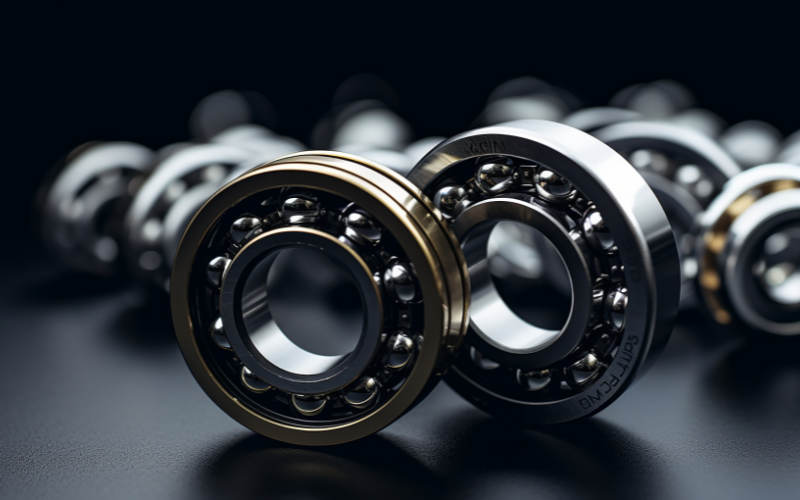
Car Bearing Failures: 5 Early Warning Signs You Should Not Ignore
Car bearings are crucial in ensuring the smooth functioning of various automotive components, particularly in the engine and wheel assembly. Over time, car bearings can wear down, leading to potential mechanical failures if not addressed promptly. This blog aims to provide information about what car bearings are, discuss five early signs of car bearing failure, delve into common causes of failure, and provide diagnostic tips. Additionally, we will highlight why Bearing World is a trusted provider of high-quality bearings.
Understanding What Car Bearings Are
Car bearings are mechanical components that support rotational or linear movement while reducing friction between moving parts. These bearings are vital in many areas of a vehicle, such as the wheels, engine, and transmission systems. Car engine bearings provide support and minimize friction between the crankshaft and engine block. Similarly, car wheel bearings ensure smooth and efficient wheel rotation. When these bearings fail, they can significantly damage the vehicle and cause expensive repairs. Thus, identifying early signs of failure is crucial to maintaining your car’s longevity.
5 Early Signs of Car Bearing Failure
Unusual Noises from the Engine or Wheels
Strange noises like grinding, whining, or humming can signify worn-out car bearings. These sounds often indicate lubrication issues or bearing wear. Investigate promptly to avoid further damage.
Vibrations or Shaking During Driving
A faulty car bearings may cause vibrations or shaking, especially at higher speeds. This happens due to disrupted wheel or engine rotation, potentially leading to more severe damage if left unchecked.
Increased Oil Pressure
Rising oil pressure may signal worn or damaged car engine bearings. As bearings degrade, they require more oil to reduce friction, increasing the pressure.
Overheating in the Engine or Wheels
Frequent overheating in the engine or wheels is another indicator of bearing failure. Increased friction causes heat buildup, which may require immediate attention.
Difficulty Steering or Handling the Vehicle
Worn-out bearings can impact steering and vehicle control. If your car feels less responsive, especially when turning, or if there is excessive steering play, the bearings may need replacement to prevent further damage.
What Causes Car Bearing Failure?
Several factors can lead to car bearing failure. Below are some of the most common causes:
- Insufficient Lubrication
Adequate lubrication is essential for ensuring the performance and durability of bearings, but without enough lubrication, friction increases, leading to excessive heat and wear. Over time, this may lead to early failure of the bearings. - Overloading
Excessive weight or force on a vehicle can overburden the bearings, leading to accelerated wear and failure. Always ensure your car operates within its recommended load capacity to avoid undue stress on the bearings. - Dirt and Contaminants
Foreign particles, such as dirt, dust, or water, can contaminate the bearing’s interior. Contaminants can hinder the bearing’s smooth operation, resulting in higher friction and wear. Proper seals and maintenance practices can help prevent this issue. - Misalignment
Improper installation or misaligned components can lead to uneven wear on the car bearings. Misalignment increases friction and stress on specific bearing parts, leading to early failure. Ensuring proper installation of the bearings is crucial to avoid such problems. - Normal Wear and Tear
Car bearings are subject to normal wear and tear over time, like any mechanical component. Regular use will eventually degrade the bearings, especially if they need to be appropriately maintained. Recognizing the signs of bearing wear and replacing them when necessary is critical to preventing more extensive damage.
How to Diagnose Failing Car Bearings
Diagnosing failing car bearings requires careful observation and testing. Here are some tips to help you identify potential bearing issues:
- Listen for Unusual Noises
As mentioned earlier, strange sounds from the engine or wheels clearly indicate bearing trouble. Pay attention to grinding, humming, or clicking sounds, especially when driving at higher speeds or turning corners. - Check the Oil Pressure
Checking your car’s oil pressure can offer important information about the condition of the engine bearings. If you notice an unexpected rise in oil pressure, it could mean that the bearings are worn and require replacement. - Inspect for Overheating
Frequent overheating of the engine or wheels may point to bearing problems. If your car consistently runs hot, it is essential to have the bearings inspected to prevent further damage. - Seek Professional Help
While several methods exist to identify bearing issues, consulting a professional mechanic is always a good idea. A professional can perform a thorough inspection and correctly diagnose the problem.
Why Bearing World Offers the Best Car Bearings
Bearing World is a reliable supplier of premium car bearings engineered to meet the requirements of diverse automotive applications. With a range of products, including car wheel bearings, and engine bearings, Bearing World ensures that your vehicle runs smoothly and efficiently. Our bearings are manufactured to the highest standards, providing reliability and performance in even the most challenging environments. Bearing World has the right solutions whether you need bearings for everyday driving or heavy-duty applications.
Conclusion
Understanding the signs of a car bearing failure and addressing them promptly is essential to maintaining the health of your vehicle. Unusual noises, vibrations, overheating, increased oil pressure, and difficulty steering are all warning signs that should not be ignored. By understanding the causes of bearing failure and diagnosing issues early, you can extend the life of your car and avoid costly repairs.
At Bearing World, they offer a wide selection of premium car bearings, including car engine and wheel bearings. Their products are engineered for durability, ensuring long-lasting performance for your vehicle. Visit www.bearingworld.com.sa to explore their full range of bearings and learn how they can help keep your car running smoothly.
- Insufficient Lubrication
-
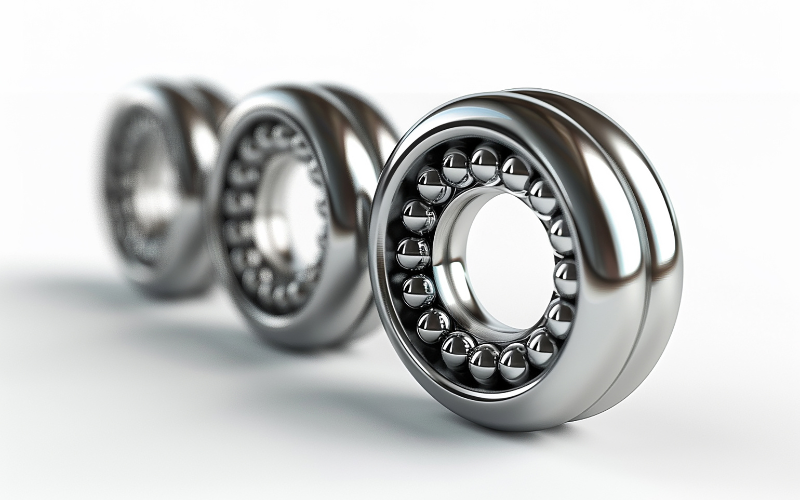
How to Identify 5 Common Bearing Problems and Fix Them Fast
Bearings are crucial components in almost all types of machinery. They allow smooth rotation and movement by reducing friction between moving parts. Bearings come in various designs and sizes, including bearing units, bearing housings, and bearing and housing assemblies, all with specific functions across automotive, manufacturing, and aerospace industries. However, these components can only succeed if adequately installed or maintained. This blog provides information about the common bearing problems, their causes, and the best ways to fix them quickly.
Understanding What Bearings Are
Bearings are mechanical components designed to facilitate the smooth rotation or movement of parts by minimizing friction between them. They allow shafts, axles, and other rotating parts to move efficiently. Bearings come in different types, including ball, roller, and thrust bearings, each suited for specific applications and load requirements.
The Functions of Bearings
Bearings play several critical roles in machinery:
- Reducing Friction: Bearings reduce friction between rotating parts, making movement smoother and more efficient.
- Supporting Loads: Bearings support radial and axial loads, preventing damage to other components.
- Enhancing Longevity: By minimizing wear, bearings extend the lifespan of machinery.
- Maintaining Alignment: Bearings ensure that rotating parts remain aligned, reducing the risk of equipment failure.
These functions make bearings indispensable in any system that involves rotation or linear motion.
5 Common Reasons for Bearing Failures
- Improper Installation
Improper installation is a leading cause of bearing failure. Misalignment during installation or using incorrect tools can cause internal stress on the bearing, leading to early failure. Following manufacturer instructions carefully and using proper tools to avoid misalignment is essential. - Contamination
Bearings are sensitive to dirt, dust, and other contaminants. Foreign particles can enter the bearing during installation or operation, causing increased friction and wear. Contamination can also lead to corrosion, which further damages the bearing. Ensuring a clean environment during installation and regular maintenance can help avoid this issue. - Overloading
Bearings have specific load capacities and exceeding them can result in early failure. Overloading causes excessive stress on the bearing components, leading to deformation, overheating, and premature wear. It is essential to select the correct bearing that can handle the operating load of your machinery. - Fatigue
Bearings are subject to fatigue when they experience repeated stress cycles over time. This can lead to cracks and material flaking, a condition known as spalling. Fatigue-related failure is often unavoidable, but regular inspection and timely replacement can help extend the bearing’s service life. - Wear Failure
Wearing occurs when bearings are not correctly lubricated or experience constant friction. This leads to material loss and eventual failure. Lack of proper lubrication, contaminated lubricants, or using the wrong type of lubricant can cause wear-related failures.
Preventing Bearing Failures
-
Proper Installation Techniques
Using the correct tools and ensuring proper alignment during installation is critical for avoiding premature bearing failures. Bearings must be installed with care to ensure they function optimally.
-
Contamination Control
Maintaining a clean environment during installation and operation helps prevent contamination. Using protective seals and cleaning the area around the bearings also reduces the risk of dirt or debris entering the bearing unit.
-
Effective Lubrication
Proper lubrication is crucial to preventing friction and wear. Always follow the manufacturer’s guidelines for the type and quantity of lubricant required. Regular lubrication maintenance ensures long-term performance and helps avoid wear failures.
Best Practices for Bearing Maintenance
- Regular Inspection
Inspect bearings regularly for signs of wear, misalignment, or contamination. Detecting issues early can help avoid more severe failures down the line. - Cleanliness
Keep the operating environment clean to minimize contamination. Regularly clean the bearing housing bore and other assembly parts to ensure proper operation. - Lubrication Management
Maintain proper lubrication levels based on the manufacturer’s guidelines. Choosing the appropriate lubricant and maintaining regular lubrication will ensure the smooth operation of the bearings. - Replacement of Damaged Bearings
If bearings show signs of wear or damage, replace them promptly. Operating machinery with failing bearings can lead to more severe damage to other components. - Monitoring Load Conditions
Monitor the load conditions to ensure bearings are adequately stressed. Overloading bearings will lead to early wear and failure, so maintaining proper load balance is essential.
Resolving Bearing Problems: A Path to Reliability and Efficiency
Addressing bearing issues promptly can significantly reduce downtime and prolong the lifespan of your equipment. Misalignment, contamination, and overloading are the most common culprits behind bearing failures, but these issues can be prevented with proper maintenance and installation practices. Regular inspections, monitoring lubrication levels, and ensuring correct installation techniques are vital to keeping bearings in optimal condition.
By resolving bearing problems early, you will save time and money and improve your machinery’s overall efficiency and reliability.
Bearing World’s Expertise in Bearings
At Bearing World, they specialize in providing high-quality bearings that meet the demanding needs of various industries. They offer a wide range of products that ensure reliability and long-lasting performance.
With years of experience in the industry, they understand the critical role bearings play in machinery. Their products are manufactured to the highest standards, ensuring they can withstand harsh conditions and deliver exceptional performance. Bearing World is your trusted provider of high-quality bearings in UAE and internationally. They pride themselves on offering excellent customer service and technical support to help you find the perfect bearing solutions for your needs.
Conclusion
Identifying and fixing common bearing problems such as improper installation, contamination, overloading, fatigue, and wear is essential to maintaining the efficiency of your machinery. Following best practices in installation and maintenance, such as using the correct tools, controlling contamination, and ensuring proper lubrication, can help extend the life of your bearings and reduce the likelihood of premature failures.
At Bearing World, they offer a wide range of bearings, and other related products to suit your needs. With their high-quality products and expert advice, they ensure your machinery operates efficiently and reliably. Visit www.bearingworld.com.sa to explore their full range of bearings and find the right solution for your equipment.
-
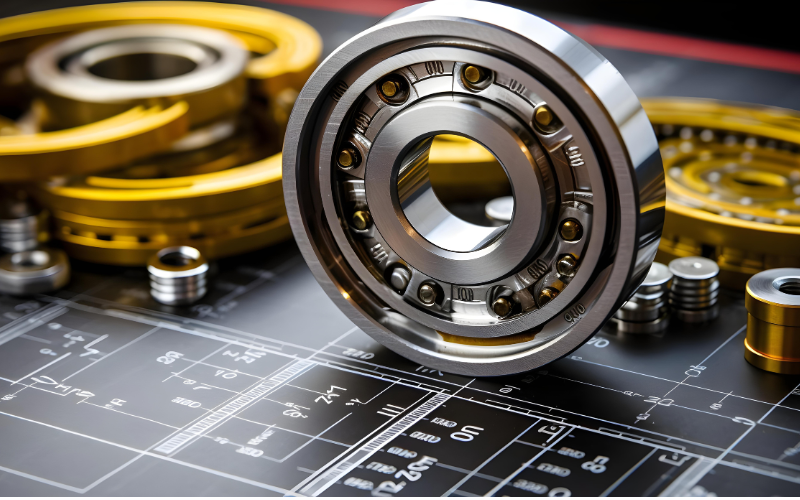
How to Spot the 5 Most Common Roller Ball Bearing Issues
Roller ball bearings are crucial in various machines to facilitate smooth rotation and reduce friction between moving parts. Roller ball bearings use spherical balls to reduce friction between moving parts, enabling smooth rotation. They are commonly used in light to medium load applications across various industries like automotive and manufacturing. These bearings can encounter various issues that may result in early failure if not adequately managed. This blog aims to provide information about how to spot the most common roller ball bearing problems, along with best practices for installation and maintenance to avoid failures.
Understanding Roller Ball Bearings
These bearings are designed to handle radial and axial loads, ensuring machinery runs efficiently. These bearings consist of rollers between two rings or races, reducing friction and wear between the moving parts. Cross, spherical, and conveyor roller bearings are common types used in various applications. Identifying issues early is critical to preventing further damage and ensuring long-term reliability.
5 Common Types of Roller Ball Bearing Failure
-
Deformations
Deformation occurs when excessive loads or impact forces cause the roller ball bearing to change shape. This can lead to uneven distribution of loads, which reduces efficiency and causes rapid wear. Deformation often happens when the bearing is overloaded or subjected to shock loads beyond its design capacity. Inspect bearings for any visible warping or flattening of rollers.
-
Fatigue Spalling
Fatigue spalling refers to the flaking or breaking off small pieces of the bearing’s surface. This happens as the bearing experiences repeated stress cycles, causing micro-cracks to develop on the surface. When spalling begins, it speeds up bearing wear and can cause complete failure if not addressed promptly. Regular inspection can help detect the early signs of spalling, which appear as pitted areas on the bearing surface.
-
Handling Damage
Roller ball bearings are sensitive to improper handling during transportation or installation. Dropping, hitting, or contaminating the bearings can cause surface damage, leading to malfunction. Handling bearings carefully and using clean tools during installation is essential to avoid scratches or debris entering the bearing.
-
Preload/Overload Damage
Incorrect preloading or overloading can cause significant damage to roller ball bearings. Preload refers to the force applied to the bearing to reduce internal clearance, ensuring proper function. However, too much preloading or overloading of the bearing can lead to excessive heat generation, friction, and wear. Monitor the load applied to the bearing to avoid premature failure.
-
Corrosion & Contamination
Contamination from dust, dirt, or water entering the bearing can cause significant damage by increasing friction. Corrosion, particularly in wet or humid environments, can weaken the bearing material and lead to failure. Ensuring proper sealing and using the correct lubrication can help prevent contamination and corrosion. Regular cleaning and inspection are also essential to maintaining bearing health.
Best Practices for Roller Ball Bearing Installation & Maintenance
-
Proper Installation Techniques
The correct installation of roller ball bearings is crucial for their long-term performance. Always utilize the proper tools to prevent damage to the bearing surface and avoid introducing contaminants. Avoid applying too much force during installation, which can cause misalignment or deformation.
-
Regular Maintenance Checks
Routine inspections are necessary to keep roller ball bearings in optimal condition. Check for indications of wear, misalignment, or damage to the bearing. Regular maintenance checks should also include cleaning and lubricating the bearings according to the manufacturer’s recommendations. Maintenance reduces the risk of failure and extends the lifespan of bearings.
-
Using the Right Lubrication
Lubrication is vital in reducing friction and heat within roller ball bearings. Ensure you use the correct lubricant based on the operating environment and manufacturer’s guidelines. Over-lubrication can cause excess heat, while under-lubrication leads to increased friction. Proper lubrication helps maintain bearing performance and prevents premature failure.
How to Avoid Premature Bearing Failure
-
Selecting the Right Bearing
Choosing the correct roller ball bearing for your application is the first step to preventing failure. Consider factors such as load, speed, and operating environment. For instance, needle roller bearings are suitable for high-load, low-speed applications, while tapered roller bearings work well for handling heavy radial and axial loads.
-
Installing the Bearing Properly
Proper installation ensures that the roller ball bearing functions as intended. Ensure the bearing is aligned correctly and the load is evenly distributed across the rollers. Avoid applying too much preload or stress during installation to prevent internal damage.
-
Lubricating the Bearing According to the Manufacturer’s Guidelines
Follow the manufacturer’s recommendations when lubricating roller ball bearings. Use the appropriate type and amount of lubricant for your specific application. Maintaining the proper lubrication schedule will reduce wear and tear and prolong the bearing’s life.
Resolving Roller Ball Bearing Challenges: A Path to Efficiency and Reliability
Addressing joint roller ball bearing issues such as deformation, spalling, and contamination early can lead to significant cost savings and increased efficiency. Regular maintenance, proper lubrication, and correct installation practices are essential to resolving these challenges. When bearings are installed and maintained according to best practices, they provide reliable performance, reduce downtime, and improve overall machine efficiency.
Bearing World’s Expertise in Bearings
At Bearing World, we provide high-quality roller ball bearings designed for various industries, including automotive, aerospace, and manufacturing. Our wide range of bearings, including cylindrical, spherical, and needle roller bearings, ensures that we have the right product for your specific needs. We are committed to delivering reliability, durability, and performance in every bearing we offer.
With years of experience and a strong reputation in the bearings industry, Bearing World is your trusted partner for all bearing solutions. Their products are crafted to the highest standards, guaranteeing excellent performance even under challenging conditions.
Conclusion
Understanding and addressing roller ball bearing issues early is crucial to maintaining the performance and longevity of your machinery. From deformation and spalling to handling damage and contamination, recognizing these signs of failure allows for timely intervention. Proper installation, regular maintenance, and suitable lubricant are vital to avoid bearing failure.
At Bearing World, they offer a wide selection of roller ball bearings and other bearing types to meet the diverse needs of various industries. Whether you need tapered roller bearings for heavy loads or cylindrical roller bearings for precision equipment, they provide high-quality products that ensure reliability and efficiency. Visit www.bearingworld.com.sa to explore their full range of bearings and learn how they can support your business with top tier bearing solutions.
-
-
Choosing the Right SKF Bearing: 5 Things You Must Know
Selecting the correct SKF bearing for your application is crucial for ensuring the efficiency and longevity of your machinery. Bearings play a vital role in reducing friction and carrying loads in rotating or oscillating machinery, and SKF, a leading manufacturer, offers a wide range of bearings suitable for various applications. Here are five essential considerations when choosing the right SKF bearing.
- Understand Load Requirements : The first step in choosing the right SKF bearing is understanding the load requirements of your application. Bearings are designed to handle different types of loads: radial, axial, or a combination of both. Radial loads act perpendicular to the shaft, while axial loads act parallel to it. Depending on the application, the bearing may need to support one type of load or both. <.For example, cylindrical roller bearings are excellent for high radial loads but not suitable for axial loads. On the other hand, thrust bearings, such as SKF thrust ball bearings and spherical roller thrust bearings, are designed to support axial loads. Understanding the specific load requirements will help you select a bearing that can handle the expected stresses without premature wear or failure.
- Consider Operating Speed : The speed at which your machinery operates is another critical factor in bearing selection. Different bearings are designed to perform optimally at different speeds. High-speed applications require bearings that can minimize friction and heat generation, which can lead to wear and failure.
For high-speed applications, SKF provides super-precision bearings that are designed to reduce friction and heat buildup, ensuring smooth and efficient operation. Conversely, for applications that operate at lower speeds but require the ability to handle larger forces, such as tapered roller bearings, SKF offers bearings that provide the necessary support and durability. - Evaluate the Application Environment : The environment in which the bearing operates significantly impacts its performance and lifespan. Factors such as temperature, contamination, and the potential for misalignment should be considered when selecting a bearing. For instance, in environments with high temperatures or corrosive conditions, selecting a bearing made from materials resistant to heat and corrosion is vital.SKF bearings are available in various materials and designs to suit different environmental conditions. Spherical roller thrust bearings, for example, can handle misalignment and are suitable for harsher environments, making them ideal for applications where shaft alignment is a challenge, such as in conveyor systems or large-scale industrial machinery.
- Determine Size and Space Constraints : The physical space available for the bearing is another crucial consideration. The bearing must fit within the designated area, considering both the shaft and housing dimensions. This includes not just the diameter and width of the bearing but also any space needed for lubrication and seals. SKF offers a range of bearings in various sizes to accommodate different space constraints. Selecting a bearing that fits well within your machinery’s design is essential to ensure optimal performance and prevent issues such as overheating or excessive wear.
- Maintenance and Longevity : Finally, consider the maintenance requirements and expected lifespan of the bearing. Some bearings are designed for long service life with minimal maintenance, while others might need more frequent attention. Regular maintenance activities, such as lubrication and alignment checks, are essential to extend the life of the bearing and ensure reliable operation.SKF distributors provide bearings designed for durability and ease of maintenance, helping to reduce downtime and extend the lifespan of your machinery. Understanding the maintenance needs of different bearing types can help you select one that aligns with your operational and maintenance capabilities.
Conclusion
Choosing the right SKF bearing involves carefully evaluating various factors, including load requirements, operating speed, environmental conditions, size constraints, and maintenance needs. By considering these factors, you can select a bearing that not only meets your application’s needs but also contributes to the overall efficiency and reliability of your machinery.
For those looking to purchase SKF bearings, Bearing World is a trusted supplier offering a wide range of SKF bearings suitable for various industrial and automotive applications. Their knowledgeable team can help you find the right bearing for your needs and provide valuable support and advice, ensuring you get the most out of your investment. -
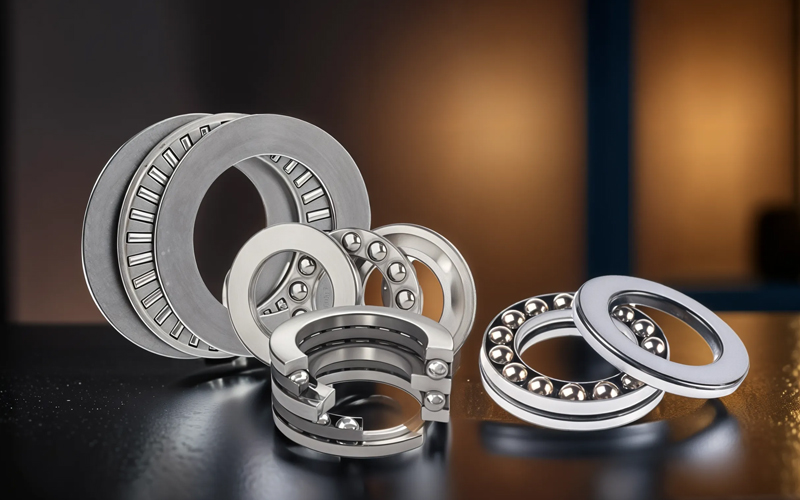
How to Use Thrust Bearings to Improve Equipment Longevity
Thrust bearings are critical components in many industrial applications, essential in managing axial loads and ensuring smooth, efficient operation. Understanding how to use thrust bearings effectively can significantly enhance the longevity and reliability of your equipment. This blog aims to provide information about the different types of thrust bearings, their impact on high-speed management, and how they can improve equipment longevity. We will also discuss Bearing World’s SKF thrust bearing offerings, providing insights into why these products are the best choice for your needs.
Understanding Thrust Bearings
Thrust bearings are engineered to manage axial loads, which are forces aligned parallel to the shaft. Unlike radial bearings that manage loads perpendicular to the shaft, thrust bearings ensure that rotating parts stay aligned and function efficiently under axial stress. They are used in various applications, including automotive, industrial machinery, and aerospace, where they help reduce friction and wear, extending the lifespan of equipment.
Types of Thrust Bearings
When considering how to use thrust bearings, it is crucial to understand the different types available. Each type is designed for specific applications and load capacities.
- Thrust Ball Bearings
These bearings consist of two bearing discs with raceways that accommodate balls. They are primarily used in low-speed applications where the axial load is light. The simplicity of their design makes them ideal for applications requiring moderate load-carrying capacity and high precision. - Thrust Cylindrical Roller Bearings
These bearings are intended for use when a high load-bearing capacity is necessary. The cylindrical rollers enable the bearings to support large axial loads and provide high stiffness. Thrust cylindrical roller bearings are commonly utilized in gearboxes, cranes, and heavy machinery, where significant axial load support is required. - Thrust Spherical Roller Bearings
Thrust spherical roller bearings are perfect for scenarios that demand the management of axial and radial loads. These bearings have a self-aligning feature that allows them to operate under misalignment conditions, making them suitable for heavy-duty applications like wind turbines, marine propulsion systems, and industrial pumps.
The Impact of Thrust Bearings on High-Speed Management
Thrust bearings play a significant role in high-speed management by reducing friction and preventing overheating. When equipment operates at high speeds, the axial loads exerted can cause considerable wear and tear if not appropriately managed. By using thrust bearings, especially SKF thrust bearings, you can ensure that these loads are evenly distributed, reducing the risk of damage and extending the life of the components.
The design and material of thrust bearings, particularly those offered by SKF, are optimized for high-speed applications. SKF thrust bearings are made from high-quality materials that resist wear and maintain performance even under extreme conditions. This makes them ideal for industries with critical high-speed operation, such as aerospace, automotive, and industrial machinery.How to Use Thrust Bearings to Improve Equipment Longevity
To maximize the benefits of thrust bearings and improve the longevity of your equipment, it is essential to follow best practices in their use. Here are some key considerations:
- Correct Installation : Ensuring correct installation is critical to the optimal performance of thrust bearings. Ensure the bearing is aligned correctly with the shaft and housing to prevent uneven load distribution. Misalignment can lead to early wear and shorten the lifespan of the bearings.
- Regular Maintenance : Consistent inspection and upkeep of thrust bearings are vital to promptly identifying any signs of wear or damage. Lubrication is essential; using the right type and amount of lubricant can significantly reduce friction and wear, enhancing the bearing’s longevity.
- Appropriate Load Management : Ensure the thrust bearings are not subjected to loads beyond their specified capacity. Overloading can lead to bearing failure, while underloading can cause skidding and increased wear. SKF thrust bearings, recognized for their dependability and ability to carry heavy loads, can assist in minimizing these risks.
- Environmental Considerations : The operating environment can significantly influence the performance and lifespan of thrust bearings. Protecting the bearings from contaminants like dust, moisture, and chemicals is essential. Seals and shields can help keep out contaminants and ensure the bearings operate efficiently.
The Role of Thrust Bearings in Various Applications
Thrust bearings are used across various applications due to their ability to handle axial loads efficiently. Some typical applications include:
- Automotive Transmissions
In automotive transmissions, thrust bearings help manage the axial loads generated by gears, ensuring smooth gear shifting and reducing wear on the transmission components. - Industrial Gearboxes
In industrial gearboxes, thrust bearings support the high axial loads during operation, particularly in high-torque applications. They ensure that the gears remain aligned, reducing the risk of damage and extending the life of gearbox. - Aerospace Engines
In aerospace engines, thrust bearings are critical in managing the high axial loads generated by turbine shafts. The ability of SKF thrust bearings to operate under extreme conditions makes them ideal for this application.
Why Choose Bearing World’s SKF Thrust Bearing Offerings
Bearing World is proud to offer a comprehensive range of SKF thrust bearings designed to meet the demands of various industries. SKF is renowned for its innovation, quality, and reliability, making its thrust bearings the preferred choice for many applications.
SKF Thrust Bearings Advantages
- High Load Capacity : SKF thrust bearings are engineered to handle high axial loads, making them ideal for heavy-duty applications.
- Durability : Made from premium materials, SKF thrust bearings are designed to withstand harsh operating conditions and provide long-lasting performance.
- Precision Engineering : SKF thrust bearings are manufactured precisely to ensure optimal performance and reliability in high-speed applications.
- Wide Range of Options : Bearing World offers a wide selection of SKF thrust bearings, including thrust ball bearings, thrust cylindrical roller bearings, and thrust spherical roller bearings. This ensures that you can find the correct bearing for your specific needs.
Conclusion
Understanding how to use thrust bearings effectively is critical to improving the longevity and performance of your equipment. By selecting the correct type of thrust bearing and following best practices in installation, maintenance, and load management, you can significantly enhance the lifespan of your machinery.
Bearing World’s SKF thrust bearing offerings provide the perfect solution for various applications, ensuring reliability, durability, and high performance. Whether dealing with high-speed machinery or heavy-duty equipment, SKF thrust bearings are the ideal choice to help you achieve your operational goals.
For more information on SKF thrust bearings and to explore the full range of products, visit Bearing World’s website at Bearing World. - Thrust Ball Bearings