Your cart is currently empty!
Category: Technical Insights
-
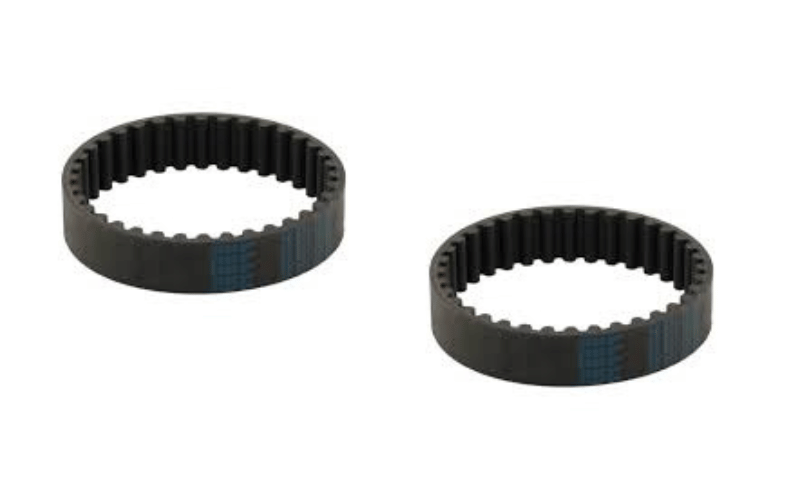
SKF Timing Belts: 5 Warning Signs You Need Immediate Maintenance
Industrial belts, particularly timing belts, are the unsung heroes of the industrial world. They ensure synchronized movement, drive critical functions, and keep the wheels of production turning. From the towering cranes that shape our skylines to the robust machinery that churns out vital resources, these belts are indispensable. They transfer power with accuracy, making them essential in a wide range of applications that demand precise timing. The dependability of these belts directly impacts the overall efficiency and lifespan of machinery, highlighting the importance of their regular inspection and maintenance.
The robustness of these systems often masks their vulnerability to wear and tear. Neglecting these critical components can lead to operational disruptions, costly repairs, and even dangerous failures. This is why businesses need a proactive approach to maintenance. This is where identifying the warning signs of wear in your SKF timing belts becomes paramount. Let’s delve deeper into the significance of these essential elements and how proactive maintenance can safeguard your operations.
The Critical Role of Timing Belt Maintenance
Timing belts, unlike their simple power transmission counterparts, play a vital role in synchronizing the motion between various parts of a machine. This meticulous choreography ensures that all components work together in harmony. Neglecting timing belt maintenance is akin to ignoring a ticking time bomb. When these belts wear out or become misaligned, the entire system can fall out of sync. This can lead to a domino effect, causing severe damage to the machinery, affecting its productivity and causing serious financial repercussions.
Unattended wear on your SKF timing belts can cause skipping or complete breakage. These can lead to engine damage, component misalignment and even complete machine failure. The cost of these problems is much more than the cost of preventative maintenance. Regular checks and timely replacements are essential for minimizing these risks and maintaining operational excellence. That’s why understanding the early signs of trouble is the first step to preventing expensive repairs.
Timing Belt Varieties and Their Applications
Different applications require different types of timing belts. Understanding these variations is essential to ensure optimal performance. Standard rubber belts are common in lower-load applications where flexibility is key. These provide a great balance of performance and cost-effectiveness. However, they are less suitable for heavy-duty applications.
For high-torque applications, reinforced belts made of materials like urethane or polyurethane with embedded cords are the go-to choice. These reinforced options provide enhanced strength and durability to withstand the severe stress of intense use. They are the workhorses of industries that require heavy-duty load bearing. Additionally, there are specialized belts designed for harsh environments, which are resistant to chemicals, high temperatures, and abrasive materials. These specific belts offer a reliable solution for demanding conditions where standard belts may fail quickly. Choosing the right belt is not just about getting the job done; it’s about long-term reliability and efficiency.
For all your varied application needs, choosing the best bearing supplier like Bearing World can always help you find the suitable belt for the purpose.
Bearing World: Your Trusted Source for SKF Timing Belts
At Bearing World, we pride ourselves on offering only the best, and that’s why we recommend SKF timing belts. SKF is synonymous with quality, reliability, and innovation in the industrial components sector. Their belts are engineered to deliver precise performance, high power transmission, and exceptional longevity. Choosing SKF means investing in a product that’s built to last, reducing downtime and increasing operational efficiency. As a trusted best bearing supplier, we make sure that our clients get access to top-tier products that stand up to the toughest demands.
What makes SKF timing belts so superior? It’s the combination of cutting-edge materials, advanced engineering, and rigorous testing. These belts are designed to resist stretching, wear, and environmental degradation, outperforming many other brands in the market. Whether you’re working in manufacturing, agriculture, or any other heavy-duty industry, you need a belt that won’t let you down. This is exactly what you get with SKF. We understand that our clients look for the best bearing supplier and that is why our priority is always the best products, and SKF is the best in the industry. As a best bearing supplier, we ensure our customers get products that perform exceptionally well and we only recommend SKF.
Furthermore, Bearing World offers comprehensive customer support, from selection guidance to timely delivery. We’re not just selling belts; we’re providing solutions. Our team is dedicated to understanding your unique needs and helping you select the best SKF timing belts for your specific applications. With Bearing World, you get both quality products and peace of mind, knowing you’re in good hands as we strive to be the best bearing supplier in the region. We ensure we provide comprehensive solutions to our customers for smooth operations.
5 Warning Signs of Timing Belt Issues
Early detection of problems with your SKF timing belts can help prevent bigger failures. Here are five warning signs to look out for:
- Visible Wear and Cracks: Check the belt surfaces regularly for any signs of physical damage, like cracks, fraying, or glazing. These are indications that the belt is nearing the end of its lifespan.
- Slippage: If your machinery experiences a loss of power or efficiency, it could indicate that the belt is slipping due to wear or incorrect tension. Check for reduced motion or speed in your equipment.
- Unusual Noises: Squealing, ticking, or grinding sounds from the belt area can signal a loose belt, worn teeth, or improper alignment. This should never be ignored.
- Vibration or Jerky Motion: If the machine has a choppy, erratic motion, it’s likely that the timing belt is worn or damaged causing abnormal vibration, this should be immediately addressed.
- Misalignment: Check if the belt appears to be uneven on the pulleys or if it has shifted from its designated path. This misalignment can cause severe damage if left unattended.
If you notice any of these symptoms, it’s crucial to take immediate action. Waiting can lead to significant damage, but replacing the worn-out belt with a SKF timing belt can help prevent costly issues in the future.
Conclusion
Timing belts are the silent, dependable workers in the heavy machinery world. Their smooth operation ensures the precision and stability necessary for smooth operations across industries. However, the durability of these belts shouldn’t blind us to the signs of wear and tear. Proactive maintenance and timely replacements are vital to avoid catastrophic failures and maintain overall operational efficiency. When it comes to selecting the best parts for your machinery, relying on a trusted best bearing supplier like Bearing World is a must for peace of mind.
We offer the industry’s best SKF timing belts, designed to withstand the rigors of heavy-duty applications. Our commitment is to provide you with the highest quality and a reliable source of industrial components. Don’t wait until it’s too late; safeguard your equipment and ensure its longevity by choosing the best. Contact us today at Bearingworld.com.sa to learn more about our products and services. Choose Bearing World, choose reliability.
-
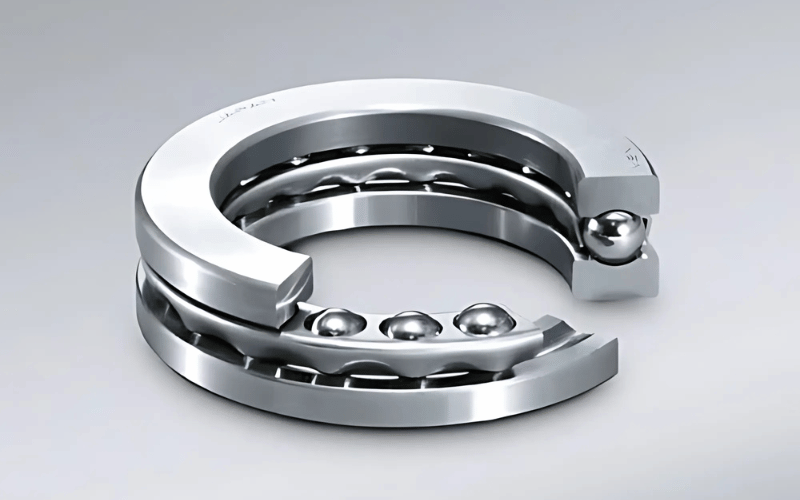
Thrust Bearings: 6 Tips for Peak Performance in Desert Environments
Thrust bearing, the unsung hero of mechanical systems. They are often overshadowed by their radial counterparts, but their crucial role in handling axial loads cannot be overstated. Think of it: any rotating shaft that needs to be controlled against force pushing along the axis relies on a thrust bearing to do the job effectively. From massive industrial machinery to more delicate equipment, a thrust bearing is designed to carry heavy loads and facilitate smooth rotation, ensuring optimal operational efficiency. A thrust bearing is not just a component; it’s a critical link in the chain of motion, providing stability and preventing system failures. Now, consider the intense conditions a thrust bearing has to face in extreme environments. The story changes completely when we introduce the harsh realities of arid desert landscapes. High temperatures, abrasive sand, and the constant challenge of contamination make the lifespan and functionality of a thrust bearing a real concern. This is where understanding how to optimize a thrust bearing becomes paramount, not just for performance but for ensuring the longevity and reliability of your equipment. The desert is a demanding place that requires specialized care for specialized components.
The Importance of Optimized Thrust Bearing Performance in Desert Environments
In desert environments, optimizing the performance of a thrust bearing is not just a best practice; it’s a necessity. The extreme heat can cause lubricants to break down faster, leading to increased friction and premature wear of your thrust bearing. Similarly, the fine, abrasive sand prevalent in these regions can easily infiltrate a thrust bearing, causing damage to its internal components and accelerating wear. These contaminants, along with the high operating temperatures, create a recipe for disaster, potentially leading to equipment failure and costly downtime. A poorly maintained or improperly selected thrust bearing in such conditions will struggle, leading to reduced efficiency, increased energy consumption, and frequent maintenance. Therefore, the ability to optimize the performance of a thrust bearing becomes crucial, not just for keeping things running, but for ensuring the long-term reliability and cost-effectiveness of your operations. A well-chosen and maintained thrust bearing is a difference between a successful operation and a costly one, particularly in challenging desert climates.
6 Tips for Optimizing Thrust Bearing Performance in the Desert
Maximizing the lifespan and efficiency of your thrust bearing in the desert requires a focused approach. Here are six essential tips to consider:
1. Select the Right Thrust Bearing Material
Not all thrust bearing materials are created equal. When it comes to desert operations, opting for materials with high heat resistance and superior hardness is crucial. Stainless steel or ceramic thrust bearing, for example, can withstand higher temperatures and are less susceptible to abrasive damage compared to standard steel options. The specific material you choose must be up to the challenge of the desert and resist excessive wear. Material selection is the foundation for a successful operation in demanding conditions.
2. Use High-Performance Lubricants
Conventional lubricants often struggle under extreme desert conditions. High temperatures can thin out the lubricant, reducing its effectiveness and leading to increased friction within the thrust bearing. High-performance synthetic lubricants with excellent heat resistance and film strength are essential. These lubricants ensure proper lubrication and protection of a thrust bearing even in harsh heat. Always ensure the lubricant is compatible with the bearing’s material.
3. Implement Effective Sealing Solutions
Dust and sand are the biggest enemies of a thrust bearing in the desert. Therefore, a robust sealing system is vital for preventing the intrusion of these contaminants. Choose thrust bearing with enhanced sealing options such as triple-lip seals or labyrinth seals to minimize the ingress of dust particles. Regular inspection and replacement of seals is also a must. Proper sealing is like building a first line of defense for your bearing.
4. Regular Inspection and Maintenance
In desert environments, a rigorous maintenance schedule is necessary to detect issues with a thrust bearing early and prevent costly equipment downtime. Regular inspections should include checking for signs of wear, lubrication levels, and seal integrity. Adjust the maintenance schedule as per the operating conditions and specific needs of the thrust bearing to keep it in perfect working order.
5. Manage the Operating Temperature
Excessive temperatures will lead to premature bearing failure and lubrication breakdown. Implementing cooling systems or heat shields to help manage the operating temperature of your thrust bearing can make a big difference. Actively managing the environment in which the bearing operates can significantly increase its lifespan. Always ensure that the bearing is operating within the temperature range specified by the manufacturer.
6. Consider a Thrust Bearing Assembly with Improved Design
Modern thrust bearing designs are evolving to combat harsh environments. Consider a thrust bearing with optimized internal geometries, enhanced lubrication channels, or specialized coatings. These designs offer improved load distribution and reduced friction, increasing the lifespan of the thrust bearing and ensuring higher performance even under the harsh conditions of the desert.
Bearing World: Your Partner for High-Performance Thrust Bearing
At Bearing World, we understand the unique challenges faced by industries operating in demanding environments. That’s why we’re dedicated to providing a wide selection of high-quality thrust bearing designed to withstand the most extreme conditions, including the harsh realities of the desert. Our commitment extends beyond just offering products. We strive to provide our clients with expert advice and support to ensure they select the perfect thrust bearing for their specific applications. We partner with trusted manufacturers who use cutting-edge technology and superior materials, so you can be assured of quality, reliability and long-lasting performance. We are not just a supplier, but your partner in ensuring smooth operations, minimal downtime, and optimal efficiency. From consulting on the right thrust bearing to providing after-sales support, Bearing World is dedicated to your success. Our team of experts is committed to offering the latest innovations in thrust bearing technology. We keep up to date with the latest technological advancements in the field to provide you with the best possible solutions for all your needs. Choosing Bearing World is choosing quality, reliability, and expertise. With us you are getting more than a thrust bearing, you’re getting peace of mind.
Conclusion
Optimizing thrust bearing performance in desert environments is essential for ensuring the reliability and longevity of your machinery. By choosing the right materials, using high-performance lubricants, implementing effective sealing solutions, maintaining regular inspections, managing the operating temperature and considering enhanced designs, you can significantly extend the life and performance of your thrust bearing. For all your bearing needs, especially high-quality thrust bearing, look no further than Bearing World. Our dedication to quality, expertise and customer satisfaction makes us the ideal partner for all your business needs. Contact us today to discover the difference that a reliable thrust bearing can make.
-
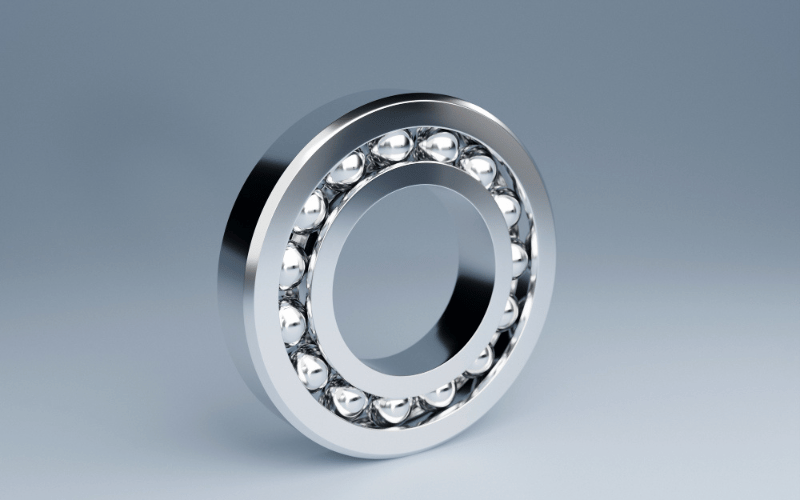
Bearing Selection: 8 Tips to Optimize Heavy Load Applications
In the world of machinery, the humble bearing often goes unnoticed, yet it plays a pivotal role in ensuring smooth, efficient, and reliable operations. From the smallest motors to the largest industrial equipment, bearings are the unsung heroes that keep things moving. When it comes to heavy-load applications, the importance of proper bearing selection is amplified. These applications, which involve significant weight and force, demand bearings that are not only robust but also precisely matched to the operational demands. Inadequate bearing choices can lead to premature failure, costly downtime, and even catastrophic equipment damage. Therefore, understanding the nuances of bearing selection is critical for engineers and maintenance professionals alike, ensuring that machinery operates at peak performance and longevity.
Selecting Bearings for Heavy Load Machinery
Selecting the right bearing for heavy-load machinery is a multifaceted process. It begins with a thorough understanding of the application. One must consider the type of load involved—whether it is radial, axial, or a combination of both. The magnitude of the load plays a crucial role in determining the required load capacity of the bearing. Furthermore, the operational environment, including temperature, speed, and the presence of contaminants, significantly affects bearing performance. A well-chosen ball bearing, for instance, can offer excellent rotational efficiency. However, if not designed for heavy loads, it will fail prematurely. Proper selection involves considering all these factors to achieve optimal performance and longevity.
Optimization is Key in Heavy Load Applications
Heavy load applications place immense stress on machinery components, and bearings are often at the forefront of this stress. Optimizing bearing selection in these applications is not about avoiding failure alone; it’s about ensuring the overall efficiency, reliability, and cost-effectiveness of the operation. A poorly chosen bearing in a heavy-load equipment can lead to increased friction, causing higher energy consumption and reduced equipment lifespan. This can translate into significant financial losses through frequent repairs, downtime, and increased operating costs. Optimizing bearing selection ensures reduced friction, longer bearing life, and minimal downtime. This is essential for maintaining productivity and profitability. High-quality ball bearing components, precisely selected for the application, are an investment that delivers considerable return.
8 Tips for Optimizing Bearing Selection in Heavy Load Applications
Selecting the right bearing for heavy load applications requires a detailed understanding of the specific operating conditions. By considering each of these factors, engineers and maintenance personnel can ensure optimized bearing performance, minimizing downtime and maximizing productivity.
1. Analyze the Load
The first step in bearing selection is a thorough analysis of the load the bearing will be subjected to. This includes not only the magnitude of the load but also its direction. Heavy load applications may involve radial loads, axial loads, or a combination of both. Understanding the load characteristics will guide the choice of bearing type. For example, a thrust ball bearing is specifically designed to handle axial loads, while radial bearings are suitable for loads acting perpendicular to the axis of rotation. Accurate load analysis will ensure you select the appropriate bearing style for your application.
2. Consider the Operating Speed
The speed at which the bearing will operate is another critical factor. High-speed applications generate heat due to friction, which can significantly impact the performance and lifespan of a bearing. Different bearing types have different speed limitations; for example, a ball bearing is often preferred for high-speed applications due to its low friction characteristics but might not be ideal for heavy loads. Consider using a high-precision ball bearing if the speed is exceptionally high. Be sure to factor in not only the maximum speed of the equipment but also the average speed, as the cumulative effects of operation at any given speed will contribute to bearing wear.
3. Evaluate the Operating Temperature
The temperature at which the bearing will operate can significantly affect its performance. High temperatures can cause the bearing material to weaken, and lubricants can degrade more quickly, increasing the risk of premature failure. Bearings should be chosen based on their temperature resistance and often require special lubricants or cooling mechanisms in extreme conditions. Consider using specialized ball bearing materials designed for high-temperature resistance in applications where elevated temperatures are the norm. Selecting the correct lubricant can also help mitigate the effects of temperature on your bearings.
4. Environmental Contamination
In heavy-duty applications, the environment is often harsh, exposing the bearing to various contaminants like dust, dirt, and moisture. These contaminants can significantly shorten bearing life if they penetrate the seals. Selecting bearings with appropriate sealing mechanisms is crucial for optimal longevity. You may also need to consider additional filtration or sealing measures to reduce the risk of contamination and ensure that your bearing continues to perform smoothly in a demanding environment.
5. Material Selection
The material used to construct a bearing plays a vital role in its performance and lifespan, particularly in heavy load applications. High-carbon chrome steel is a common choice due to its excellent hardness and wear resistance. However, specialized applications might require stainless steel or other materials, especially if there’s a risk of corrosion. The material selected will directly impact the bearing’s ability to withstand stress and maintain its operational characteristics over its lifetime.
6. Type of Bearing
The variety of bearing types is vast, each designed for specific applications. There are many types of ball bearing, which are usually suitable for higher speed applications. Roller bearings are able to withstand high radial load capacity. Tapered roller bearings are used when both radial and axial load capacity is required. Selecting the right type of bearing to match the load and operational characteristics will greatly improve the life of the bearing and improve overall machine efficiency.
7. Lubrication
Proper lubrication is critical to reduce friction and heat in bearings. The type of lubricant and method of lubrication can vary greatly, depending on the application. The wrong lubricant can cause premature bearing failure, while the correct lubricant will ensure smooth operation. Always follow the manufacturer’s guidelines for lubricant recommendations. Regular lubrication schedules need to be set to prolong the life of the bearing.
8. Regularly Monitor and Maintain
Even with the best bearing selection and practices, regular monitoring and maintenance are essential. Vibration analysis, temperature checks, and regular lubrication schedules are all important maintenance tasks. Regular checks allow for the early detection of potential issues, which prevents more serious and costly problems from happening. This process can help avoid unplanned downtime and maximize the longevity of your equipment and bearings.
Conclusion
Proper bearing selection is paramount for ensuring the efficiency and longevity of machinery, especially in heavy load applications. By understanding the specific demands of your application, from load types to environmental conditions, you can select the ideal bearing to meet your operational needs. Following the tips outlined above— analyzing loads, considering operating speeds and temperatures, accounting for environmental contamination, and paying close attention to lubrication and maintenance—will help you optimize bearing performance and minimize downtime. Remember that the right bearing isn’t just a component; it’s a critical investment in your machinery’s efficiency and productivity. For all your bearing needs, visit www.bearingworld.com.sa and let our experts help you find the perfect bearing for your specific requirements. We offer a wide range of high-quality ball bearing options and expert advice.
-
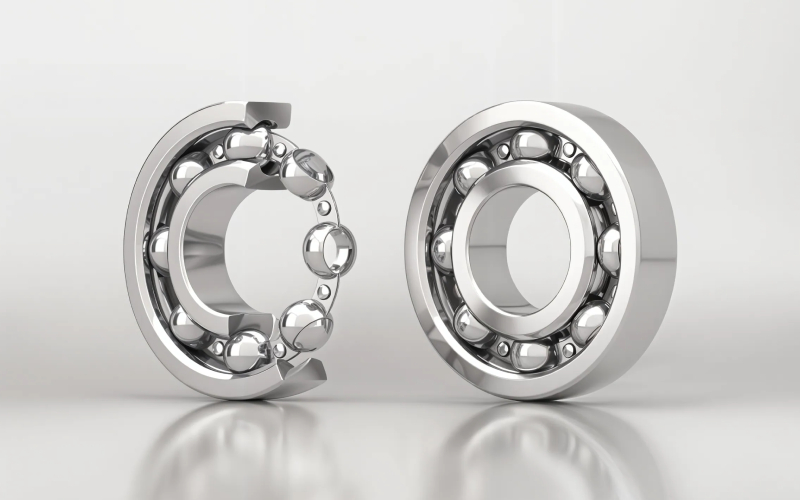
Ball Bearing Maintenance: 5 Tips to Prevent Corrosion in High-Temperature Operations
In modern industrial machinery, ball bearings serve as critical components that enable smooth rotation and movement. However, when operating in high-temperature environments, these essential parts face significant challenges, particularly from corrosion. The combination of heat, moisture, and chemical reactions can accelerate deterioration, leading to catastrophic failures and costly downtime. Understanding and implementing proper maintenance techniques becomes crucial for extending bearing life and ensuring optimal performance in these demanding conditions.
Understanding Corrosion Impact
High temperatures significantly accelerate the chemical reactions that cause corrosion in ball bearings. This deterioration process affects both the surface and internal structure of the bearing components. When corrosion takes hold, it creates a cascade of problems that can quickly escalate from minor issues to major failures.
The primary effects of corrosion include:
- Premature bearing failure through material degradation
- Increased vibration and noise due to surface irregularities
- Reduced operational precision affecting product quality
- Significant maintenance costs and replacement expenses
- Equipment breakdown risks leading to production losses
- Metal fatigue and structural weakening
- Increased energy consumption due to friction
- Contamination of lubricants with corrosion particles
Five Essential Maintenance Tips
1. Proper Storage and Handling
Ball bearings demand meticulous handling procedures to prevent contamination and early corrosion onset. The storage environment plays a crucial role in maintaining bearing integrity before installation. Proper practices include:
- Wearing clean gloves when handling bearings to prevent contamination from skin oils and sweat
- Storing bearings horizontally in their original packaging
- Maintaining a clean, dry environment with controlled humidity
- Implementing first-in-first-out inventory management
- Regular inspection of stored bearings for signs of deterioration
- Using proper lifting and handling tools for larger bearings
- Maintaining detailed records of storage conditions and duration
2. Implement Effective Lubrication
High temperatures significantly impact lubricant performance, making proper lubrication crucial for bearing longevity. When temperatures rise, lubricating grease becomes thinner, potentially leading to metal-to-metal contact and accelerated wear. Consider these essential lubrication practices:
- Select high-temperature-specific lubricants with appropriate viscosity ratings
- Establish and maintain proper lubrication schedules based on operating conditions
- Avoid over-lubrication which can cause grease carbonization
- Consider graphite-based lubrication for extreme temperatures
- Monitor lubricant condition regularly through analysis
- Implement automatic lubrication systems where appropriate
- Train maintenance personnel in proper lubrication techniques
3. Monitor Internal Clearance
Thermal expansion significantly affects bearing performance and requires careful attention. High temperatures cause materials to expand, potentially leading to serious complications:
- Loss of internal radial clearance affecting rotation
- Increased friction generating additional heat
- Premature bearing seizure due to thermal expansion
- Changes in bearing geometry affecting performance
- Stress concentration in rolling elements
- Altered load distribution patterns
- Potential for permanent deformation
4. Regular Inspection Protocol
Establish a comprehensive inspection schedule that includes detailed examination of all bearing components:
- Visual checks for wear patterns and surface damage
- Regular vibration analysis using advanced monitoring equipment
- Precise clearance measurements using appropriate tools
- Thorough seal and shield inspection for integrity
- Temperature monitoring at specific points
- Acoustic emission testing for early problem detection
- Documentation of all inspection findings
5. Environmental Control
Managing the operating environment proves crucial for preventing corrosion and ensuring optimal bearing performance:
- Install humidity monitoring and control systems
- Implement proper sealing mechanisms to prevent contamination
- Maintain appropriate temperature ranges through cooling systems
- Prevent fluid ingress with appropriate sealing solutions
- Monitor air quality in the operating environment
- Install filtration systems where necessary
- Regular cleaning of the surrounding area
Advanced Prevention Strategies
Material Selection
Choose materials specifically designed for high-temperature operations to ensure maximum durability:
- High-grade stainless-steel components
- Ceramic hybrid bearings for extreme conditions
- Special heat-treated materials for specific applications
- Coated bearing components for additional protection
- Custom alloy selections for unique environments
Conclusion
Effective ball bearing maintenance in high-temperature operations requires a comprehensive approach combining proper handling, regular inspection, and preventive measures. By implementing these detailed maintenance strategies, industries can significantly extend bearing life and reduce operational costs. For expert guidance on bearing selection and maintenance solutions, visit bearingworld.com.sa. We can suggest custom maintenance programs tailored to your specific industrial needs, ensuring optimal performance and longevity of your bearing systems.
-
Roller Ball Bearing: What are the Issues that Hinders Performance?
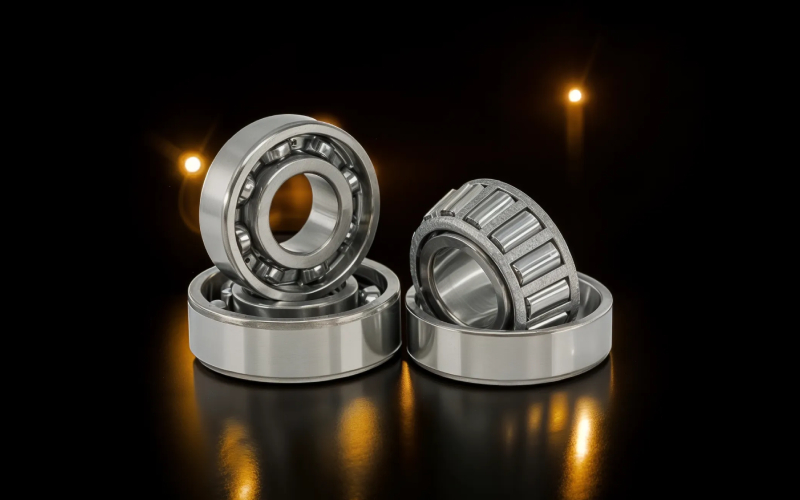
In the vast landscape of mechanical components, the roller ball bearing stands as a crucial element, facilitating smooth and efficient motion across countless applications. These seemingly small devices are responsible for supporting loads, reducing friction, and ensuring the seamless operation of machinery. However, despite their robust construction, roller ball bearings are not immune to problems. Premature failure of a roller ball bearing can lead to unexpected downtime, costly repairs, and even compromise the safety of operations. Therefore, understanding how to identify common issues is essential for proactive maintenance and preventing catastrophic failures. This blog will explore the intricacies of roller ball bearings, delving into their function, common problems, and, most importantly, how to spot the warning signs before they escalate.
What are Roller Ball Bearings?
Roller ball bearings are a type of anti-friction element that facilitates rotational movement by allowing two surfaces to roll rather than slide against each other. Typically, a roller ball bearing consists of inner and outer rings or races, with rolling elements (balls) located between the races. These elements are separated by a cage or separator, which maintains spacing and reduces friction. As one race rotates, the balls roll between the races, which allows for very smooth and low friction movement. The primary function of a roller ball bearing is to support radial and axial loads while minimizing friction, which in turn reduces heat and wear, and improves the overall efficiency of mechanical systems. The smooth operation of a ball bearing allows machinery to move efficiently.
Applications of Roller Ball Bearings
The versatility of roller ball bearings makes them indispensable across a wide array of applications. In the automotive industry, they can be found in wheel hubs, transmissions, and steering mechanisms, where they facilitate smooth and reliable motion under various loads and conditions. The applications are also used in industrial machinery like pumps, compressors, and conveyor systems. They reduce friction and ensure smooth operation, which is critical for the overall performance of these systems. In household appliances like fans, washing machines, and power tools, roller ball bearings provide dependable operation and extend the lifespan of these products. This wide range of applications highlights the importance of understanding the function and maintaining a roller ball bearing.
Maintaining Roller Ball Bearings
Proper maintenance is key to ensuring the long life and efficient operation of roller ball bearings. One of the most important aspects of maintenance is adequate lubrication. Without it, increased friction leads to heat buildup and premature wear. The correct lubricant must be used for the specific application, and they need to be applied regularly as per the manufacturer’s guidance. Other maintenance tasks include regular inspection for signs of damage or contamination. Keeping the bearings clean and free from debris helps to prevent corrosion and wear. Regular checks for unusual noise, vibration, or heat are also critical, as these can indicate that the ball bearing is malfunctioning. Proper maintenance is essential to prevent premature failure of the roller ball bearing.
Complications Associated with Roller Ball Bearings
Despite their critical role, roller ball bearings are susceptible to a range of complications that can affect their performance and longevity. One common issue is inadequate lubrication, which increases friction, leading to excessive heat, wear, and premature failure. Contamination from dust, dirt, and moisture can also degrade the lubricant, damage the bearing components, and accelerate wear. Incorrect installation or misalignment can also result in increased stress on the roller ball bearing, leading to premature failure. Operating a roller ball bearing beyond its load or speed rating can lead to excessive wear and damage. Understanding and preventing these complications is essential for ensuring the long life and smooth operation of machinery and devices.
How to Identify Five Common Roller Ball Bearing Issues
Identifying common roller ball bearing issues early on can help prevent extensive damage and costly repairs. Here are five common issues and how to spot them:
1. Noise
Unusual noises such as grinding, squealing, or clicking sounds are often indicative of a problem with the ball bearing. This can be caused by inadequate lubrication, contamination, or damaged bearing components. If you are observing unusual noise coming from the ball bearing, immediate investigation is required.
2. Vibration
Excessive vibration can be a sign of a worn or damaged roller ball bearing. This can be caused by several factors, including misalignment, imbalance, or damaged rolling elements. If you can feel the vibrations coming from a ball bearing this needs to be investigated immediately.
3. Heat
An increase in operating temperature is a common indicator of a problem with the ball bearing. This can be a result of inadequate lubrication, excessive load, or internal damage. Regular temperature checks can help identify this type of issue early on.
4. Play or Looseness
If you notice a radial or axial play or looseness in the ball bearing, it could mean the bearing is worn or damaged. This play can result in poor operational performance and possibly lead to catastrophic failure. Checking for play during regular maintenance is crucial to ensuring performance.
5. Visual Damage
Performing visual checks on ball bearings, if feasible, is good practice. Cracks, corrosion, or discoloration can indicate potential issues and require the roller ball bearing to be changed. Always check for visual damage when performing maintenance.
Conclusion
Roller ball bearings are essential components in various applications. Their smooth operation is key to the efficiency and reliability of machines. However, roller ball bearings are not immune to issues and regular maintenance and inspection is necessary. Identifying common roller ball bearing problems early on is key to preventing costly repairs and downtime. By paying attention to unusual noises, excessive vibration, increased heat, looseness, and visual damage, you can proactively address potential issues. This approach ensures a longer lifespan and reliable performance. For all your ball bearing requirements, visit www.bearingworld.com.sa. Our team of experts is here to guide you through the selection process and assist with any questions you may have. We offer a wide selection of high-quality ball bearings.
-
Top 3 Ways to Improve Your Vehicle’s Performance with Quality Car Bearings
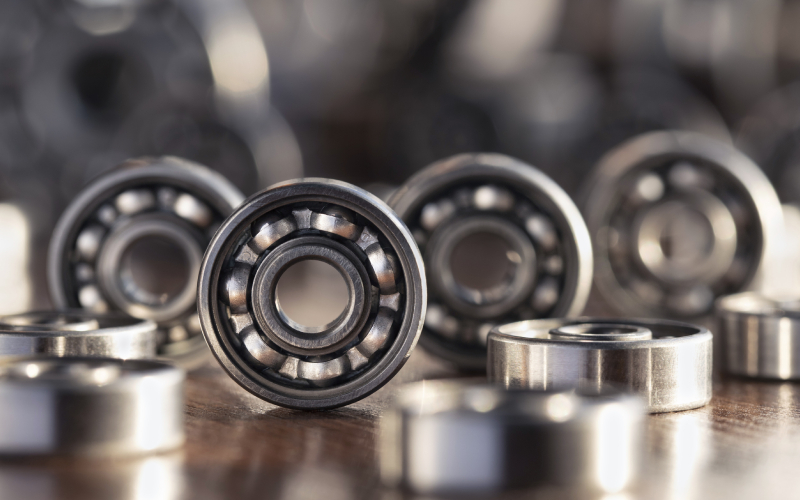
The efficiency of every vehicle lies in its smallest components. Car bearings, though often overlooked, are the unsung heroes that keep vehicles running efficiently and safely. These precision-engineered components play a crucial role in reducing friction between moving parts, ensuring optimal performance, and extending the life of various automotive systems.
Modern vehicles contain numerous bearings throughout their assembly, from wheel hubs to transmission systems, each serving a specific purpose in maintaining smooth operation and preventing mechanical wear.
What are Automotive Bearings?
Automotive bearings are essential components in cars that reduce friction between moving parts and support loads while enabling smooth motion. A typical car contains between 100-150 bearings throughout its various systems.
Key Applications
Engine and Transmission
Plain bearings support moving engine components and handle heavy loads inside the engine. In transmissions, roller thrust bearings support large thrust loads in gear sets, while various other bearings help convert engine power into appropriate driving force.
Wheel Assembly
Tapered roller bearings are mounted in car hubs in pairs to handle both radial and axial forces during driving. Ball bearings in wheel assemblies enable smooth rotation while supporting the vehicle’s weight.
Suspension and Steering
Spherical bearings are used in suspension components like control arms and strut mounts to absorb shock and allow multi-directional movement. Plain bearings provide low-friction interfaces in suspension systems and various pivot points.
Other Components
Bearings are also crucial in:
- Crankshafts and camshafts
- Alternators and radiators
- Differential systems
- Clutch mechanisms
These various bearing types work together to ensure optimal vehicle performance, reduce energy consumption, and enhance durability.
The Critical Role of Bearings in Vehicle Performance
Car bearings serve as the foundation for smooth vehicular operation, directly impacting everything from fuel efficiency to handling. These components work tirelessly to reduce friction between moving parts, enabling efficient power transmission from the engine to the wheels.
Quality bearings ensure precise wheel rotation, minimize energy loss, and contribute to better fuel economy.
They are particularly crucial in wheel hubs, where they support the vehicle’s weight while allowing smooth wheel rotation and maintaining proper alignment.
Maximizing Vehicle Longevity Through Bearing Maintenance
Regular Inspection and Care
Proper bearing maintenance is essential for ensuring optimal vehicle performance and preventing premature wear. Regular inspections can identify potential issues before they become serious problems.
Vehicle owners should pay attention to unusual noises, vibrations, or handling issues, as these could indicate bearing wear or damage.
Professional Maintenance Tips
Proper Lubrication: Ensuring bearings are properly lubricated helps prevent wear and extends their lifespan.
Clean Environment: Keeping bearings free from contamination and debris is crucial for maintaining their efficiency
Timely Replacement: When bearings show signs of wear, prompt replacement can prevent more extensive damage to other components
The Impact of Quality Bearings on Vehicle Safety and Performance
Enhanced Vehicle Efficiency
Premium car bearings contribute significantly to vehicle efficiency through superior design and materials. They provide better heat dissipation, smoother operation, and more precise component alignment.
This results in:
Improved Fuel Economy: Quality bearings reduce friction, leading to better fuel efficiency
Enhanced Power Transfer: Efficient bearings ensure optimal power transmission from the engine to the wheels.
Better Handling: Superior bearings contribute to more precise steering and improved vehicle controlConclusion
The importance of quality car bearings in vehicle performance cannot be overstated. They are fundamental to achieving optimal efficiency, safety, and longevity in modern vehicles
For those seeking to enhance their vehicle’s performance, investing in premium bearings from Bearing World is a smart choice. Visit Bearing World to explore their comprehensive selection of high-quality automotive bearings and take the first step toward improving your vehicle’s performance. Our expert team can help you select the perfect bearings for your specific needs, ensuring your vehicle operates at its peak potential.
-
How to Use Thrust Bearings in High-Load Applications
Thrust bearings play a crucial role in many high-load applications, providing essential support for axial loads and allowing machinery to function efficiently. As a critical component in various industries, understanding how to properly use thrust bearings can significantly impact the performance and longevity of your equipment. In this comprehensive guide, we’ll explore the key considerations for implementing thrust bearings in high-load scenarios.
Understanding Thrust Bearings
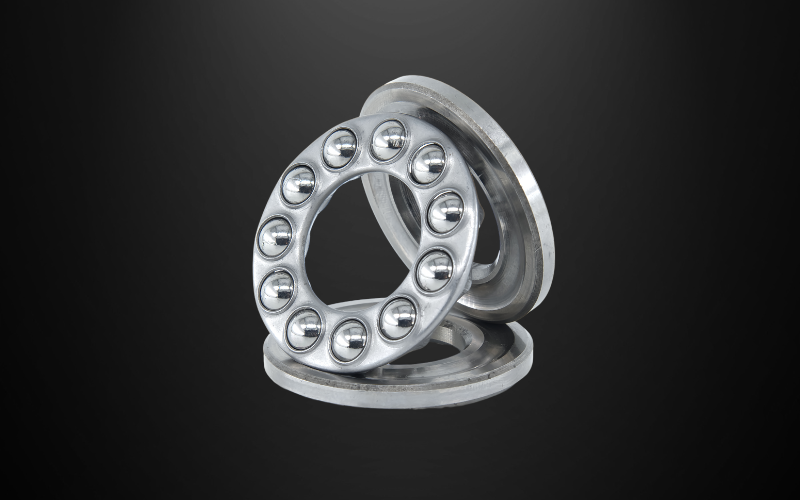
Thrust bearings are a type of rotary bearing designed to support axial loads, which are forces applied parallel to the shaft’s axis. They come in various types, each suited for different applications and load capacities.
Types of Thrust Bearings
- Thrust Ball Bearings: Ideal for low to moderate axial loads and high-speed applications.
- Cylindrical Thrust Roller Bearings: Offer higher load capacity than ball bearings, suitable for moderate to heavy loads.
- Tapered Thrust Roller Bearings: Designed for combined radial and axial loads, commonly used in automotive applications.
- Spherical Thrust Roller Bearings: Provide the highest load rating density and can accommodate misalignment.
Selecting the Right Thrust Bearing for High-Load Applications
Choosing the appropriate thrust bearing is crucial for ensuring optimal performance and longevity in high-load scenarios. Consider the following factors:
Load Capacity
Assess the maximum axial load your application will experience. For heavy-duty machinery, such as industrial presses or hydroelectric turbines, opt for bearings with high load ratings, like spherical or tapered roller thrust bearings.
Speed Requirements
Consider the operational speed of your equipment. While roller thrust bearings offer higher load capacities, they may have speed limitations compared to ball thrust bearings.
Environmental Conditions
Evaluate the operating environment, including temperature, moisture, and potential contaminants. For corrosive or wet conditions, consider stainless steel or ceramic bearings.
Space Constraints
Assess the available space for bearing installation. Some high-load applications may require compact bearing designs without compromising on load capacity.
Best Practices for Using Thrust Bearings in High-Load Applications
To maximize the performance and lifespan of thrust bearings in demanding environments, follow these best practices:
Proper Installation
Ensure correct alignment during installation to prevent uneven load distribution and premature wear. For tapered roller thrust bearings, pay special attention to the mounting angle to achieve optimal load distribution.
Lubrication
Implement an appropriate lubrication strategy based on the bearing type and operating conditions. For high-speed applications, consider oil lubrication systems to maintain a consistent lubricant film.
Regular Maintenance
Establish a routine inspection and maintenance schedule to monitor bearing condition, detect early signs of wear, and prevent unexpected failures.
Load Distribution
In applications with extreme axial loads, consider using multiple thrust bearings or a combination of different bearing types to distribute the load effectively.
Applications of Thrust Bearings in High-Load Scenarios
Thrust bearings find use in various high-load applications across different industries. Some notable examples include:
Wind Turbines
Thrust bearings support the massive axial loads generated by wind forces acting on the rotor blades. They are crucial components in the gearbox and main shaft, ensuring smooth rotation and maximizing energy output.
Marine Propulsion Systems
In ship propellers and other marine applications, thrust bearings handle significant axial forces resulting from water movement. Hydrodynamic thrust bearings are particularly well-suited for these high-load marine environments.
Hydroelectric Power Plants
Turbines in hydroelectric power plants generate considerable axial loads due to water pressure. Hydrodynamic thrust bearings are commonly employed to support these forces and maintain stability in the turbine components.
Heavy Industrial Equipment
Industries utilizing equipment like presses and rolling mills rely on thrust bearings, particularly roller thrust bearings, to support the extreme axial loads generated during operations.
Optimizing Thrust Bearing Performance in High-Load Applications
To ensure optimal performance and longevity of thrust bearings in demanding scenarios, consider the following strategies:
Temperature Management
Monitor and control operating temperatures to prevent overheating, which can lead to lubricant breakdown and premature bearing failure. Implement cooling systems if necessary.
Load Monitoring
Utilize load monitoring systems to ensure that the bearing is not subjected to loads beyond its rated capacity. This can help prevent sudden failures and extend bearing life.
Vibration Analysis
Regularly conduct vibration analysis to detect potential issues early on, such as misalignment or wear, which can significantly impact bearing performance in high-load applications.
Material Selection
For extreme load conditions, consider advanced materials like ceramic or hybrid bearings, which offer improved durability and performance under high stress.
Conclusion
Thrust bearings are indispensable components in many high-load applications, from wind turbines to heavy industrial machinery. By understanding the different types of thrust bearings, selecting the right bearing for your specific application, and implementing best practices for installation and maintenance, you can ensure optimal performance and longevity of your equipment.
Remember that each high-load application presents unique challenges, and consulting with bearing specialists can provide valuable insights tailored to your specific needs. With proper selection, installation, and maintenance, thrust bearings will continue to play a crucial role in supporting the ever-increasing demands of modern machinery and industrial processes.
-
Top 4 Benefits of Partnering with a Leading Bearing Supplier in Saudi Arabia
In today’s fast-paced industrial landscape, the importance of reliable machinery cannot be overstated. At the heart of this reliability lies a crucial component: bearings. These unassuming parts play a vital role in ensuring smooth operations across various industries. When it comes to sourcing high-quality bearings in Saudi Arabia, partnering with a leading supplier can make all the difference. Let’s explore the top four benefits of such a partnership.
1. Access to Premium Quality Products
Authentic Bearings from Reputable Manufacturers
One of the primary advantages of working with a leading bearing supplier is the assurance of product quality. Reputable suppliers in Saudi Arabia, like Bearing World, have established relationships with renowned bearing manufacturers worldwide. This means you get access to authentic bearings from trusted brands, ensuring optimal performance and longevity for your machinery.
Wide Range of Options
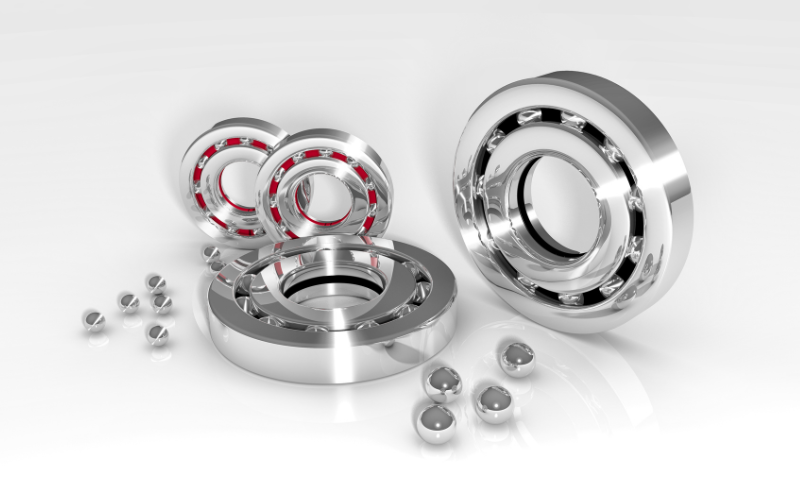
A leading supplier offers a comprehensive range of bearings to cater to diverse industrial needs. Whether you require ball bearings, roller bearings, or specialized bearings for specific applications, a top-tier supplier can provide you with numerous options. This variety allows you to find the perfect bearing for your unique requirements, optimizing your machinery’s efficiency and lifespan.
2. Expertise
Knowledgeable Staff
Leading bearing suppliers invest in their team’s expertise. When you partner with such a supplier, you gain access to a wealth of knowledge and experience. Their staff can provide valuable insights into bearing selection, installation, and maintenance, helping you make informed decisions that can significantly impact your operations.
3. Reliable Supply Chain and Inventory Management
Consistent Availability
One of the most significant advantages of partnering with a leading bearing supplier is the assurance of product availability. These suppliers maintain robust inventory management systems and have strong relationships with manufacturers, ensuring a steady supply of bearings. This consistency can be crucial in preventing production delays and maintaining smooth operations.
4. Long-term Cost Savings
Quality Translates to Longevity
While premium bearings might have a higher upfront cost, they offer significant long-term savings. High-quality bearings from reputable suppliers last longer, perform better, and require less frequent replacements. This longevity translates to reduced maintenance costs, less downtime, and improved overall efficiency of your machinery.
Avoiding Counterfeit Products
The market is unfortunately flooded with counterfeit bearings that can cause severe damage to your machinery and operations. Leading suppliers have strict quality control measures and direct relationships with manufacturers, ensuring you receive genuine products. By avoiding counterfeit bearings, you protect your equipment from premature failure and potentially catastrophic breakdowns, saving you substantial costs in the long run.
Value-Added Services
Top bearing suppliers often provide value-added services that can lead to additional cost savings. These may include:
- Bearing failure analysis to prevent recurring issues
- Training programs for your maintenance staff
- Inventory management solutions to optimize your stock levels
- Energy efficiency consultations to reduce operational costs
By leveraging these services, you can enhance your operational efficiency and reduce overall maintenance and replacement costs.
Conclusion
In the competitive industrial landscape of Saudi Arabia, partnering with a leading bearing supplier can provide your business with a significant edge. From access to premium quality products and expert technical support to reliable supply chain management and long-term cost savings, the benefits are clear and impactful.
As you consider your options for bearing suppliers in Saudi Arabia, we encourage you to partner with Bearing World. As one of the largest distributors and premier Integrated Maintenance Solution Providers in the Kingdom, we offer an extensive range of high-quality bearings suitable for various industries. Our commitment to quality, expertise, and customer satisfaction makes us an ideal partner for all your bearing needs.
Don’t compromise on the quality and reliability of your machinery. Choose Bearing World as your trusted bearing supplier and experience the difference that a leading partner can make in your operations. Contact us today to explore how we can support your business with authentic bearings and unparalleled service.
-
Key Benefits of Sourcing from a Leading SKF Bearing Distributor
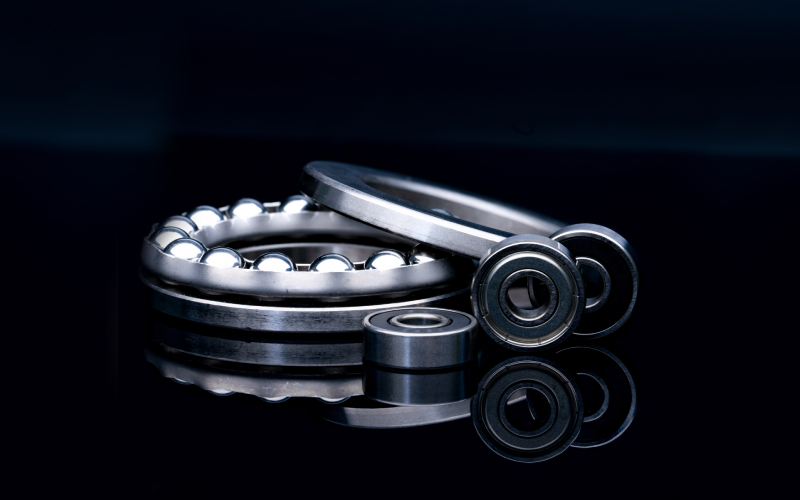
In today’s competitive industrial landscape, the choice of bearings can significantly impact the performance, efficiency, and longevity of machinery. SKF, a global leader in bearing technology, has established itself as a benchmark for quality and innovation. When sourcing SKF bearings, partnering with a leading distributor can offer numerous advantages. Let’s explore the key benefits of choosing a reputable SKF bearing distributor for your industrial needs.
Guaranteed Authenticity and Quality
Access to Genuine SKF Products
One of the primary benefits of sourcing from a leading SKF distributor is the assurance of product authenticity. Counterfeit bearings pose a significant risk to industrial operations, potentially leading to unexpected failures, production losses, and safety hazards. A trusted distributor ensures that you receive genuine SKF bearings, manufactured to the highest standards of quality and performance.
Enhanced Performance and Efficiency
Improved Operational Efficiency
SKF bearings are designed to deliver superior performance across various industrial applications. They offer benefits such as reduced friction, improved energy efficiency, and enhanced machinery reliability. A leading distributor can help you select the most appropriate SKF bearings for your specific needs, ensuring optimal performance and efficiency in your operations.
Access to Advanced Technologies
SKF continually invests in research and development, introducing innovative bearing technologies that can significantly improve machine performance. A reputable distributor stays up-to-date with these advancements and can provide you with access to the latest SKF bearing solutions, helping you stay ahead of the competition.
Expert Support and Technical Expertise
Specialized Knowledge and Guidance
Leading SKF distributors possess in-depth knowledge of SKF’s product range and their applications across various industries. This expertise allows them to offer valuable guidance in selecting the right bearings for your specific requirements, ensuring optimal performance and longevity of your machinery.
Technical Support and Problem-Solving
When you source from a trusted SKF distributor, you gain access to their technical support team. These experts can assist with installation guidance, troubleshooting, and provide solutions to bearing-related challenges, minimizing downtime and optimizing your operations.
Comprehensive Product Range and Availability
Wide Selection of SKF Products
A leading SKF distributor typically offers a comprehensive range of SKF bearings and related products. This extensive selection ensures that you can find the right bearing for any application, from standard industrial bearings to specialized solutions for demanding environments.
Improved Inventory Management
Reputable distributors maintain well-stocked inventories of SKF products, ensuring quick availability and reducing lead times. This can be particularly beneficial when you need urgent replacements or when planning for scheduled maintenance.
Reduced Maintenance Costs
By sourcing high-quality SKF bearings from a trusted distributor, you can significantly reduce maintenance costs over time. SKF bearings are known for their durability and longer service life, which translates to fewer replacements and less frequent maintenance interventions.
Improved Energy Efficiency
SKF bearings are designed to minimize friction and operate efficiently, contributing to reduced energy consumption in your machinery. Over time, this can lead to substantial energy savings and a lower total cost of ownership.
Conclusion
Sourcing SKF bearings from a leading distributor offers numerous benefits, including guaranteed authenticity, enhanced performance, expert support, and long-term cost savings. These advantages can significantly contribute to the efficiency, reliability, and profitability of your industrial operations.
For businesses looking to leverage these benefits and ensure access to genuine SKF bearings, partnering with a trusted distributor is essential. Bearing World, as a premier Integrated Maintenance Solution Provider with over decades of industry experience, offers an extensive range of authentic SKF bearings and related products. Our commitment to quality, expertise, and customer satisfaction makes us an ideal partner for all your bearing needs across various industries.
Take the next step towards optimizing your machinery performance and reliability. Partner with Bearing World for all your SKF bearing requirements and experience the difference that comes with sourcing from a leading distributor. Contact us today to explore how we can support your industrial bearing needs and drive your business forward.
-
5 Ways SKF Thrust Bearings Improve Load-Bearing Capacity
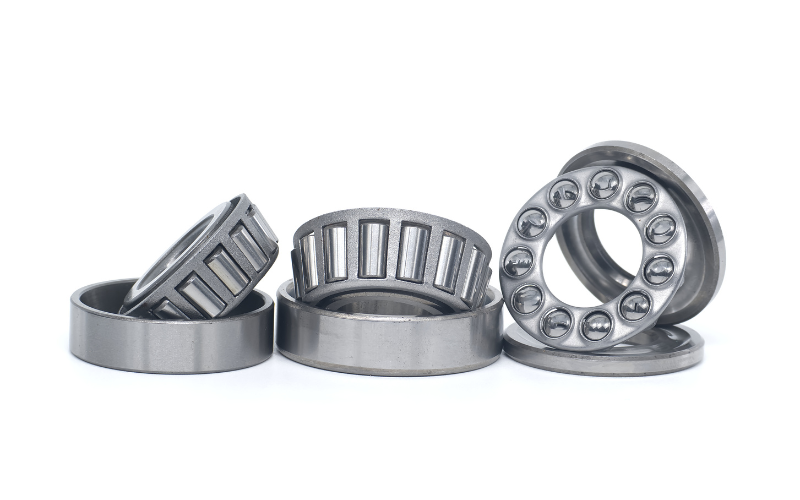
SKF thrust bearings are renowned for their exceptional performance in managing axial loads across various industrial applications. These bearings play a crucial role in enhancing the load-bearing capacity of machinery, contributing to improved efficiency and longevity. Let’s explore five keyways in which SKF thrust bearings excel in improving load-bearing capacity.
1. Advanced Material Technology
SKF’s commitment to material innovation has significantly contributed to the enhanced load-bearing capacity of their thrust bearings.
Ultra-Clean Steel
SKF thrust bearings are manufactured using ultra-clean steel with an extremely low oxygen content] This high-quality material significantly increases the bearing’s service life and load-bearing capacity. The improved steel composition results in:
- Enhanced wear resistance
- Increased durability under heavy loads
- Better performance in extreme conditions
Unique Heat Treatment Process
SKF employs a proprietary heat treatment process that further enhances the material properties of their bearings. This process:
- Increases wear resistance while maintaining toughness
- Improves heat stabilization, allowing for better performance under high temperatures
- Enhances the overall strength of the bearing, directly contributing to its load-bearing capacity.
2. Optimized Geometry and Design
The design of SKF thrust bearings is carefully optimized to maximize load-bearing capacity while ensuring smooth operation.
Spherical Roller Thrust Bearings
SKF’s spherical roller thrust bearings are particularly noteworthy for their ability to handle heavy loads. Their unique design features include:
- Ability to accommodate substantial radial loads in addition to thrust loads
- Capacity to handle misalignment and shaft deflections
- Economical and space-saving design that provides high stiffness under heavy load conditions
Tapered Roller Thrust Bearings
These bearings are designed to handle large axial forces, thanks to their tapered rollers. The key features include:
- Larger contact surface area for distributing heavy axial loads
- Increased load capacity due to the tapered design
- Suitability for applications with predominantly axial but substantial loads
3. Precision Manufacturing and Surface Finish
SKF’s manufacturing processes and attention to surface quality significantly contribute to the load-bearing capacity of their thrust bearings.
Close Tolerances
SKF tapered roller thrust bearings are manufactured to extremely close dimensional and geometrical tolerances. This precision results in:
- Practically identical rollers, ensuring optimal load distribution
- Enhanced ability to accommodate heavy axial loads
- Improved overall bearing performance under high-stress conditions
Improved Surface Finish
The surface finish on all contact surfaces of SKF thrust bearings has been significantly improved. This enhancement leads to:
- Maximized lubricant effectiveness
- Smoother and cooler-running bearings
- Extended bearing life under heavy load conditions
4. Innovative Cage Designs
The cage design in SKF thrust bearings plays a crucial role in load distribution and overall bearing performance.
Heavy-Duty Performance Cages
SKF spherical roller thrust bearings feature robust metallic cages designed for heavy-duty conditions. These cages offer:
- Optimal performance in high and low-speed applications
- Ability to accommodate high temperatures
- Enhanced lubricant distribution, even under poor lubrication conditions
Optimized Roller Guidance
The cage design ensures proper roller guidance, which is essential for:
- Even load distribution across the bearing
- Reduced friction and wear
- Improved overall load-bearing capacity
5. SKF Explorer Performance Class
The SKF Explorer performance class represents a significant leap in bearing technology, offering substantial improvements in load-bearing capacity.
Enhanced Performance Parameters
SKF Explorer thrust bearings demonstrate:
- Dramatically improved performance beyond standard ISO life predictions
- Increased load-bearing capacity, allowing for either extended service life or downsizing of applications
- Superior performance in challenging operating conditions
Application-Specific Optimization
The SKF Explorer class bearings are tailored to specific application needs:
- In marine applications, they allow for more compact and cost-effective solutions without compromising on load-bearing capacity
- In industrial machinery, they provide enhanced reliability and reduced maintenance requirements
Conclusion
SKF thrust bearings significantly improve load-bearing capacity through advanced material technology, optimized geometry, precision manufacturing, innovative cage designs, and the introduction of the SKF Explorer performance class. These enhancements not only increase the load-bearing capacity but also contribute to longer service life, reduced maintenance requirements, and improved overall machine performance.
By incorporating these high-performance bearings, industries can achieve higher efficiency, reduced downtime, and improved productivity. Whether in heavy industrial applications, automotive systems, or aerospace engineering, SKF thrust bearings continue to set the standard for excellence in load-bearing capacity and overall performance. If you want to purchase SKF thrust bearings, Bearing World can help you in choosing the right one for your business. Contact us now to place your order with us.