Your cart is currently empty!
Category: Technical Insights
-
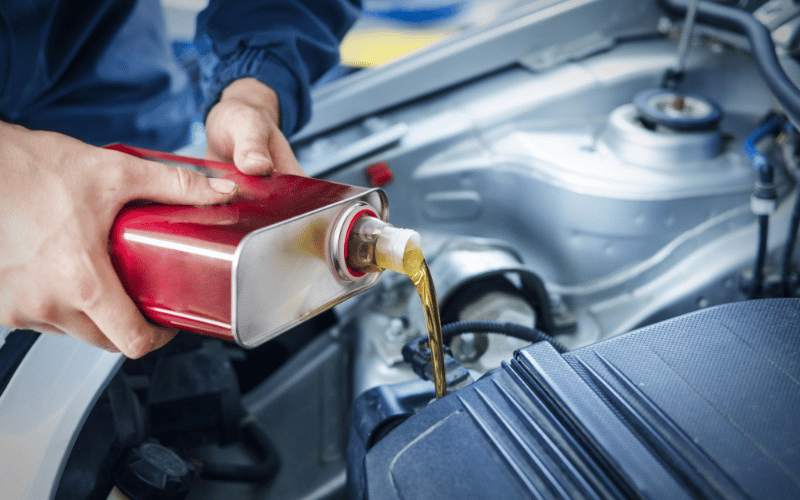
7 Tips to Choose the Right Grease Lubricant
Are your machines facing premature wear and tear? The culprit might be the wrong grease lubricant. Selecting the correct grease is crucial for optimal performance and longevity. This blog post provides seven expert tips to help you choose the best grease lubricant for your specific needs. Let us guide you to selecting the right grease.
1. Understand the Application Requirements
The first step is understanding what the grease lubricant needs to do. Consider the specific conditions the grease will face. Different applications place different demands on the lubricant.
- Temperature: High or low temperatures significantly impact grease performance. High heat can cause it to break down. Extreme cold can make it stiff and ineffective.
- Speed: Fast moving parts require grease that can withstand centrifugal forces. Slow-moving parts may need grease with enhanced adhesive properties.
- Load: Heavy loads demand grease with high load-carrying capacity. This prevents metal-to-metal contact and wear.
- Environment: Exposure to water, chemicals, or dust requires special grease. These greases provide protection against contamination and corrosion.
For example, a high-speed electric motor bearing will require a different grease than a slow-moving construction equipment joint. Understanding these application specifics is key.
2. Consider the Grease Base Oil Viscosity
Base oil viscosity is a critical factor in grease lubricant selection. Viscosity refers to the grease’s resistance to flow.
• Higher viscosity: Better for heavy loads and slower speeds. It provides a thicker film between surfaces.
• Lower viscosity: Ideal for high-speed applications and low temperatures. It reduces friction and heat generation.
Choosing the correct viscosity ensures proper lubrication. Consider the operating temperature. Viscosity decreases as temperature increases. Select a base oil viscosity appropriate for the expected operating conditions.
3. Choose the Right Thickener Type
The thickener is another crucial component. It holds the base oil and additives in a semi-solid state. Different thickener types offer unique properties.
- Lithium: Most common type. Offers good overall performance and water resistance.
- Lithium Complex: Provides higher temperature resistance and improved water resistance compared to lithium.
- Calcium Sulfonate: Excellent water resistance, high load-carrying capacity, and rust protection. Good for marine applications.
- Polyurea: Offers exceptional high-temperature performance and long life. Often used in sealed-for-life bearings.
The thickener type significantly influences grease performance. Choose the one best suited for the application demands.
4. Evaluate the Additives
Additives enhance the grease lubricant‘s properties. They provide specific benefits.
- Extreme Pressure (EP) additives: Prevent wear under heavy loads and high speeds.
- Anti-wear additives: Reduce friction and wear in boundary lubrication conditions.
- Rust and Corrosion Inhibitors: Protect metal surfaces from rust and corrosion.
- Oxidation Inhibitors: Extend grease life by preventing oxidation and degradation.
Consider the specific needs of the application. Select grease with the appropriate additives to enhance performance and protection.
5. Check Grease Compatibility
Mixing different types of grease can lead to problems. Incompatibility can cause:
- Grease softening or hardening
- Reduced lubrication effectiveness
- Equipment damage
Always check grease compatibility before switching brands or types. Consult a grease compatibility chart or the manufacturer’s recommendations. When in doubt, completely remove the old grease before applying the new one.
6. Consider the Operating Temperature Range
The operating temperature range is vital. It indicates the temperatures the grease can effectively function within.
- Low-temperature limit: Below this temperature, the grease becomes too stiff. It may not flow properly.
- High-temperature limit: Above this temperature, the grease can break down. It can lose its lubricating properties.
Select a grease whose temperature range aligns with the application’s operating conditions. This ensures optimal performance and prevents premature failure.
7. Consult with Bearing World Experts
Choosing the right grease lubricant can be complex. Bearing World experts can assist you. They understand various applications and grease properties.
- Application analysis: They can analyze your specific needs and recommend suitable greases.
- Product selection: Bearing World provides a wide range of high-quality grease lubricants. They can help you find the perfect match.
- Technical support: They offer technical support to answer your questions and address any concerns.
Do not hesitate to seek professional help. Contact Bearing World for expert advice.
Choosing the right grease lubricant is essential for optimal equipment performance and longevity. By considering these seven tips, you can make an informed decision. Proper grease selection prevents wear, reduces downtime, and saves money. For all your bearing and lubrication needs, turn to the experts at Bearing World.
Ready to optimize your equipment’s performance? Contact Bearing World today for expert guidance on choosing the right grease lubricant. Visit our website or call us for a consultation.
Q: What is grease lubricant made of?
A: Grease lubricant typically consists of a base oil, a thickener, and additives. The base oil provides lubrication, the thickener provides structure, and the additives enhance specific properties.Q: How often should I relubricate my bearings with grease?
A: Relubrication frequency depends on the application, operating conditions, and grease type. Consult the equipment manufacturer’s recommendations or a lubrication specialist.Q: Can I mix different types of grease lubricant?
A: Mixing different types of grease can cause incompatibility issues. It can degrade performance. It is best to avoid mixing greases unless compatibility is verified.Q: What is synthetic grease lubricant?
A: Synthetic grease uses synthetic base oils instead of mineral oils. It provides better high-temperature performance, low-temperature performance, and longer service life.Q: How do I know if I am using the wrong grease lubricant?
A: Signs of using the wrong grease include excessive wear, overheating, leakage, and unusual noise. Regularly inspect your equipment and grease condition.Q: Where can I find grease compatibility charts?
A: Grease compatibility charts are often available from grease manufacturers or lubrication suppliers. Search online or contact Bearing World for assistance.Q: What is the difference between grease and oil lubricant?
A: Grease is a semi-solid lubricant. Oil is a liquid lubricant. Grease is better for applications requiring long-term lubrication. It can also prevent contamination.Q: How should I store grease lubricant?
A: Store grease in a cool, dry place. Keep containers tightly sealed to prevent contamination. -
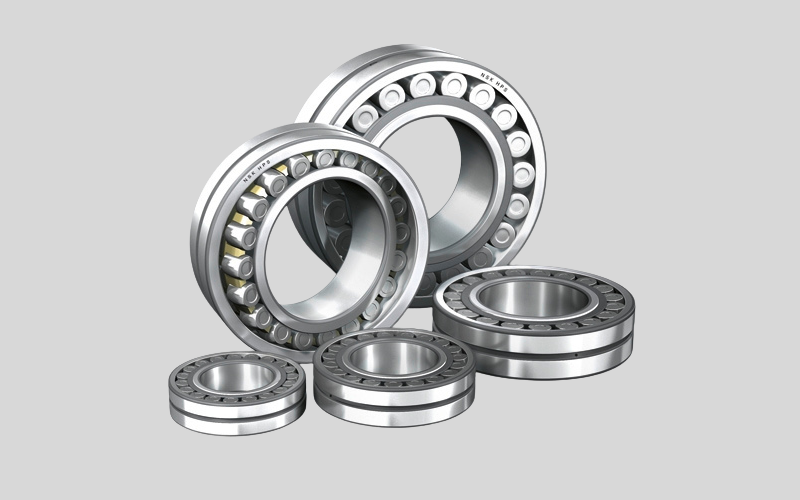
Types of Roller Ball Bearing and Their Uses
Are you curious about what keeps machines moving smoothly? Do you wonder about the hidden heroes of motion that reduce friction? The answer lies in roller ball bearings. These small yet powerful components are crucial in countless applications, from the wheels of your car to the intricate mechanisms in industrial machinery. This blog post from Bearing World will explore the different types of roller ball bearings and their specific uses, providing you with a comprehensive understanding of these essential parts.
What are Roller Ball Bearings?
Roller ball bearings are a type of rolling-element bearing that uses balls to maintain separation between the bearing races. This design minimizes rotational friction and supports radial and axial loads. These bearings are integral to the efficient operation of various mechanical systems. They allow parts to move freely and with minimal energy loss.
Why are Roller Ball Bearings Important?
- Reduced Friction: Bearings significantly decrease friction. This leads to energy savings and longer component life.
- Load Support: They support both radial and axial loads, allowing machines to handle various forces.
- Smooth Operation: Bearings ensure smooth and precise motion, essential for many applications.
- Increased Efficiency: By reducing friction, they improve the overall efficiency of mechanical systems.
- Extended Lifespan: Using bearings can extend the life of machinery by minimizing wear and tear on moving parts.
Types of Roller Ball Bearings
Many types of roller ball bearings exist, each designed for specific applications and load requirements. Here is a look at some common types:
1. Deep Groove Ball Bearings
- Description: These are the most common type of roller ball bearings. They feature deep, uninterrupted raceway grooves.
- Uses: Deep groove bearings are versatile. They are suitable for high speeds and moderate radial and axial loads and are found in electric motors, pumps, and household appliances. Their simple design and cost-effectiveness make them a popular choice.
- Advantages: High speed capability, low friction, versatile application.
- Limitations: Moderate load capacity compared to other types.
2. Angular Contact Ball Bearings
- Description: Angular contact bearings are designed to handle combined radial and axial loads. The contact angle between the balls and races allows for higher axial load capacity.
- Uses: These bearings are ideal for applications requiring high precision and rigidity. Examples include machine tool spindles, pumps, and compressors. They can be mounted in pairs or sets to handle loads in both directions.
- Advantages: High axial load capacity, precise operation, good for combined loads.
- Limitations: Requires careful alignment, more complex installation.
3. Self-Aligning Ball Bearings
- Description: These bearings have two rows of balls and a spherical raceway in the outer ring. This allows the bearing to tolerate angular misalignment.
- Uses: Self-aligning bearings are useful in applications where shaft misalignment is a problem. They are found in textile machinery, conveyors, and agricultural equipment.
- Advantages: Tolerates misalignment, reduces stress on components.
- Limitations: Lower load capacity compared to other types.
4. Thrust Ball Bearings
- Description: Thrust bearings are designed to handle axial loads only. They are not suitable for radial loads.
- Uses: Thrust bearings are used in low-speed applications with heavy axial loads, such as crane hooks, turntables, and some types of gearboxes.
- Advantages: High axial load capacity in one direction.
- Limitations: Cannot handle radial loads, limited speed capability.
5. Cylindrical Roller Bearings
- Description: These bearings use cylindrical rollers instead of balls. This provides a larger contact area and higher radial load capacity.
- Uses: Cylindrical roller bearings are found in heavy machinery, gearboxes, and electric motors. They are suitable for high radial loads and moderate speeds.
- Advantages: High radial load capacity, good for shock loads.
- Limitations: Lower axial load capacity compared to angular contact bearings.
6. Needle Roller Bearings
- Description: Needle roller bearings use long, thin cylindrical rollers. These bearings have a small radial section height, making them suitable for applications with limited space.
- Uses: Needle roller bearings are used in automotive transmissions, rocker arms, and small engines.
- Advantages: Compact design, high load capacity for their size.
- Limitations: Requires hardened shaft surfaces, can be sensitive to misalignment.
7. Tapered Roller Bearings
- Description: These bearings use tapered rollers and raceways. They are designed to handle both radial and axial loads.
- Uses: Tapered roller bearings are common in automotive wheel bearings, gearboxes, and heavy machinery.
- Advantages: High load capacity, good for combined loads.
- Limitations: Requires careful adjustment, more complex installation.
Choosing the Right Roller Ball Bearing
Selecting the right type of bearing is crucial for optimal performance and longevity. Consider the following factors:
- • Load Requirements: Determine the magnitude and direction of the loads (radial, axial, or combined).
- • Speed Requirements: Consider the operating speed of the application.
- • Operating Environment: Consider the temperature, contamination levels, and other environmental factors.
- • Space Limitations: Determine the available space for the bearing.
- • Misalignment: Assess the potential for misalignment between the shaft and housing.
Consult with Bearing World to ensure you select the most appropriate roller ball bearing for your specific needs. Our team of experts can provide guidance and support to help you optimize your machinery performance.
The Roller Ball Bearings Market and its Significance
The roller ball bearings market is a significant part of the global industrial economy. According to a recent report by Grand View Research, the global bearings market was valued at USD 128.7 billion in 2022 and is expected to grow. This growth is driven by the increasing demand for bearings in automotive, aerospace, and industrial sectors.
- Automotive Industry: Bearings are crucial in vehicle manufacturing, contributing to smooth and efficient operation.
- Aerospace Industry: High-precision bearings are essential for aircraft engines and control systems.
- Industrial Sector: Bearings are used in a wide range of industrial machinery, from pumps and motors to heavy equipment.
The roller ball bearings market is competitive, with many global and regional players. Bearing World strives to deliver high-quality products and exceptional customer service to meet the diverse needs of our clients.
Maintenance and Care of Roller Ball Bearings
Proper maintenance is essential for extending the life of roller ball bearings. Here are some tips:
- Lubrication: Use the correct type and amount of lubricant.
- Cleanliness: Keep bearings clean and free from contaminants.
- Alignment: Ensure proper alignment during installation.
- Inspection: Regularly inspect bearings for wear and damage.
- Replacement: Replace worn or damaged bearings promptly.
Following these guidelines can help you maximize the performance and lifespan of your roller ball bearings.
Conclusion
Roller ball bearings are essential components in a vast range of applications. Understanding the different types of bearings and their specific uses is crucial for selecting the right bearing for your needs. Bearing World offers a wide selection of high-quality bearings and expert support to help you optimize your machinery performance. Contact us today to learn more about our products and services.
Ready to find the perfect roller ball bearing for your application? Visit Bearing World today to explore our extensive catalog and speak with our expert team. We are here to help you find the right solution for your needs.
Q: What is the difference between a ball bearing and a roller bearing?
A: Ball bearings use balls to reduce friction, while roller bearings use cylindrical or tapered rollers. Roller bearings generally have higher load capacities.Q: What is the most common type of roller ball bearing?
A: Deep groove ball bearings are the most common type.Q: How do I choose the right bearing for my application?
A: Consider the load requirements, speed, operating environment, space limitations, and potential for misalignment.Q: What is the purpose of lubrication in bearings?
A: Lubrication reduces friction, dissipates heat, and protects against corrosion.Q: How often should I lubricate my bearings?
A: The frequency of lubrication depends on the application and operating conditions. Consult the bearing manufacturer’s recommendations.Q: What are the signs of a worn bearing?
A: Signs include excessive noise, vibration, heat, and play.Q: Can I replace the roller bearing myself?
A: It depends on your mechanical skills and the complexity of the application. Consult a professional if you are unsure.Q: Where can I buy high-quality roller ball bearings?
A: Bearing World offers a wide selection of high-quality bearings to meet your needs.Q: What is the lifespan of a roller ball bearing?
A: The lifespan depends on the application, operating conditions, and maintenance practices.Q: Are roller ball bearings recyclable?
A: Yes, most roller ball bearings are made from recyclable materials. -
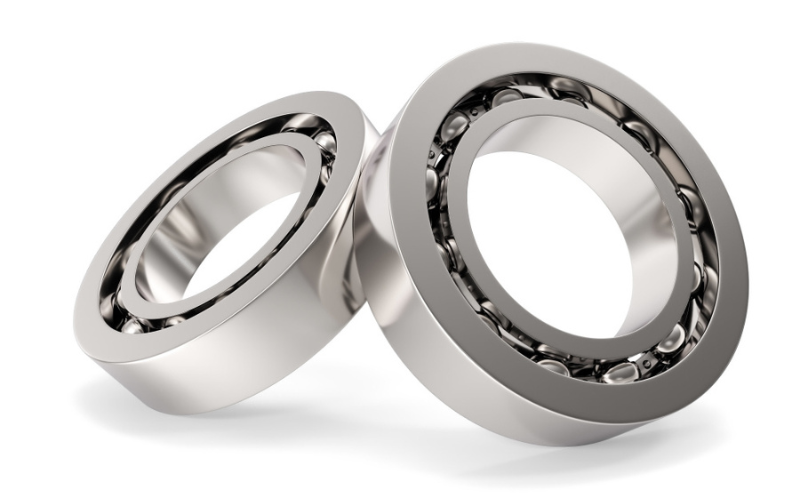
What are the causes of Car Bearing Malfunction?
Are you hearing a strange humming or grinding noise from your wheels? It might be a car bearing issue. Car bearings are crucial for a smooth and safe ride. They allow your wheels to rotate freely. Ignoring problems can lead to bigger issues. This blog post explains the causes of car bearing failure. We will also discuss ways to prevent them. If you suspect a car bearing problem, this guide is for you.
What Are Car Bearings and Why Are They Important?
Car bearings are essential parts. They sit inside the wheel hubs and help the wheels turn smoothly. Without them, the wheels would face too much friction. This friction can cause overheating and even wheel lockup. A properly functioning car bearing ensures:
- Smooth and quiet ride.
- Accurate steering.
- Optimal fuel efficiency.
- Safe braking performance.
Main Causes of Car Bearing Malfunction
Several factors contribute to car bearing problems. Knowing these causes can help you take preventive measures.
1.Lack of Lubrication
- The Problem: Car bearings need grease to function correctly. Grease reduces friction and dissipates heat. Over time, grease can dry out, leak, or become contaminated which leads to increased friction and wear.
- The Result: Overheating, noise, and eventual failure.
- Prevention: Regularly inspect your car bearings. Have them repacked with grease as part of routine maintenance. Follow your vehicle manufacturer’s recommendations.
2.Contamination
- The Problem: Dirt, water, and other particles can enter the car bearing. Contamination damages the internal components.
- The Result: Premature wear, corrosion, and eventual failure.
- Prevention: Use high-quality seals. Make sure they are installed correctly. Avoid driving through deep water or mud if possible.
3.Impact Damage
- The Problem: Hitting potholes, curbs, or other road hazards can damage car bearings. The impact forces can cause cracks, dents, or misalignment.
- The Result: Noise, vibration, and eventual failure.
- Prevention: Drive carefully. Avoid road hazards when possible. If you hit something hard, have your car bearings inspected.
4.Improper Installation
- The Problem: Incorrect installation can cause significant damage. This includes using the wrong tools. It also involves applying excessive force.
- The Result: Premature wear, misalignment, and eventual failure.
- Prevention: Have car bearings installed by a qualified mechanic. Ensure they use the correct tools and procedures.
5.General Wear and Tear
- The Problem: Like any mechanical part, car bearings wear out over time. Normal use causes gradual wear on the internal components.
- The Result: Increased noise, looseness, and eventual failure.
- Prevention: Regular inspections can help detect wear early. Replace car bearings as needed. Follow the manufacturer’s recommendations.
6.Overloading
- The Problem: Exceeding your vehicle’s weight capacity puts extra stress on the car bearings.
- The Result: Premature wear and failure.
- Prevention: Avoid overloading your vehicle. Distribute weight evenly when carrying cargo.
7.Corrosion
- The Problem: Exposure to moisture and road salt can cause rust. Rust weakens the car bearing components.
- The Result: Increased friction, noise, and eventual failure.
- Prevention: Regularly wash your vehicle. Especially during winter. Apply rust protection to undercarriage components.
8.Poor Quality Bearings
- The Problem: Using low-quality or counterfeit bearings. These bearings are often made with inferior materials and manufacturing processes.
- The Result: Premature failure and potential safety hazards.
- Prevention: Purchase car bearings from reputable suppliers. Like Bearingworld.com.sa. Ensure they meet or exceed OEM specifications.
9.Misalignment
- The Problem: Wheel misalignment puts uneven stress on car bearings.
- The Result: Accelerated wear and potential failure.
- Prevention: Get regular wheel alignments. This ensures even load distribution on the car bearings.
10.Brake Issues
- The Problem: Dragging brakes can generate excessive heat. This heat can damage the car bearings.
- The Result: Premature wear and failure.
- Prevention: Regularly inspect your brakes. Fix any issues promptly.
Recognizing the Signs of a Failing Car Bearing
Catching a problem early can save you time and money. Be alert for these signs:
- Unusual Noises: Grinding, humming, or roaring sounds coming from the wheels. The noise often gets louder as speed increases.
- Vibration: Feeling vibrations in the steering wheel or floorboard.
- Looseness: Excessive play in the wheel when you try to move it by hand.
- Uneven Tire Wear: Unusual wear patterns on your tires.
- ABS Light: The ABS (Anti-lock Braking System) light might illuminate. This happens if the car bearing has an integrated ABS sensor.
Proactive Maintenance for Car Bearings
Preventative maintenance is key to extending the life of your car bearings:
- Regular Inspections: Have your car bearings inspected by a mechanic during routine maintenance.
- Proper Lubrication: Ensure car bearings are properly lubricated.
- Wheel Alignment: Maintain proper wheel alignment to prevent uneven wear.
- Careful Driving: Avoid potholes and other road hazards.
- Quality Parts: Use high-quality replacement car bearings.
When to Replace Your Car Bearings
There is no set timeline for replacing car bearings. Replacement depends on driving conditions and maintenance habits. If you notice any signs of failure, have them inspected immediately and replace them as needed because replacing them prevent further damage and ensure safety.
Finding the Right Car Bearings
Choosing the right car bearings is crucial. Consider these factors:
- Vehicle Specifications: Select car bearings that are designed for your specific make and model.
- Quality: Opt for high-quality car bearings from reputable manufacturers. Visit Bearingworld.com.sa for reliable options.
- Warranty: Look for car bearings with a good warranty.
- Professional Advice: Consult with a mechanic or car bearing specialist for guidance.
When to look for a bearing supplier?
Are you experiencing car bearing issues? Don’t wait until it’s too late. Contact Bearing World today for high-quality replacement car bearings. Ensure a smooth and safe ride by first scheduling a professional inspection. We can address any potential car bearing problems and may help you in ensuring safety of your vehicle assembly.
Q: How long do car bearings typically last?
A: Car bearing lifespan varies. It depends on driving conditions and maintenance. They often last between 75,000 and 150,000 miles.Q: Can I replace a car bearing myself?
A: It is possible. It requires specialized tools and knowledge. Hence, it is best left to a qualified mechanic.Q: How much does it cost to replace a car bearing?
A: Cost varies depending on the vehicle make and model. It also depends on labor rates. Expect to pay between 750.15 Riyal to 3000.59 Riyal per car bearing.Q: What happens if I don’t replace a bad car bearing?
A: Ignoring a bad car bearing can lead to wheel lockup. This can cause an accident and may also damage other suspension components.Q: Can a bad car bearing affect my gas mileage?
A: Yes, a failing car bearing can increase friction. This makes your engine work harder as it reduces fuel efficiency.Q: Are front and rear car bearings the same?
A: No, front and rear car bearings are often different. They are designed for specific axle loads and configurations.Q: How can I tell which car bearing is bad?
A: The easiest way is to have a mechanic inspect your vehicle. They use diagnostic tools which can pinpoint the source of the noise or vibration precisely.Q: Does replacing a car bearing require a wheel alignment?
A: Yes, it is recommended to get a wheel alignment. This ensures proper suspension geometry and prevents uneven tire wear.Q: What is the difference between a ball car bearing and a roller car bearing?
A: Ball car bearings use balls to reduce friction. Roller car bearings use rollers. Roller car bearings can handle heavier loads.Q: Where can I buy quality car bearings?
A: You can buy quality car bearings from reputable suppliers. Visit Bearingworld.com.sa for a wide selection of reliable options. -
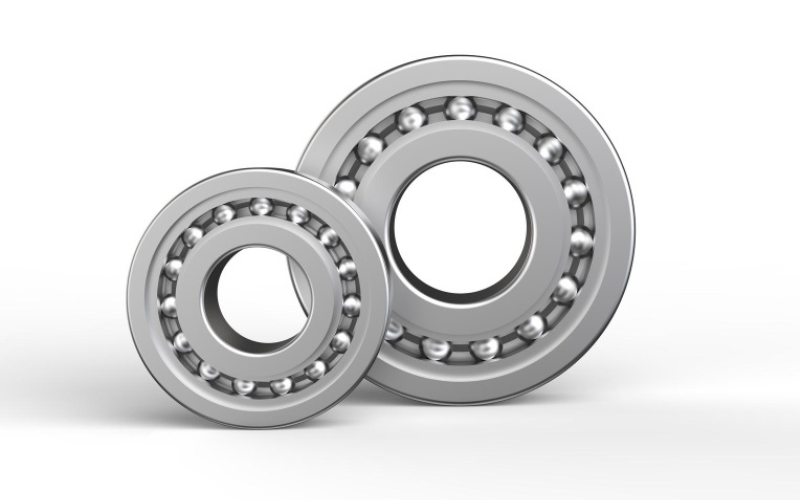
Roller Ball Bearing Versus Angular Contact Bearing: Which is the Best?
Are you choosing a bearing for your next project? Do you need it to handle heavy loads or operate at high speeds? Maybe you are unsure which type suits your needs best. This article breaks down roller ball bearings and angular contact bearings. We will help you decide which is the right fit.
We cover the differences, advantages, and disadvantages of each. We will also help you make an informed decision for optimal performance.
Understanding Roller Ball Bearings
Roller ball bearings are common in many applications. They are known for their versatility and efficiency.
What is a Roller Ball Bearing?
A roller ball bearing uses balls between the inner and outer rings. These balls reduce friction and allow smooth rotation. This design makes them efficient for radial loads which are usually the forces applied perpendicular to the shaft.
Advantages of Roller Ball Bearings
- Low Friction: Balls minimize contact area and reduces friction. The result is smoother operation and less heat generation.
- High Speed: Roller ball bearings handle higher speeds. They generate less heat than other bearing types.
- Versatility: These bearings work in many applications. They are used in motors, pumps, and gearboxes.
- Cost-Effective: Roller ball bearings are often affordable and makes a good choice for general use.
Disadvantages of Roller Ball Bearings
- Lower Load Capacity: Compared to other bearings, they handle less load. They are not ideal for heavy-duty applications.
- Susceptible to Misalignment: They are sensitive to misalignment as it can cause premature wear and failure.
Exploring Angular Contact Bearings
Angular contact bearings are designed for specific performance needs. They excel in applications that require handling combined loads.
What is an Angular Contact Bearing?
Angular contact bearings have raceways which are angled to support both radial and axial loads. Axial loads are forces parallel to the shaft. This design makes them suitable for applications which involve thrust loads and high speeds.
Advantages of Angular Contact Bearings
- High Load Capacity: They can handle significant axial loads and are ideal for applications with thrust forces.
- Combined Load Handling: Angular contact bearings manage both radial and axial loads well.
- High Speed Capability: They are designed to perform at high speeds. Some designs allow for even greater speeds.
- Precision: These bearings offer high precision and are suitable for applications requiring accuracy.
Disadvantages of Angular Contact Bearings
- Higher Cost: Angular contact bearings are usually more expensive due to their complex design.
- Require Preload: They often need preload which is an axial force applied during installation. This force ensures proper operation.
- More Complex Installation: Installation can be more complex as it requires careful adjustment to achieve optimal performance.
Key Differences: Roller Ball Bearing vs. Angular Contact Bearing
Here is a table to highlight the key distinctions:
Feature Roller Ball Bearing Angular Contact Bearing Load Capacity Lower Higher Load Type Primarily Radial Radial and Axial Speed Capability High High, Specialized Designs Higher Cost Lower Higher Complexity Simpler More Complex Preload Requirement No Yes, Often Misalignment Sensitivity High Lower Application Examples
Roller Ball Bearings:
- Electric Motors: General purpose motors often use ball bearings. They provide efficient and smooth operation.
- Pumps: Small to medium-sized pumps benefit from the versatility and low friction of these bearings.
- Conveyor Systems: They support rollers in light to medium-duty conveyor systems.
Angular Contact Bearings:
- Machine Tool Spindles: High-speed spindles in CNC machines use angular contact bearings as they offer precision and rigidity.
- Gearboxes: Transmissions and gearboxes need to handle combined loads which the angular contact bearings provide effortlessly.
- Automotive Wheel Bearings: Some vehicle wheel bearings use angular contact designs. They manage both radial and thrust loads from cornering.
Real-World Example:
Consider a packaging company looking to upgrade its conveyor system. One of the top supply chain trends is lowering packaging costs. This improvement can also impact bearing choices. If the conveyor handles light loads, roller ball bearings are adequate and cost-effective. However, if the conveyor system deals with heavy or uneven loads, angular contact bearings are a better choice. They offer superior load handling and durability. This selection optimizes the system’s performance and minimizes downtime.
How to Choose the Right Bearing
Selecting the right bearing requires careful consideration. Consider these factors:
- Load Requirements: Determine the magnitude and direction of the loads. Are they primarily radial, axial, or a combination?
- Speed Requirements: Identify the operating speed of the application. Choose a bearing that can handle the speed without overheating.
- Operating Environment: Consider temperature, contamination, and lubrication requirements. Select a bearing that withstands these conditions.
- Precision Requirements: If the application demands high precision, opt for an angular contact bearing as it offers better accuracy.
- Budget: Balance performance needs with cost constraints. Roller ball bearings are economical. Angular contact bearings offer superior performance at a higher price.
Maximizing Bearing Life and Performance
Proper maintenance ensures long-lasting performance:
- Lubrication: Use the correct lubricant. Follow the manufacturer’s recommendations for lubrication intervals.
- Installation: Install bearings correctly. Avoid misalignment and excessive preload.
- Inspection: Regularly inspect bearings for wear, damage, and contamination. Replace as needed.
- Sealing: Use appropriate seals to protect bearings from contaminants.
Conclusion
Choosing between roller ball bearings and angular contact bearings is about matching the bearing to the application. Roller ball bearings are versatile and cost-effective for primarily radial loads and high speeds. Angular contact bearings excel in handling combined loads. They are great when precision is important. Understand the application requirements. Then you can make the best choice. Your choice will ensure optimal performance and longevity.
Need assistance selecting the right bearing for your specific needs? Contact Bearing World in Saudi Arabia today. Our experts can help you find the perfect solution. Improve your machinery’s performance and reliability.
Q: What is the main difference between roller ball bearings and angular contact bearings?
A: Roller ball bearings are designed for primarily radial loads. Angular contact bearings handle both radial and axial loads.Q: When should I use an angular contact bearing?
A: Use angular contact bearings when the application involves significant thrust loads. They are also good when precision and high-speed performance are needed.Q: Are angular contact bearings more expensive than roller ball bearings?
A: Yes, angular contact bearings are generally more expensive due to their complex design and higher load capacity.Q: Can roller ball bearings handle axial loads?
A: Roller ball bearings can handle some axial loads. However, they are not designed for heavy axial loads. Angular contact bearings are better suited for this.Q: Do angular contact bearings require preload?
A: Yes, angular contact bearings often require preload. Preload ensures proper operation and prevents slippage under load.Q: What are some common applications for roller ball bearings?
A: Common applications include electric motors, pumps, conveyor systems, and general machinery.Q: How do I maintain roller ball bearings and angular contact bearings?
A: Proper maintenance includes regular lubrication, correct installation, and periodic inspection for wear and damage.Q: What happens if I choose the wrong type of bearing?
A: Choosing the wrong bearing can lead to premature failure. You may also see reduced performance, increased downtime, and higher maintenance costs.Q: Where can I buy high-quality roller ball bearings and angular contact bearings?
A: You can purchase high-quality bearings from reputable suppliers like Bearing World in Saudi Arabia.Q: How do I know what size bearing I need?
A: Determine the required bore size, outer diameter, and width based on the application’s specifications. Consult bearing catalogs or engineering experts for assistance. -
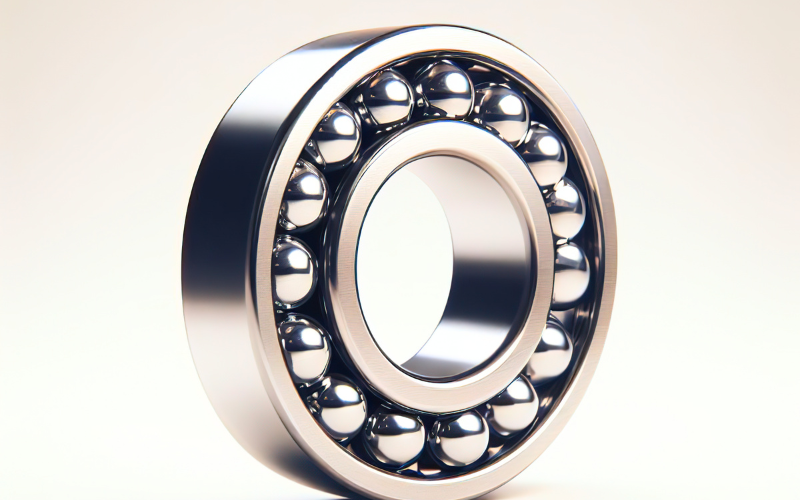
Roller Ball Bearing: What Are They Used For?
Ever wondered how heavy machines move so smoothly? Roller ball bearings might be the answer! They are small parts with a big job. This article will explain what roller ball bearings are and what they do. We will look at their uses in Saudi Arabia and around the world.
What is a Roller Ball Bearing?
A roller ball bearing is a type of bearing. Bearings are parts that let things move easily. Roller ball bearings use balls to reduce friction. Friction is what makes things slow down when they rub together. The balls roll between two rings. This rolling action makes movement easier.
How Do Roller Ball Bearings Work?
Imagine pushing a heavy box. It’s hard because of friction. Now, put round balls under the box. It becomes much easier to push. Roller ball bearings do the same thing. The balls inside the bearing roll, making it easier for parts to rotate or move.
Why Are Roller Ball Bearings Important?
Roller ball bearing are crucial for many reasons:
- Reduce Friction: They minimize friction, making machines more efficient.
- Increase Speed: Machines can operate at higher speeds.
- Carry Loads: They can support heavy weights and forces.
- Improve Efficiency: Less energy is lost to friction.
- Extend Lifespan: They protect machine parts from wear and tear.
Types of Roller Ball Bearings
There are many types of roller ball bearing. Each type is made for specific uses. Here are some common types
- Deep Groove Ball Bearing: These are the most common. They handle radial and axial loads.
- Angular Contact Ball Bearing: These handle heavy axial loads. They are often used in pairs.
- Self-Aligning Ball Bearing: These can handle misalignment. They are good for machines that vibrate.
- Thrust Ball Bearing: These handle axial loads only. They are used in low-speed applications.
Where Are Roller Ball Bearings Used?
Roller ball bearing are used in many things. Here are some common examples:
- Cars: They are in wheels, engines, and transmissions.
- Bicycles: They are in wheels and pedals.
- Electric Motors: They support the rotating shaft.
- Pumps: They allow smooth rotation of pump parts.
- Hard Drives: They allow the platters to spin.
- Industrial Machinery: They are in conveyor belts and other equipment.
- Aerospace: Precision roller ball bearings are used in aircraft.
- Medical Equipment: They are in devices requiring smooth motion.
Roller Ball Bearings in the Saudi Arabia Region
The bearing industry in Saudi Arabia is growing. Here are some facts:
- Oil and Gas: The oil and gas industry use many roller ball bearing. They are in pumps, compressors, and drilling equipment.
- Manufacturing: Saudi Arabia is increasing its manufacturing sector. This increases the need for roller ball bearing
- Construction: The construction industry needs bearings for heavy machinery.
- Imports: Saudi Arabia imports many bearings. This shows the demand for these parts.
- Local Production: Some companies are starting to make bearings locally, supporting the economy.
- Saudi Vision 2030: This plan supports industrial growth. It will likely increase the use of roller ball bearing.
Example: The Saudi Arabian Oil Company (Saudi Aramco) uses countless roller ball bearing in its operations. They are vital for the efficient operation of their massive infrastructure
Fact: According to a report by “Mordor Intelligence,” the Saudi Arabian bearings market is projected to grow significantly in the coming years. This growth is driven by the increasing industrialization and infrastructure development in the region
Choosing the Right Roller Ball Bearing
Choosing the right bearing is important. Here are some things to consider:
- Load: How much weight will the bearing carry?
- Speed: How fast will the bearing rotate?
- Temperature: What is the operating temperature?
- Environment: Will the bearing be exposed to dirt or water?
- Size: What size bearing is needed?
- Type: Which type of bearing is best for the job?
Consult with a bearing expert if you are not sure.
Maintaining Roller Ball Bearings
Proper maintenance is essential. It will extend the life of your bearings. Here are some tips:
- Lubrication: Keep bearings lubricated with the right type of lubricant.
- Cleaning: Keep bearings clean. Remove dirt and debris.
- Inspection: Check bearings regularly for wear and tear.
- Replacement: Replace worn bearings promptly.
Advantages and Disadvantages
Advantages:
- Low friction.
- High-speed capability.
- Wide availability.
- Relatively low cost.
Disadvantages:
- Lower load capacity than roller bearings.
- Can be noisy at high speeds.
- Susceptible to damage from contamination.
Conclusion
Roller ball bearings are essential parts. They make machines move smoothly and efficiently. They are used in many industries. From cars to oil rigs, they play a vital role. Understanding how they work can help you choose the right one for your needs. If you require roller ball bearing for any application, make sure you research the proper type of bearing for your application.
Do you want to purchase roller ball bearings? Contact us today!
FAQs About Roller Ball Bearings
-
- What is the main purpose of a roller ball bearing?
It reduces friction and allows smooth movement between parts. - What are the main parts of a roller ball bearing?
The inner ring, outer ring, balls, and cage. - How often should roller ball bearings be lubricated?
It depends on the application. Refer to the manufacturer’s instructions. - What happens if a roller ball bearing fails?
It can cause machine failure, noise, and vibration. - Can roller ball bearings be repaired?
Generally, they are replaced rather than repaired. - What is the difference between a ball bearing and a roller er bearing?
Ball bearing use balls, while roller er bearing use roller ers to reduce friction. - Are roller ball bearing used in high-temperature applications?
Yes, but special high-temperature bearings are needed. - 8. How do I choose the right size roller ball bearing?
Consider the load, speed, and space requirements. - 9. Where can I buy roller ball bearing in Saudi Arabia?
They can be purchased from industrial supply stores and bearing distributors. - 10. What are some common causes of roller ball bearing failure?
Lack of lubrication, contamination, and overloading are common causes.
- What is the main purpose of a roller ball bearing?
-
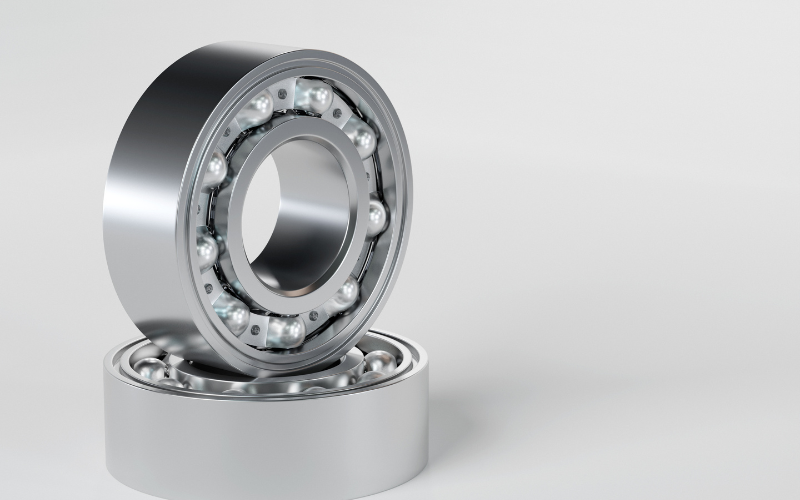
What are Bearings Made Up Of? Classifying Bearings by Function
Do you know what keeps machines running smoothly? It’s often a small part: the bearing. Bearings are vital. They reduce friction and allow motion. This post explains what bearings are made of. This blog will classify bearings by their application.
What are Bearings?
Bearings are mechanical parts. They reduce friction between moving parts. They allow smooth, efficient motion. They support loads and enable rotation. They are crucial in many machines.
What Materials Make Up a Bearing?
Bearings have several key parts. Each part needs specific materials. These materials offer strength and durability. Here’s a breakdown:
- Bearing Rings (Races): These are the inner and outer rings. They are usually made of high-carbon chrome steel. This steel is strong and resists wear. Saudi Arabia has a growing steel industry. This supports bearing production.
- Rolling Elements: These are the balls or rollers. They sit between the rings. They are also made of high-carbon chrome steel. Some use ceramic for high speeds. Zirconium dioxide is used in some specialty bearings.
- Cage (Retainer): This part separates the rolling elements. It prevents them from colliding. Cages are made from:
- Steel: Common for many bearings.
- Brass: Used for corrosion resistance.
- Nylon: Offers quiet operation.
- Seals and Shields: These protect the bearing from dirt. They also keep lubricant inside. Materials include:
- Rubber: Common and cost-effective.
- Metal: Used for high-temperature bearings.
Bearing material choices depend on the application. Factors include load, speed, and temperature.
Classifying Bearings by Function
Bearings come in many types. We can classify them by how they function. Here are some common types:
-
Ball Bearings
- How they work: They use balls to reduce friction.
- What they are good for: Handling radial and light thrust loads.
- Examples: Angular contact ball bearings & deep groove ball bearings.
- Applications: Used in pumps and electric motors. Common in Saudi Arabian industries.
-
Roller Bearings
- How they work: They use rollers instead of balls.
- What they are good for: Handling heavy radial loads. Some can handle thrust loads.
- Types:
- Cylindrical Roller Bearings: Known for carrying radial loads.
- Tapered Roller Bearings: Used in the automotive sector, handling radial & thrust loads.
- Spherical Roller Bearings: Carry heavier loads & handle misalignment.
- Applications: Gearboxes, heavy machinery. These are critical for Saudi Arabia’s oil and gas industry.
-
Thrust Bearings
- How they work: They support axial loads (thrust).
- What they are applicable: Some applications have load parallel to the shaft which requires thrust bearings.
- Types: Roller thrust bearings & ball thrust bearings.
- Applications: Crane hooks and gearboxes.
-
Plain Bearings (Sleeve Bearings)
- How they work: They use a sliding surface.
- What they are good for: Low-speed, high-load applications.
- Materials: Composite materials, plastic, and bronze.
- Applications: Pivots and hinges.
-
Magnetic Bearings
- How they work: They use magnetic levitation.
- What they are good for: High-speed and low-friction applications.
- Applications: High-speed trains and turbomachinery.
Choosing the Right Bearing
- Load: How much weight will the bearing support?
- Speed: How fast will the bearing rotate?
- Temperature: What is the operating temperature?
- Environment: Will the bearing be exposed to contaminants?
- Misalignment: Can the bearing tolerate misalignment?
Working with a bearing supplier like Bearing World is helpful. They can offer advice based on your needs. Several bearing distributors operate in Saudi Arabia. They provide support to local industries and Bearing World is a renowned name among them.
The Importance of Lubrication
Lubrication is key for bearing life. It reduces friction and wear. Use the correct lubricant for your bearing type. Grease and oil are common lubricants. Regular maintenance extends bearing life.
Examples in Saudi Arabian Industry
- Oil and Gas: Heavy machinery uses roller bearings. These bearings handle demanding loads.
- Manufacturing: Ball bearings are common in electric motors and pumps.
- Construction: Equipment like cranes use thrust bearings. These support heavy axial loads.
- Automotive: Tapered roller bearings are used in vehicle wheel bearings. Saudi Arabia has a growing automotive sector. This increases the demand for bearings.
The Future of Bearings
Bearing technology continues to improve. New materials and designs are emerging. These improvements boost efficiency and longevity. Smart bearings with sensors are also developing. These can monitor condition and predict failures. This is crucial for predictive maintenance.
Conclusion
Bearings are essential components. They enable motion in machines. Knowing what bearings are made of matters. Understanding their classifications is also important. This knowledge helps you choose the right bearing. It ensures efficient and reliable operation. Do you have any questions about bearings? Share your thoughts in the comments! Subscribe to our blog for more insights on bearing.
Q: What is the main function of a bearing? A: A bearing’s primary role is to reduce friction between moving parts, enabling smooth and efficient motion. Q: What are the most common types of bearings? A: Ball bearings and roller bearings are the most widely used types. Q: What material is usually used for bearing rings? A: High-carbon chrome steel is commonly used for its strength and wear resistance. Q: Why is lubrication important for bearings? A: Lubrication minimizes friction and wear, helping to extend the bearing’s lifespan and maintain performance. Q: What are thrust bearings used for? A: Thrust bearings are designed to support axial loads (forces parallel to the shaft). Q: How do I choose the right bearing? A: Consider key factors such as load type, speed, operating temperature, and environmental conditions. Q: What is the role of the cage in a bearing? A: The cage separates and guides the rolling elements, preventing contact and ensuring smooth rotation. Q: Are magnetic bearings suitable for high-speed applications? A: Yes, magnetic bearings are ideal for high-speed operations due to their contact-free design and minimal friction. Q: Where are tapered roller bearings commonly used? A: These bearings are typically found in automotive wheel hubs and similar applications requiring combined load support. Q: What is the difference between a ball bearing and a roller bearing? A: Ball bearings use spherical balls, while roller bearings use cylindrical rollers. Roller bearings generally support heavier loads. -
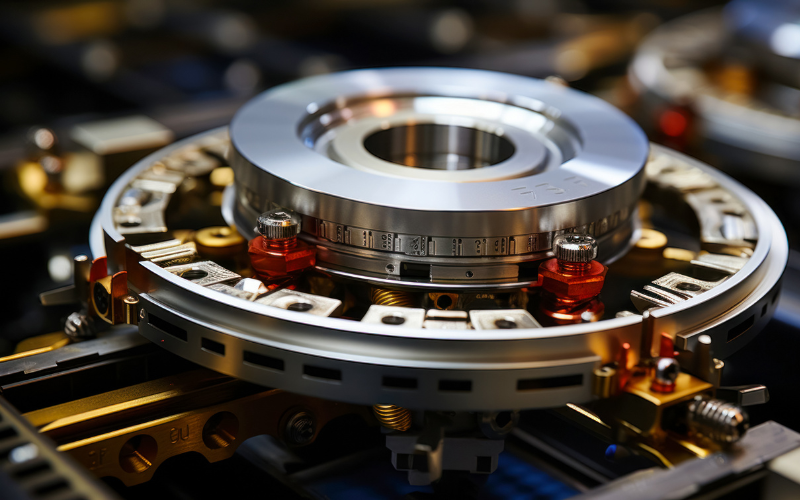
What are Car Bearings: Their Usage & Significance in Automotive Industry
Ever wonder how your car’s wheels spin so smoothly? The secret lies in small, but vital parts called car bearings. They’re found in many places in your vehicle. This post will explain what car bearings are, why they’re important, and how they’re used, especially in Saudi Arabia’s car industry. We’ll cover everything you need to know!
Car Bearing: An Overview
A car bearing is a part that lets your vehicle spin easily. It reduces friction between moving parts. Think of tiny metal balls or rollers inside a ring. These allow wheels and other components to turn smoothly.
Types of Car Bearings
Several types of car bearings exist. Here are some common ones:
- Ball Bearings: Good for supporting radial loads. These are common.
- Roller Bearings: Better for heavy loads. They use rollers instead of balls.
- Tapered Roller Bearings: Handle both radial and thrust loads. Found in wheel hubs.
- Thrust Bearings: Designed for axial loads (loads along the shaft).
Where are Car Bearings Used?
Car bearings are used in many parts of a car.
- Wheel Hubs: Allow the wheels to spin freely.
- Engine: Support the crankshaft and camshaft.
- Transmission: Enable gears to turn.
- Steering System: Help with smooth steering.
- Differentials: Allow wheels to spin at different speeds.
- Air Conditioning Compressors: Assist in smoother operations.
Why are Car Bearings Important?
Car bearings are crucial for several reasons:
- Reduced Friction: This improves fuel efficiency.
- Smooth Operation: This leads to a comfortable ride.
- Support Loads: Bearings support the weight of the vehicle.
- Reliability: They keep the car running smoothly.
- Safety: Worn bearings can cause accidents.
Car Bearings in Saudi Arabia: A Growing Market
Saudi Arabia has witnessed decent growth in the automotive industry. It hints a huge potential for aftermarket parts and rigorous usage of bearing, especially in relation to car manufacturing sector.
- Increase Car Purchases: More and more people are investing money in cars in the Saudi Arabia. This increases the need for car bearings.
- Local Manufacturing: Some companies are starting to manufacture car parts locally. This includes car bearings.
- Hot Climate: The hot weather in Saudi Arabia puts extra stress on car bearings. It is responsible for faster wear and tear of bearings and naturally indicates an increase in demand.
Example: 15% increase in the replacement of cars occurred during the hot summer months in Riyadh.
- Saudi Vision 2030: Saudi Kingdom has planned to diversify economy which is accompanied with the investment in auto manufacturing as well.
- Car Bearings Import: Countries like China, Germany, and Japan export a good amount of car bearings to Saudi Arabia.
Common Car Bearing Problems
Wear & Tear: Over time bearings face decent wear & tear.
- Lubrication Issues: Now or less oiling or greasing protects bearing to perform at full capacity.
- Contamination: Damaged bearings are usually a result of dirt and debris.
- Overloading: Each bearing can hold a specific weight beyond which it may fail to work properly.
- Corrosion: Rust can cause bearings to fail.
- Impact Damage: Road hazards can damage bearings.
How to Tell if a Car Bearing is Bad
Listen for these signs:
- Grinding Noises: A common sign of a bad bearing.
- Unusual Clicking: As you turn on the machinery or engine.
- Wobbly Wheels: Either a loose or damaged bearing causes wobbly wheels.
- Uneven Tire Wear: Bad bearing is responsible for this condition.
- ABS Light On: Sometimes related to wheel bearing issues.
Replacing Car Bearings
Replacing car bearings is best left to professionals. It involves:
- Removing the wheel and brake components.
- Pressing out the old bearing.
- Pressing in the new bearing.
- Reassembling everything.
- Testing the wheel for smooth rotation.
Choosing the Right Car Bearing
- Consider the Vehicle Type: Different cars need different bearings.
- Check the Load Capacity: Choose a bearing that can handle the load.
- Look for Quality: Buy from a reputable brand.
- Follow the Manufacturer’s Recommendations: Use the correct type of bearing.
Tips for Maintaining Car Bearings
- Regular Lubrication: Proper greasing is a must for a car to work properly.
- Refrain from Overloading: Do not overload your vehicle.
- Regular Inspection: Vehicles tend to undergo a lot of wear and tear without your knowledge. Keep inspecting and be aware.
- Timely Replacement: Be proactive in assuring bearings are timely replaced.
Conclusion
Car bearings are small but mighty as these ensure your vehicle is in the best condition to move. are critical for the smooth and safe operation of your car. As Saudi Arabia has a growing automotive market, it is crucial for manufacturing plants to ensure proper upkeep of bearing used. Always consult your service engineer and approach the right dealer for stocking bearing that works.
Call to Action
Have you ever had to replace a car bearing? Share your experience in the comments below! Subscribe to our blog for more tips on car and bearing maintenance.
Frequently Asked Questions (FAQs)
- How long does a car bearing last? A car bearing may support you from 75,000 to 100,000 miles. However, heat and sandy roads in warm countries like Saudi Arabia can shorten this lifespan.
- Can I replace a car bearing myself? No. Always seek professional help.
- What is the cost of replacing a car bearing? The type of car and bearing decides this. Expect to pay between 500-1500 SAR per wheel.
- What happens if a car bearing fails? Accident, as the wheel may get locked up.
- Which grease should be used on car bearings? High-temperature wheel bearing grease should be used.
- Do I need to lubricate my car bearings? The owner’s manual has this mentioned for each vehicle. Usually every 30,000 miles.
- Can I drive with a bad car bearing? It’s not recommended. It’s unsafe.
- Are front and rear wheel bearings the same? Not always. Check your car’s specifications.
- Does tire size affect car bearings? Bigger tires often put more stress on bearings.
- Where can I buy car bearings in Saudi Arabia? You can buy them from us. Visit us at www.bearingworld.com.sa
-
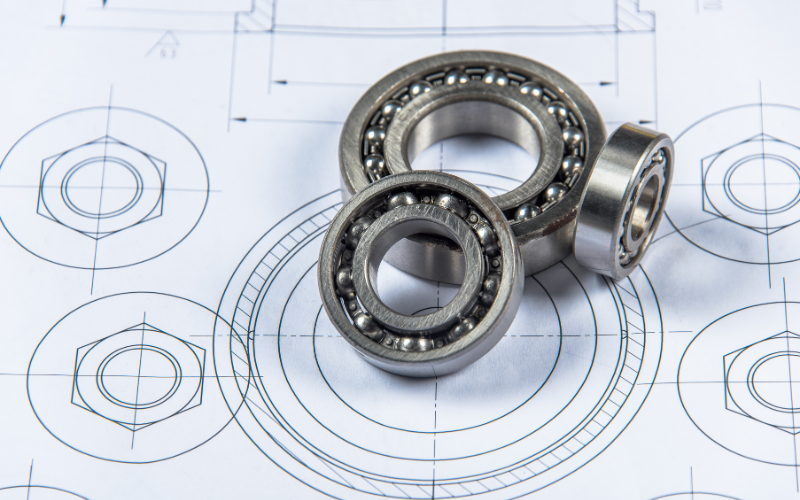
What Makes Ball Bearing the Most Popular Aftermarket Product?
Where Are Ball Bearings Used?
Ball bearings are used in many things.
- Cars: Wheel bearings let wheels turn swiftly. Transmissions use them to change gears. Engines use them for pumps and other parts. Steering systems need them too.
- Bikes: Wheels use them for smooth rides. Pedals and headsets use them. Bottom brackets need them for turning the pedals.
- Machines: Electric motors need them to run well. Pumps and conveyors also use them.
- Planes: Aircraft engines use them for high speed. Landing gear needs them to work right. Control surfaces move with their help.
- Medical Tools: Scanners use them to turn. Surgical tools need them for control. Dental drills use them for speed.
Different Types of Ball Bearings
Not all ball bearings are the same. Some are made for certain jobs.
- Deep Groove: These are common. They work for many things. They handle weight from the side well.
- Angular Contact: These handle weight from the side and front. Pumps and gearboxes use them.
- Thrust: These handle weight from the front only. Cranes and turntables use them.
- Self-Aligning: These work even if things are not lined up. This is good if parts move.
How to Pick the Right Ball Bearing
Picking the right ball bearing is important. Consider these things:
- Load Capacity: How much weight can a bearing hold? Pick one that can handle the weight.
- Speed Rating: How fast will it spin? Pick one that can spin fast enough.
- Temperature: How can friction impact its temperature? Pick one that can handle the heat.
- Size: Will it fit? Make sure the size is right.
- Material: What is it made of? Steel is common. Ceramic is strong. Stainless steel is good for water.
Why Replace Ball Bearings?
New ball bearings make things better.
- Better Performance: Things move smoother and faster.
- Less Downtime: You can stop problems before they start.
- More Efficiency: You save energy and money.
- Longer Life: Other parts last longer.
- More Safety: Things work the way they should. This stops accidents.
Where to Buy Ball Bearings
Buy good ball bearings from:
- Dealers: Buy from brands you trust.
- Online: Read reviews before you buy.
- Shops: Get help from experts.
How to Keep Ball Bearings Working
Grease: Use the right grease. Use it often.
- Seals: Keep dirt and water out.
- Check: Look for problems early. Check for noise. Evaluate shaking.
- Clean: Clean them often.
Ball Bearings: The Unsung Hero
Ball bearings are small but important. They help many things work. They wear out, so they are replaced often. Now you know why ball bearings are the most popular aftermarket product. They keep the world moving.
Share Your Tips!
Do you have any tips about ball bearings? Let’s discuss how we can make Bearing World a better place to purchase bearings of all classes and industries.
Keep visiting our blog for more updates and information on bearing.
Frequently Asked Questions About Ball Bearings
- How to define a ball bearing? It’s a part that lets things turn smoothly by using rolling balls.
- Why are ball bearings so popular? They are used in many things and wear out, so people buy replacements.
- Where are ball bearings used? Cars, bikes, machines, and medical tools all use them.
- How do ball bearings work? Balls roll between rings to reduce friction, making movement easier.
- What is a ball bearing cage? It keeps the balls apart inside the bearing.
- Describe the major types of ball bearings? Angular contact ball bearing, deep groove ball bearing and thrust ball bearing are the most popular types of bearings across manufacturing industries.
- What does “load capacity” mean? It’s the amount of weight a bearing can handle.
- Why is speed rating important? It tells you how fast a bearing can spin safely.
- Which material is used to make ball bearings? Bearings are generally made up of ceramic, steel and stainless steel are common.
- Is it important to replace worn ball bearings? New bearings improve performance and save energy.
- Whom should I approach for purchasing ball bearings? You can purchase ball bearings from us at www.bearingworld.com.sa
- How can we enhance the longevity of ball bearings? Grease them often and keep them clean.
- Which grease is used for ball bearing? Bearing maker provides a manual for each bearing or they may also provide you with the grease which should be used for the type of bearing purchased by you.
- How to identify a bad ball bearing? As the bearing is in running mode, look for unwanted noise and shaking.
- Why should one use steel bearings? Even with moisture, steel bearings can resist corrosion and rust.
-
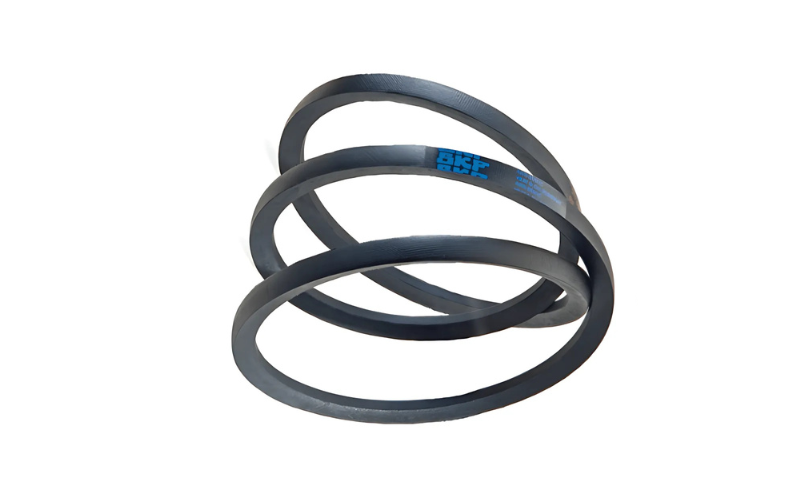
Industrial Drive Belts: 7 Ways to Boost Manufacturing Efficiency in Desert Conditions
Imagine your entire manufacturing line grinding to a halt under the scorching desert sun, simply because a critical drive belt failed. It’s a scenario that’s far too common, and one that can cost businesses significant time and resources. This blog post aims to highlight the critical role of industrial belts in ensuring smooth and efficient operations, specifically within the demanding environment of the desert. We will explore seven essential strategies to optimize their performance, minimize downtime, and maximize your productivity in these challenging conditions.
Understanding the Challenge: Desert Conditions and Industrial Belts
The desert presents a unique set of challenges for industrial machinery and, particularly, for industrial belts. Extreme heat, sand, dust, and humidity variations can drastically reduce the lifespan and efficiency of these vital components. Without proper planning and maintenance, belt failure is inevitable, leading to costly repairs and production delays.
Key Challenges:
- Extreme Temperatures: The intense heat can cause belts to stretch, crack, and lose their elasticity, affecting grip and tension.
- Sand and Dust Infiltration: Abrasive sand and dust can get into the belt’s structure, accelerating wear and tear.
- Humidity Fluctuations: The sudden shifts from dry to humid can cause industrial belts to swell or shrink, disrupting their performance.
- Lack of Proper Lubrication: Improper lubrication can lead to friction and overheating, further shortening the belt’s life.
- Inadequate Maintenance: Neglecting regular inspections and maintenance can result in small issues escalating into major problems.
7 Ways to Optimize Industrial Belts for Desert Environments
Here are seven crucial strategies to help your industrial belts thrive in the desert and ensure your manufacturing operations run smoothly:
1. Choose the Right Belt Material:
- Consider Temperature Resistance: Not all industrial belts are created equal. Opt for materials known for their heat resistance and ability to withstand harsh conditions. Consider:
- Neoprene: Good resistance to heat, oil, and chemicals; suitable for moderately demanding environments.
- Polyurethane: Offers excellent resistance to abrasion, cuts, and extreme temperatures.
- EPDM (Ethylene Propylene Diene Monomer): Provides superior resistance to weathering, ozone, and high temperatures.
- Matching the Belt to the Application: Ensure the belt is specifically designed for the intended load, speed, and environmental conditions.
- Expert Consultation: Consult with belt specialists to determine the most suitable material for your specific needs. Bearing World has experienced staff who can help you make informed choices.
2. Implement Regular Belt Inspection and Maintenance:
- Visual Inspections: Conduct routine visual checks for signs of wear, cracks, fraying, and slippage.
- Tension Checks: Ensure industrial belts are properly tensioned according to manufacturer specifications. Over-tensioning can lead to premature wear, while under-tensioning can cause slippage.
- Cleaning Regimen: Develop a schedule for cleaning belts to remove accumulated sand, dust, and debris. Use appropriate cleaning solutions to avoid damaging the belt material.
- Scheduled Replacements: Replace belts on a schedule rather than waiting for failure. This proactive approach minimizes unexpected downtime.
3. Implement Proper Belt Tensioning Techniques:
- Use a Tension Gauge: Avoid relying on guesswork. Utilize a tension gauge to ensure accurate and consistent tensioning.
- Follow Manufacturer Guidelines: Adhere to the manufacturer’s recommended tension values for optimal performance and longevity.
- Re-tension After Break-in: New industrial belts can stretch during their initial operation. Re-tension them after a period of use to maintain the required tension.
4. Prioritize Proper Storage and Handling:
- Temperature-Controlled Storage: Store spare belts in a cool, dry place away from direct sunlight to prevent material degradation.
- Avoid Folding or Kinking: Store belts on shelves or hang them to avoid bending or kinking, which can weaken the structure.
- Handle with Care: Avoid dropping or rough-handling belts during installation or replacement to prevent damage.
5. Employ Proper Lubrication Practices:
- Select the Right Lubricant: Use a high-quality lubricant compatible with the belt material and suitable for desert conditions.
- Apply Regularly: Follow a regular lubrication schedule to reduce friction and heat build-up.
- Avoid Over-lubrication: Too much lubricant can attract more dust and debris, counteracting its intended benefits.
6. Optimize Drive System Design:
- Shielded Systems: If possible, design or modify drive systems to include shielding that protects belts from direct exposure to sand, dust, and extreme heat.
- Proper Alignment: Ensure all pulleys and components in the drive system are properly aligned to prevent uneven wear and slippage on the belt.
- Adequate Ventilation: Design for good ventilation in the machinery housing to reduce heat build-up around the industrial belts.
7. Partner with a Reliable Supplier:
- Quality Products: Source your industrial belts from reputable suppliers known for providing high-quality products specifically designed for harsh conditions.
- Technical Support: Partner with suppliers who offer technical support and expertise, assisting you in choosing the right belts and implementing effective maintenance practices.
- Custom Solutions: Seek out suppliers that offer customized belt solutions tailored to your specific applications and operating conditions. Bearing World specializes in providing customized solutions for all your bearing and industrial belt needs.
Point to consider:
Don’t let belt failures cripple your manufacturing operations in the harsh desert climate. By implementing these seven strategies, you can significantly enhance the performance and longevity of your industrial belts, leading to increased efficiency and reduced downtime. Partner with Bearing World today for high-quality industrial belts, expert advice, and customized solutions. Contact us for a consultation and discover how we can help you optimize your industrial processes.
-
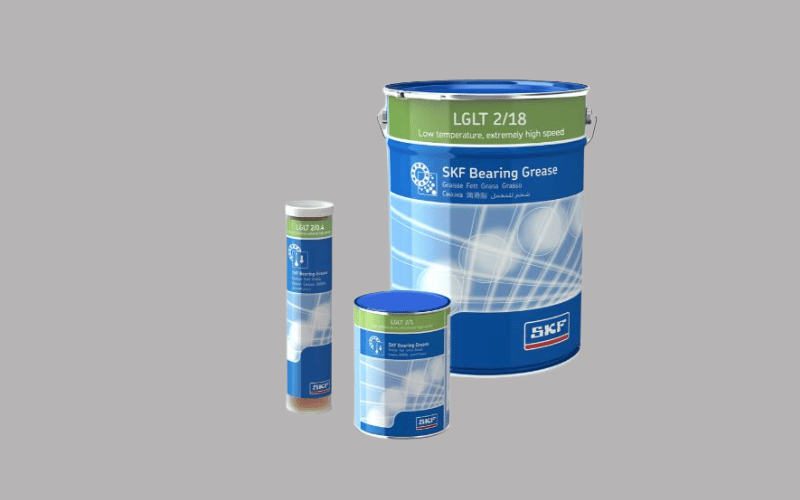
Grease Lubricant Solutions: 5 Ways to Prevent Equipment Failure in Heavy Industry
Colossal machinery performs demanding tasks day in and day out in heavy industry, the significance of seemingly small details cannot be overstated. Among these crucial elements, grease lubricant plays a pivotal role – often the unsung hero in preventing catastrophic equipment failures. Think of it as the lifeblood of machinery, reducing friction, dissipating heat, and protecting vital components from wear and tear. Without the right grease lubricant, even the most robust machinery is destined for premature breakdown, leading to costly downtime, reduced productivity, and potential safety hazards. In industries like mining, construction, manufacturing, and agriculture, where heavy loads and harsh conditions are the norm, the choice of grease lubricant is not just a matter of routine maintenance, but a strategic decision that directly impacts the bottom line. This is why understanding the power of proper lubrication and ensuring access to high-quality grease lubricant are vital for any operation. The right grease lubricant will maximize operational efficiency of the plant while the wrong one will bring the plant to a complete stop. This blog aims to explore how businesses in heavy industry can leverage grease lubricant to safeguard their equipment, avoid operational halts and the huge costs that come with it.
What Makes a Grease Lubricant Truly Effective?
The efficacy of a grease lubricant isn’t just about its viscosity or colour. Several factors determine its quality and suitability for demanding industrial applications. A superior grease lubricant will have excellent thermal stability, meaning it retains its properties across a wide range of operating temperatures. It will boast high oxidation resistance, preventing the grease from breaking down and losing its effectiveness over time. Furthermore, high-quality grease must provide robust protection against rust and corrosion, especially important in environments with exposure to moisture or chemicals. Moreover, the right consistency is crucial – it should be thick enough to stay in place and provide continuous lubrication while being fluid enough to easily reach the desired location. A good grease lubricant will also resist water washout, ensuring it doesn’t get displaced when exposed to water. This all boils down to the careful formulation and the quality of base oils and thickeners used to prepare the grease lubricant.
The Advantages of a Superior Grease Lubricant
The benefits of using a top-tier grease lubricant are manifold. It minimizes friction and wear, which extends the lifespan of machinery. This reduction in friction leads to lower energy consumption, improving efficiency of the plant and overall reducing the operational costs. Good grease lubricant also effectively dissipates heat, preventing overheating and subsequent component damage. Additionally, by preventing rust and corrosion, it ensures smooth performance even under harsh environmental conditions. In contrast, a poor-quality grease lubricant can quickly lead to increased friction, causing premature wear and breakdown. It might fail to adequately protect against corrosion, leading to expensive repairs and downtime. In severe cases, it may cause the machinery to fail altogether, resulting in operational interruptions, delayed schedules and substantial financial losses for the business. The right choice of lubricant ensures smooth operational flow of the business.
The Crucial Need for Quality Grease Lubricant
Given the clear advantages of quality grease lubricant and the pitfalls of subpar alternatives, it’s imperative for businesses in heavy industry to have reliable access to premium products. Consistent access to high quality products ensures that plant maintenance staff can perform their job effectively. It is important that businesses realize that lubricant is more of an investment rather than an expenditure. Quality grease lubricant is key to not only prolonging the life of machinery but also to preventing costly delays and ensuring high productivity. This means businesses must choose their lubricant suppliers wisely. They must partner with a supplier who understands the nuances of the industry and offers a range of grease lubricant options that meet the diverse requirements of heavy industry.
Bearing World: Enhancing Supply and Reducing Costs
Bearing World (www.bearingworld.com.sa) is keenly aware of the importance of grease lubricant in maintaining optimal performance in heavy industry. We’re committed to ensuring businesses across the region have access to the finest grease lubricant solutions, without the hefty price tag. We believe that high quality should not be exclusive to high price and so we are committed to keeping our prices affordable. Through strategic partnerships and a streamlined supply chain, Bearing World has increased its supply volumes for a variety of premium grease lubricant. This scale allows us to negotiate better prices with manufacturers, savings we pass on to our customers. We believe that a reliable supply chain is the backbone of a successful business and Bearing World aims to be a reliable partner.
What Sets the Bearing World Apart?
Bearing World’s goal is to become the best aftermath market supplier by providing not just quality products, but also value. We don’t just see ourselves as suppliers but also see ourselves as your partners who care about the success of your business. We offer a wide selection of grease lubricant, carefully chosen to meet the diverse requirements of heavy machinery. We also offer expert advice and consultation to ensure you are making the best lubricant choice for your specific applications. Furthermore, we understand that the reliability of a supplier is key, and we are committed to making sure that our supply chain is reliable and consistent. We are constantly seeking ways to enhance our services and offer our products, and we are your reliable partner in ensuring smooth operations. This also means that we are your best bearing supplier who you can rely on. Let’s discuss what we do?
Bearing World: Leading the Industry
We take pride in being a leader in the market and are striving hard to become the best bearing supplier in the region. We are determined to continuously provide our clients with the best solutions available in the market. Our goal is to ensure that businesses have peace of mind and can continue running their operation smoothly without interruptions. This makes us the best bearing supplier who you can rely on for all your operational needs. We are the best bearing supplier for all your needs as well as the most reliable ones.
Conclusion
Grease lubricant is not an afterthought but a fundamental element in ensuring operational success and preventing equipment failures. By investing in high-quality grease lubricant, businesses can significantly reduce downtime, lower maintenance costs, and extend the lifespan of their machinery. Bearing World (www.bearingworld.com.sa) is your committed partner in this endeavour. We provide high-quality grease lubricant at affordable prices through an efficient supply chain. Don’t let faulty lubrication put your operations at risk. Contact Bearing World today and ensure your machinery receives the optimal protection it deserves. Let us be your best bearing supplier and together we can ensure your business’s smooth flow and success. Contact us today and let’s build your business better.